#geese
#geese
[ follow ]
#getting-killed #indie-rock #cameron-winter #music-festivals #north-american-tour #justin-bieber #coachella






fromwww.npr.org
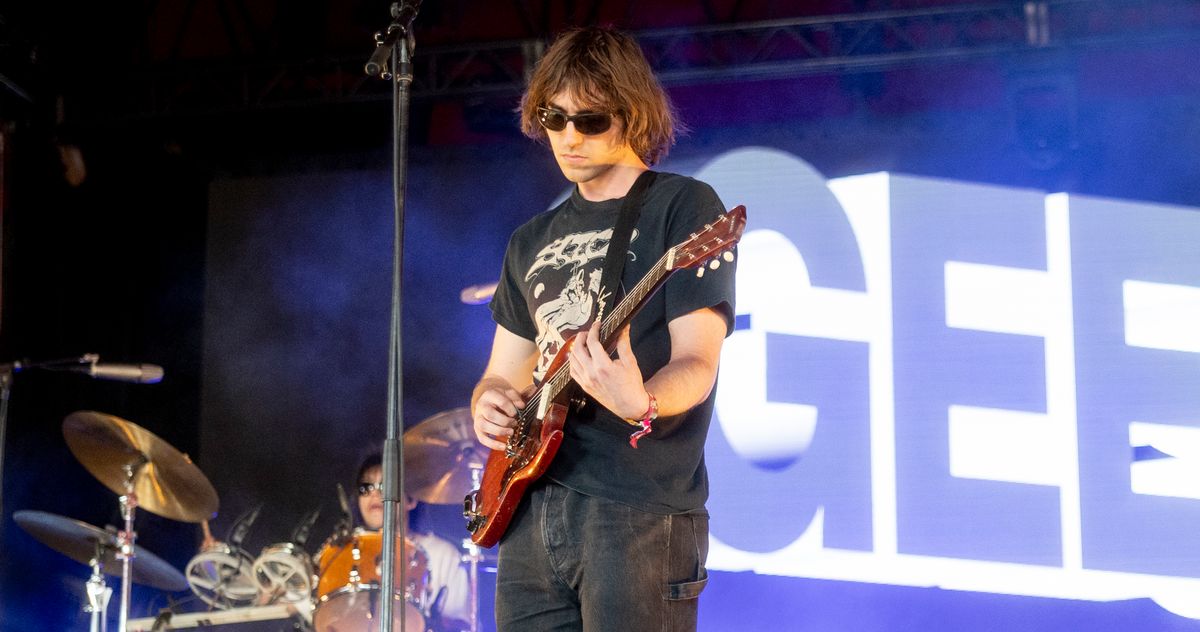
3 months agoGeese: Tiny Desk Concert
When Geese stopped by the NPR Music office in December, bassist Dominic DiGesu geeked out with a bag of trinkets to display on the Desk: a small, toy goose gifted to them on tour, a stuffed Snoopy, a figurine of Sonic cradling Jesus, Minecraft sticky notes and a Mets hat. Since the release of 2025's Getting Killed, the critical and fan reception has been wild and hard to parse even my colleagues at All Songs Considered dove into the phenomenon.
Music


fromwww.theguardian.com
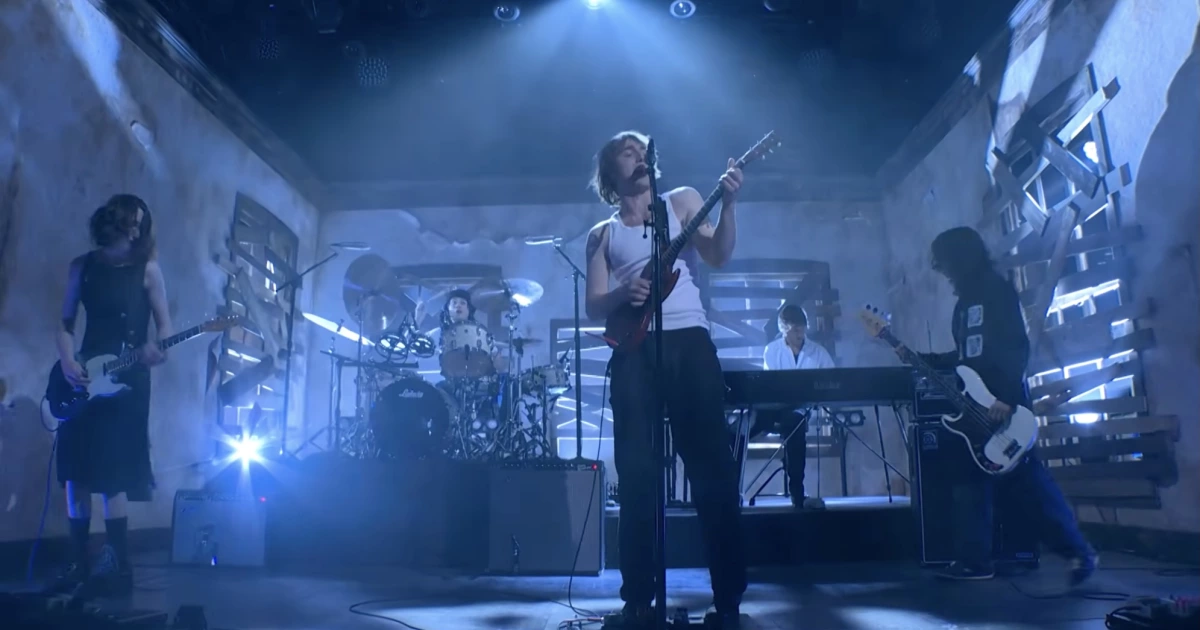
5 months agoIt contains the greatest song ever about an ice cream truck': readers' favourite albums of 2025
The production is uniquely rhythmic and layered, the instrumental performances are all pretty bulletproof, and Cameron Winter's writing is just ridiculously good. He is able to show us beauty and despair, and the beauty in despair and the despair in beauty. The best track to me is Islands of Men, which builds over this hypnotic instrumental while Winter sings about isolation and self-illusion. Other highlights would be the title track and Half Real, which feels like a dizzy, intoxicated folk song.
Music



fromBrooklynVegan
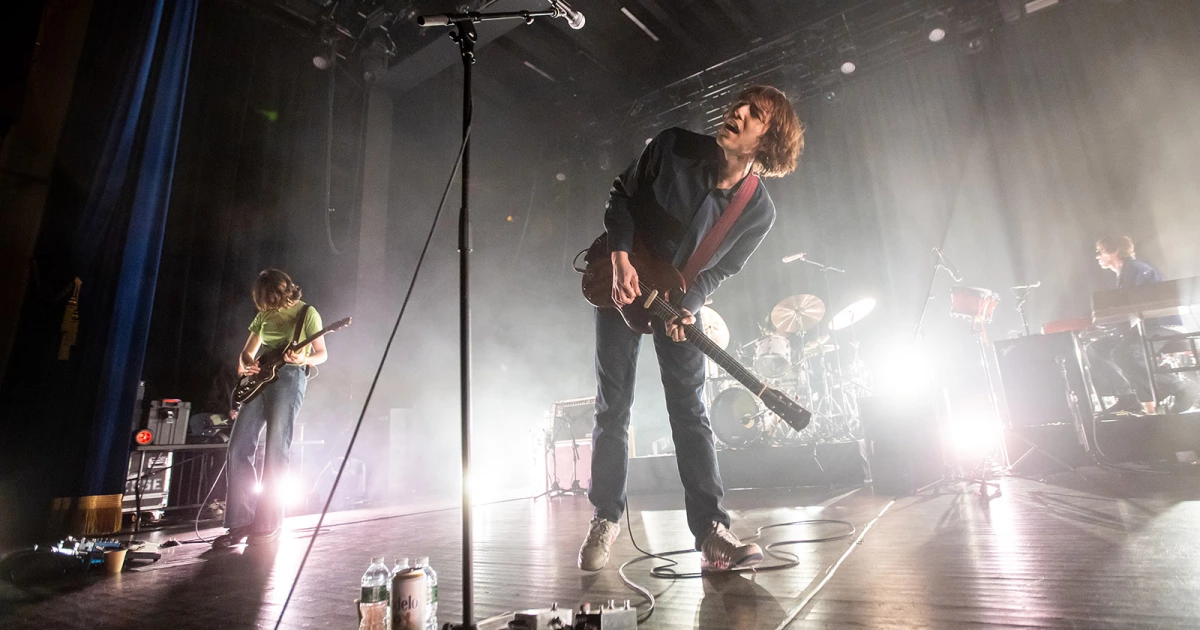
6 months agoNick Cave loves Geese: "all worry is laid to waste" when he hears "Trinidad"
This morning, I got up at five, I couldn't sleep, I'd fretted about this and I'd fretted about that. The night had played its cruel trick of turning all the good things in my life into bad things, and it was all what-ifs, and yeah-buts, and what-abouts swirling around in my mind. I crept out of the house so as not to wake Susie, putting on a winter coat because the temperature had dropped and it was sleeting outside.
Music
[ Load more ]