The "win" for Ford and GM is that they are fossil-fuel kings in a fossil-fuel nation. The EV market has died, thanks mostly to the end of the federal $7,500 EV tax credit. iSeeCars research says that EV sales as a percentage of total U.S. new car sales dropped from 8% in the third quarter to 4% in the fourth quarter. It will stay at that level through 2026, the research firm forecasts.
We won every swing state, we won the popular vote, we won everything. You take a look at districts, it was 2,750 to 500, 525, Because that was an affordability problem. We brought it down. Look at energy, look at look at the gasoline price. That's like the simplest, and it's the biggest. Because if energy comes down, everything comes down, that's the way it works.
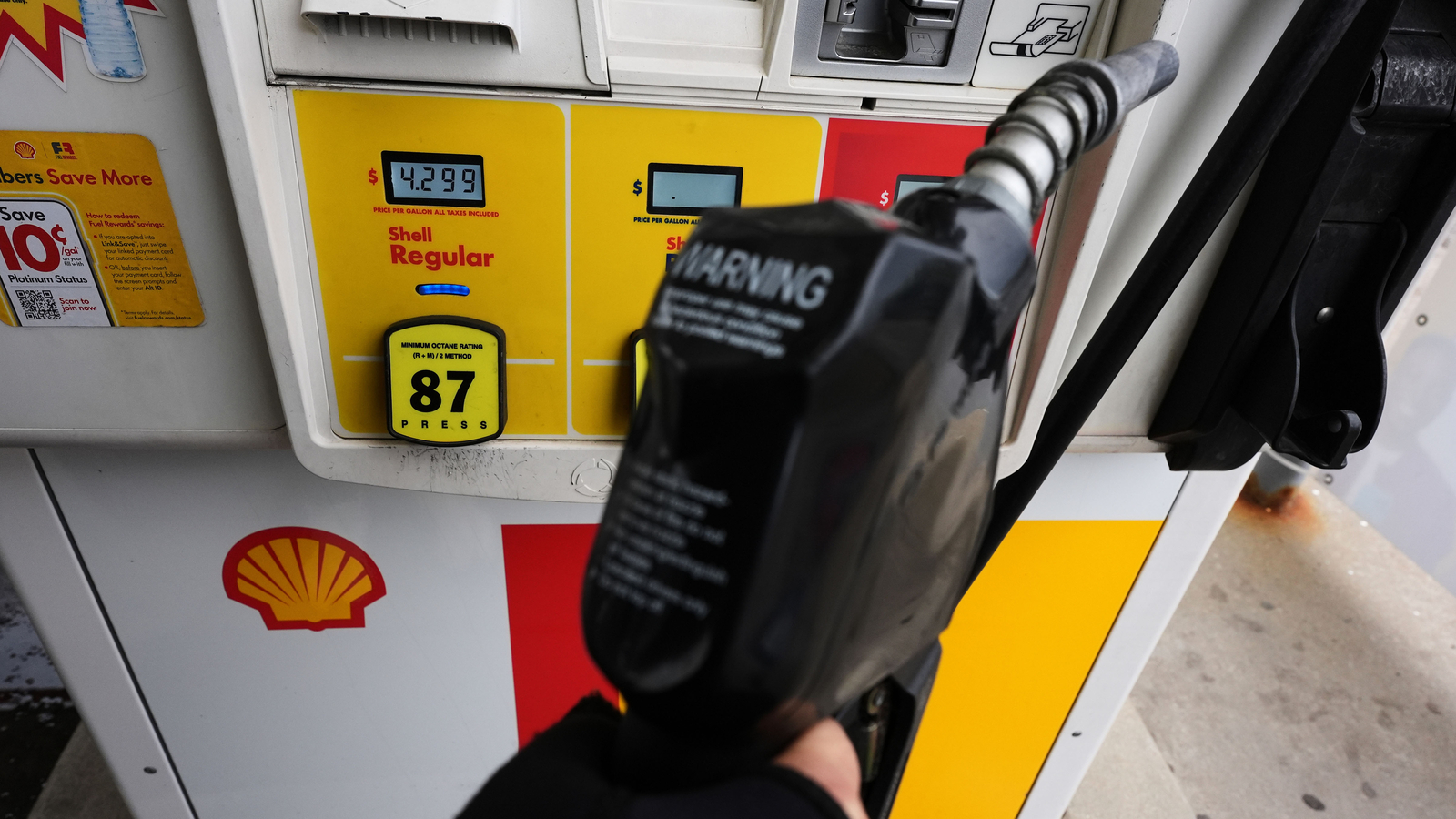
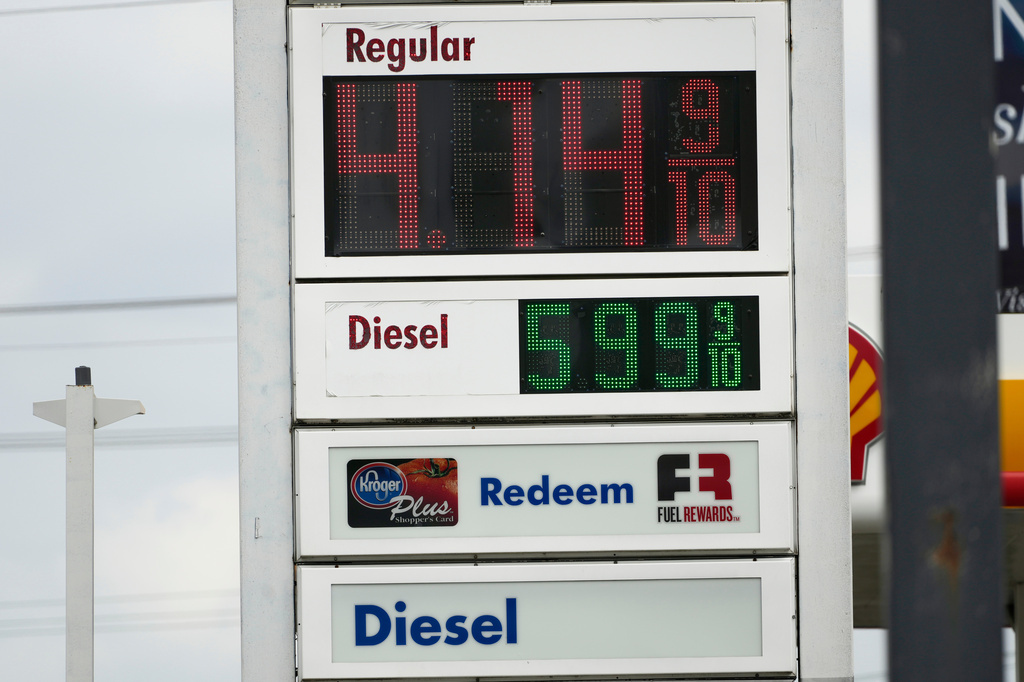
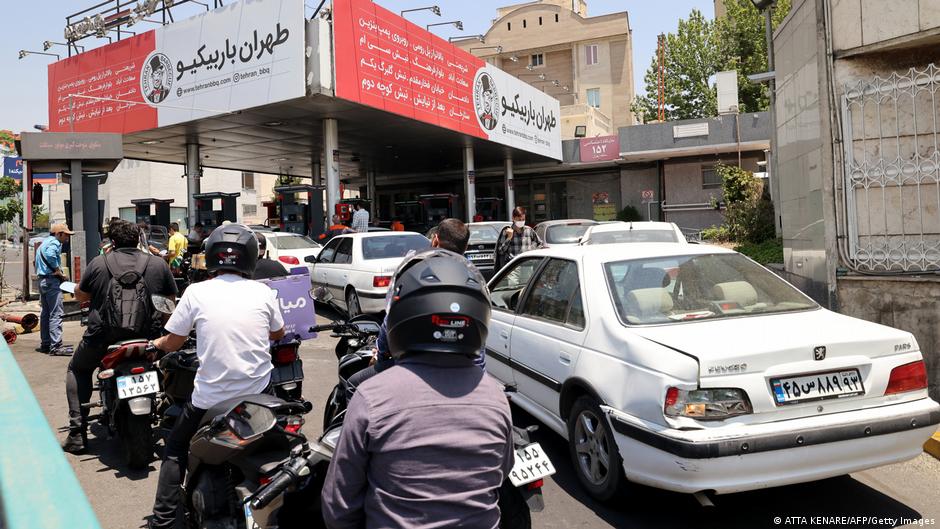
The average price of a gallon of gasoline nationwide recently slipped below $3. Due to the war in Ukraine and concerns about the oil supply, it topped $5 in mid-2022. It was as low as $2.15 in 2020 at the start of the COVID-19 pandemic. And it was about that low in 2016, due primarily to an oversupply of oil, resulting from the shale boom.
As of mid-afternoon Tuesday, average per-gallon prices for unleaded gasoline were $4.61 in San Jose, $4.67 in Oakland, $4.76 in San Francisco, $4.75 in Los Angeles, and $4.66 in California. On Oct. 2, per-gallon prices for unleaded gas were $4.55 in San Jose, $4.65 in Oakland, $4.69 in San Francisco, $4.71 in Los Angeles, and $4.64 in California.
The nonprofit Electric Power Research Institute studied U.S. households' "energy wallet" - what they pay for gasoline, power, natural gas, heating oil and propane, and more. The big picture: Last year, total "wallet" spending averaged $5,530 per household, with $1,860 for electric bills and $2,930 for gasoline. That's pretty similar to 2020 levels in inflation-adjusted dollars. But there was lots of variation in between, largely from gasoline price changes, while power has been steadier.