#fuel-crisis
#fuel-crisis
[ follow ]
#protests #blockades #government-response #ireland #economic-impact #panic-buying #cuba #government-intervention
fromwww.aljazeera.com
3 weeks agoIran war forces job losses, reverse migration in India's ceramic hub
Pradeep Kumar, a worker in Morbi's ceramics industry, lost his job due to a global fuel crisis triggered by geopolitical tensions, highlighting the industry's vulnerability to external factors.
World news
#blockade
London politics
fromIrish Independent
1 month agoGovernment to announce new package of supports as ministers 'won't dictate' who attends crunch fuel protest meeting
Blockades of fuel terminals are causing a national crisis, leading to fuel shortages and potential economic chaos across multiple sectors.
UK politics
fromIrish Independent
1 month agoCountry on the brink of economic chaos as people panic-buy fuel and forecourts run dry; 'Breakthrough' meeting today but uncertain if protesters included
Blockades of fuel terminals are causing a national crisis, leading to panic-buying and fears of economic chaos across multiple sectors.
#blockades
London politics
fromIrish Independent
1 month agoFuel protesters not among invitees to meeting with ministers; petrol stations run dry as ambulances in west 'dangerously low' on fuel
Blockades of fuel terminals are causing a national crisis, leading to fuel shortages and potential economic chaos across multiple sectors.
London politics
fromIrish Independent
1 month agoPatients missing cancer treatments and 'serious concern' ambulances may not have access to fuel as forecourts begin to run out amid queues
Blockades threaten food and clean water supply, prompting government action to clear protests and ensure access to fuel terminals.
London politics
fromIrish Independent
1 month agoCountry on the brink of economic chaos as people panic-buy fuel and protests roll on; 'Breakthrough' meeting today but uncertain if protesters included
Blockades of fuel terminals are causing a national crisis, leading to panic-buying and fears of economic chaos.
London politics
fromIrish Independent
1 month agoCountry on the brink of economic chaos as people panic-buy fuel and protests roll into fourth day; 'Breakthrough' meeting today but uncertain if protesters included
Blockades of fuel terminals are causing a national crisis, leading to panic-buying and fears of economic chaos across multiple sectors.
#protests
Europe politics
fromIrish Independent
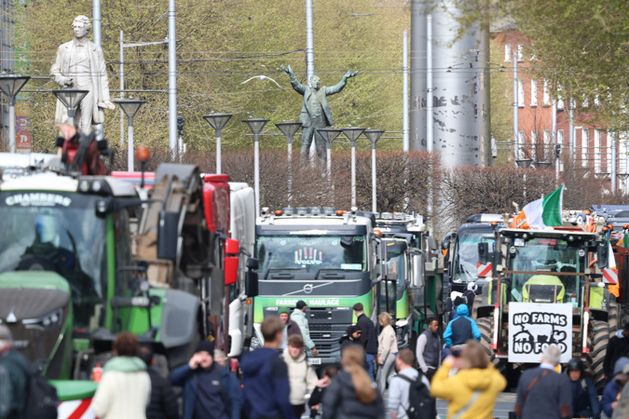
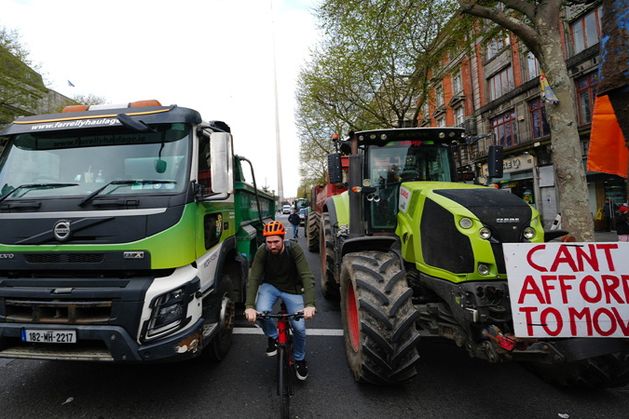
1 month agoSome petrol stations run out of fuel as army begins clearing blockades of depots; Taoiseach says 'gun can't be put to head of government'
Protests in Dublin over rising fuel costs have escalated, prompting government intervention and concerns about the impact on democracy.
Europe politics
fromIrish Independent
1 month agoArmy called in to remove protesters blocking fuel depots as pumps start to run dry; Taoiseach warns 'gun can't be put to head of Government'
Protests in Dublin over rising fuel costs have escalated, prompting government intervention to clear blockades and restore order.
#ireland
London politics
fromIrish Independent
1 month agoFuel protests: Patients missing cancer treatments and 'serious concern' ambulances may not have access to fuel, as forecourts begin to run out
Blockades threaten food and clean water supply, prompting government action to clear fuel depots amid a deepening fuel crisis.
London politics
fromIrish Independent
1 month ago'We can't maintain supply to forecourts' - Queues at petrol stations as army moves to clear blockades and gardai warn protests threaten food and water supply
Protests in Ireland are causing significant disruption, threatening fuel supplies and prompting government intervention.
Europe politics
fromIrish Independent
1 month agoQueues forming at petrol stations as army moves to clear blockades and gardai warn protests threaten food and fuel supply
Protests in Ireland escalate into blockades, risking essential supplies and prompting Gardaí to enforce the law against demonstrators.
Europe politics
fromIrish Independent
1 month agoM50 severely congested by convoy and army moves to clear blockades as food and clean water supply at risk, gardai warn
Protests over rising fuel prices escalate, prompting government intervention and military involvement to clear blockades at fuel depots.
Europe politics
fromIrish Independent
1 month agoFood and clean water supply being put at risk by protests, gardai warn; some petrol stations run out of fuel as army moves to clear blockades
Protests over rising fuel costs escalate, prompting government intervention and military involvement to clear blockades at critical infrastructure.



#energy-conservation
World news
fromwww.theguardian.com
2 months agoPhilippines orders energy cuts in response to Middle East war
The Philippines and Southeast Asian countries implement energy conservation measures including reduced air conditioning, flexible work arrangements, and decreased travel to combat rising fuel costs amid Middle East crisis.
Alternative transportation
fromwww.theguardian.com
1 month agoVictoria and Tasmania get free public transport in fuel crisis but NSW and WA to keep collecting fares
Public transport will be free in Victoria and Tasmania to encourage usage and reduce fuel demand, while NSW and WA governments will not implement similar measures.
Europe news
fromLondon Business News | Londonlovesbusiness.com
1 month agoShell boss warns 'worst-case' UK could face fuel shortages within weeks - London Business News | Londonlovesbusiness.com
Britain and Europe may face a fuel crisis due to rising global energy supply pressures from the Middle East conflict.
fromYahoo News
1 month agoRadical road rule change to keep cars running amid Aussie petrol crisis: 'Can help'
"Lowering speeds does reduce fuel consumption, especially at highway speeds, because aerodynamic drag increases rapidly as speed rises. A reduction of around 10 km/h can realistically lead to fuel savings in the order of 5-10 per cent, depending on the vehicle and driving conditions."
Alternative transportation
fromYahoo News
1 month ago100 servos out of diesel, 35 totally dry in NSW
As it stands today, as a result of the strategic reserves being released and the sulphur content restrictions being eased, there is in fact more petrol in the economy today than there was five weeks ago or four weeks ago.
UK politics
fromYahoo Finance
2 months agoCountries ordered to work from home as fears grow for Aussie supplies: 'It's happening'
We might be talking about work from home mandates. We might be talking about restrictions on air travel and even rationing, if it got bad enough for long enough. This assessment from Rabobank's senior macro economist Benjamin Picton highlights potential escalation of fuel conservation measures globally if supply constraints continue.
World news
[ Load more ]