Samsung Electronics plans to invest KRW 110 trillion, or approximately $73 billion, in research and development and facilities "in a bid to lead the semiconductor industry in artificial intelligence". This year's plan would represent an increase in expenditure of over 21% compared to 2025.
The big new feature in the Galaxy S26 Ultra is Privacy Display. It uses pixel-level light control to reduce the screen visibility at an angle. Technically, it uses something called Flex Magic Pixel tech to direct light per pixel, reducing visibility at off-angles. It's truly impressive, and we haven't seen something like it in the office before.
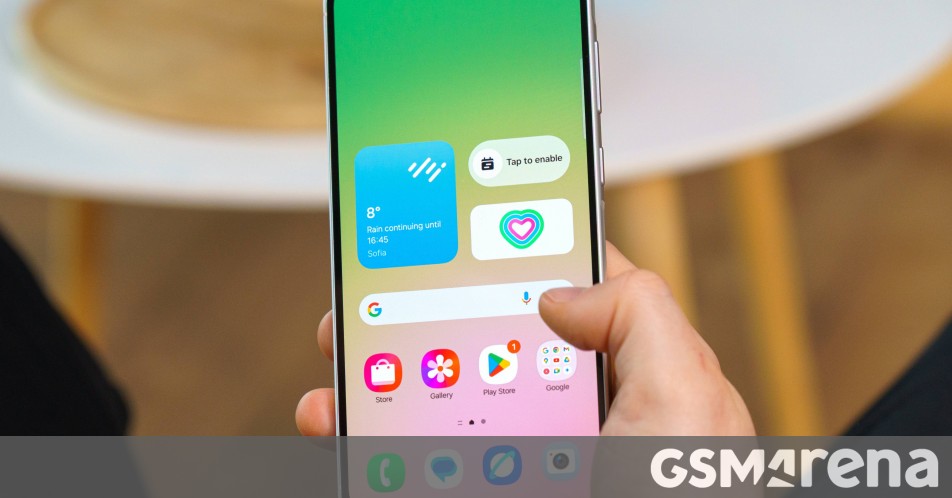
Samsung's next flagship devices will offer Perplexity as part of an expansion to support multiple AI agents in Galaxy AI. Perplexity's AI agent will work with apps including Samsung Notes, Clock, Gallery, Reminder and Calendar, according to the announcement. And, some third-party apps will support it, though Samsung hasn't yet said which. The news comes just a few days before Samsung's Galaxy Unpacked event, so we can expect to find out more about that integration and how it fits in with Samsung's revamped Bixby
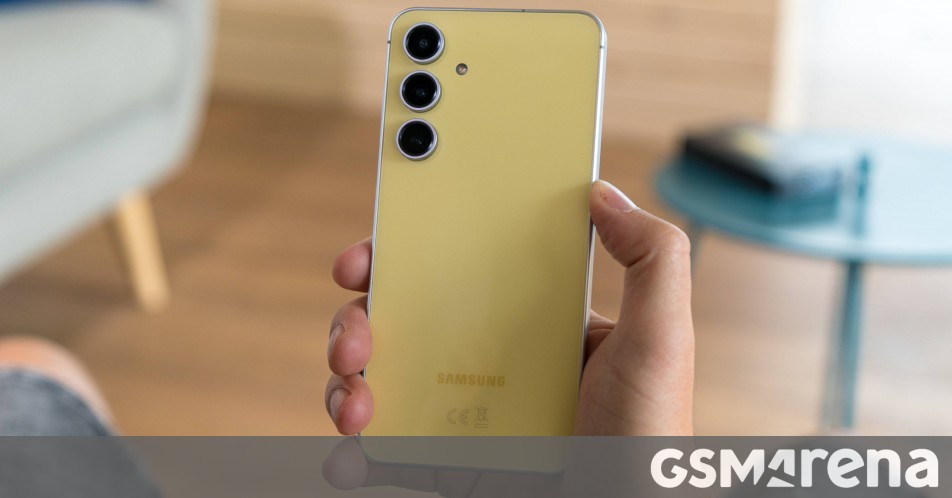
Samsung has debuted the Galaxy A07 5G, expanding AI access to budget-conscious users. As the direct successor to the Galaxy A06 5G, the device distinguishes itself by placing a strong emphasis on artificial intelligence. The device, released on Jan. 13, stands out for offering better battery life, advanced AI, and longer support, features typically found on mid-range devices from other brands.
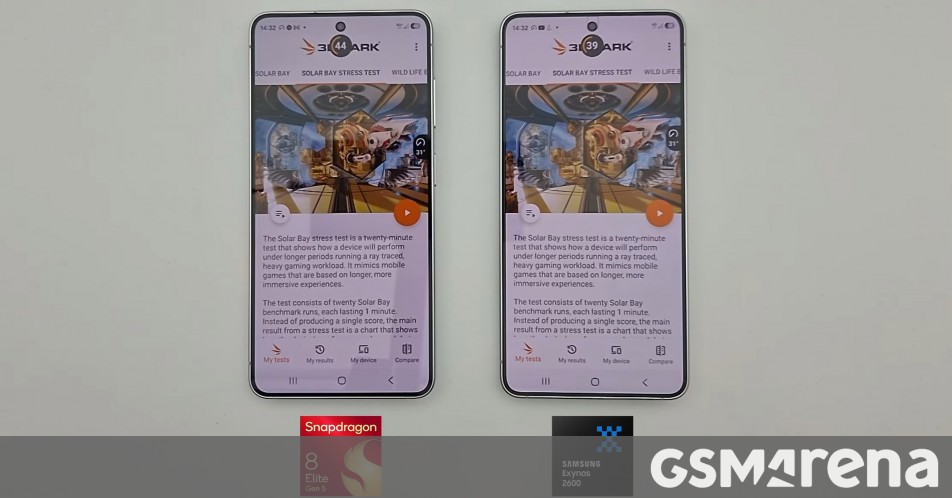
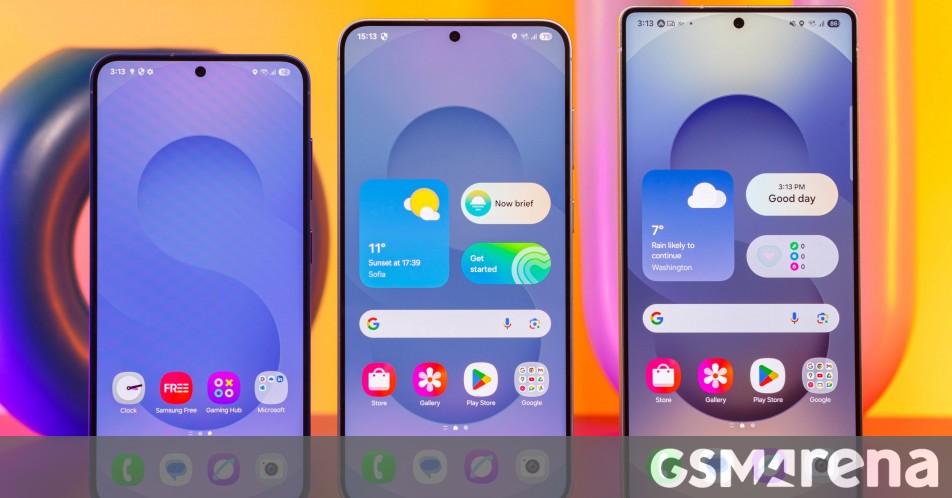
While the Galaxy S26 lineup that's about to launch next month is rumored to be feature Exynos and Qualcomm chips earlier reports suggested Samsung might be ready to move to its own silicon for the following generation. Now however prominent Weibo tipster Digital Chat Station claims the Galaxy S27 Ultra will maintain the current tradition of running only a Snapdragon chipset.