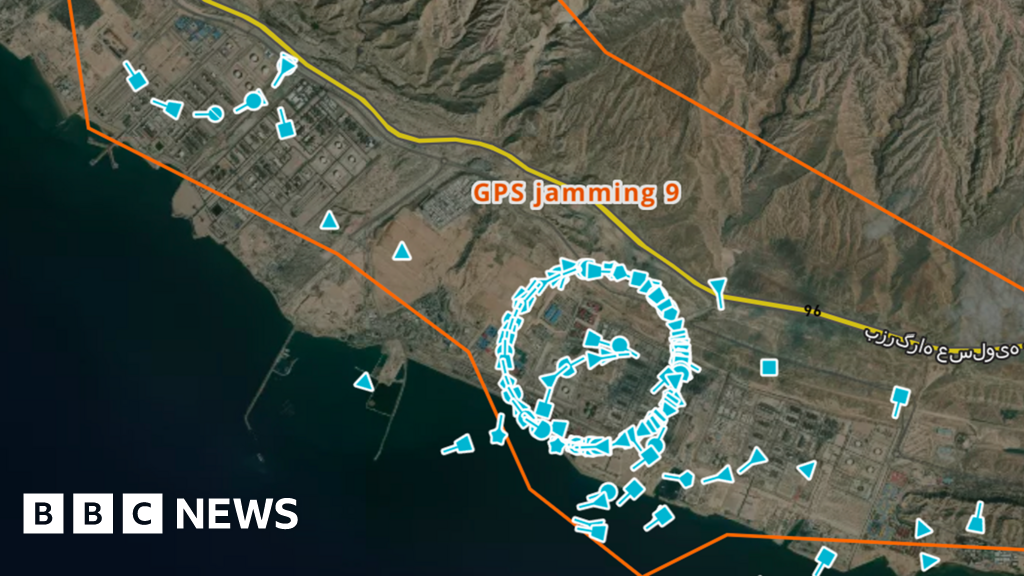
Military personnel at Fort Hood are scheduled to test anti-drone systems that can interfere with satellite navigation signals across a wide area, potentially degrading GPS accuracy for aircraft, drones, and consumer devices. The interruptions, which began February 2, are expected to continue on Friday and Saturday mornings through February 27, with the final round scheduled from February 23 to 27. The affected zone spans major cities, including Dallas, Houston, San Antonio, and extends as far as Oklahoma City.
Much like the war in Ukraine, future battlefields could be drowning in electronic interference, so the US Army stress-tested new command-and-control tech against that threat. The need to maintain connections between command and deployed weapons and crews, or reestablish those links when they're lost, is shaping how soldiers train on the service's Next Generation Command and Control, a new software-driven system that's being developed for the Army.
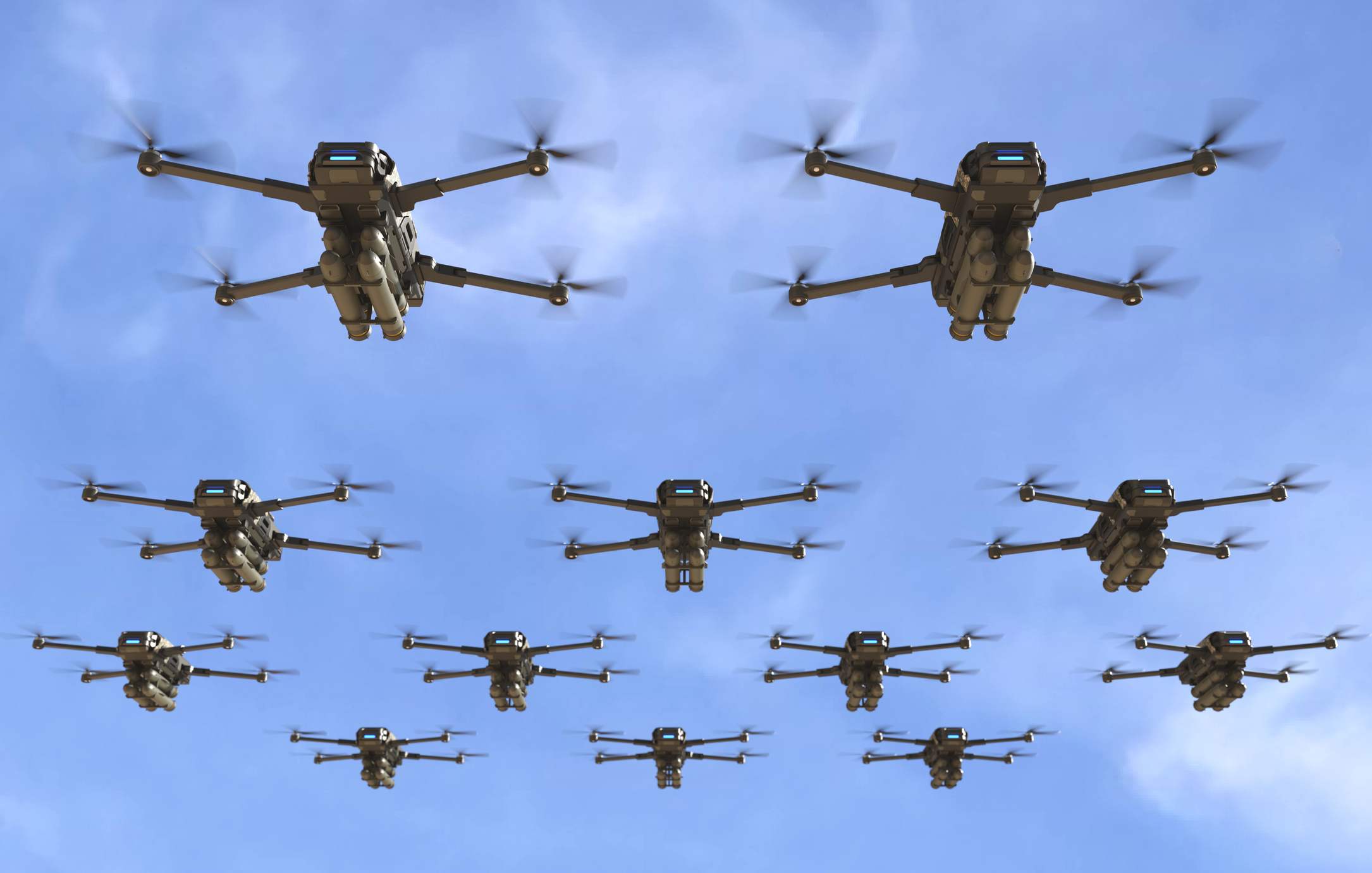
As uncrewed aircraft, drones rely on electronic systems to function and, often, radio frequency (RF) connections guide them. Favored techniques to neutralize drones include "spoofing" and jamming. Spoofing involves beaming fake radio signals to the drone to misdirect it. RF jamming works to cut off communications with the base of operation. But militaries are finding new ways to counter these methods.
As the tech war moves forward amid fighting in Ukraine, Russia's Black Sea Fleet is testing new jamming-resistant naval drones guided by fiber-optic cables. State media outlet TASS reported that the fleet received uncrewed vessels for trials, with combat testing scheduled for September. Both Russia and Ukraine have been experimenting with naval drones and drones with fiber-optic controls, which are immune to electronic warfare tactics. The two sides are racing to expand their fleets of uncrewed systems and blunt each other's innovations.