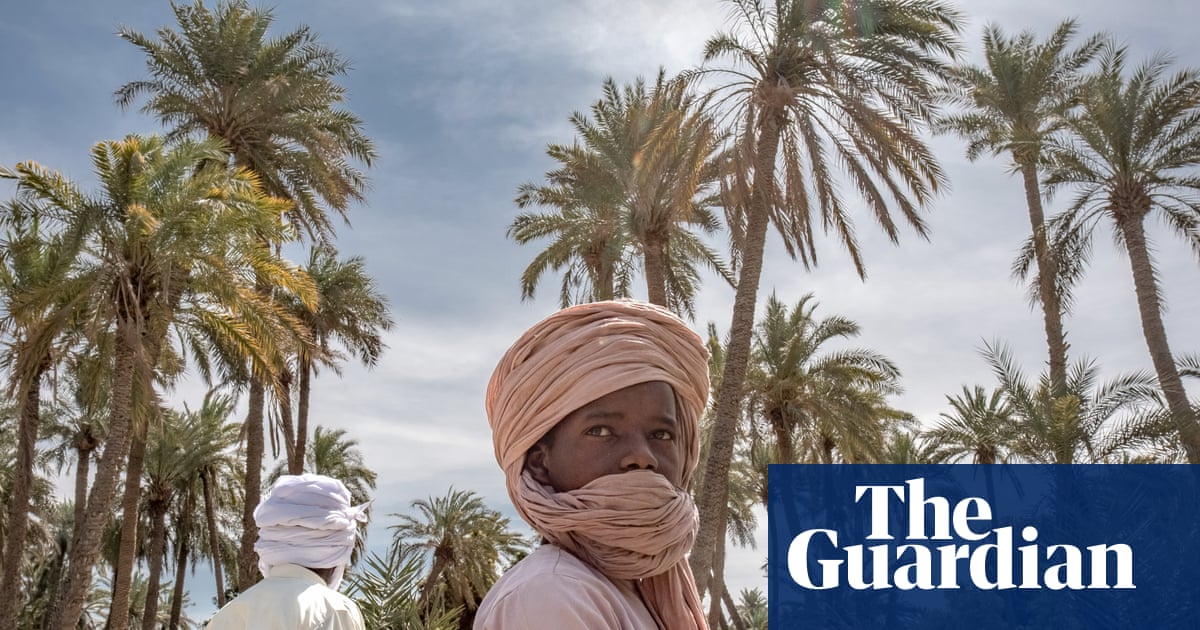
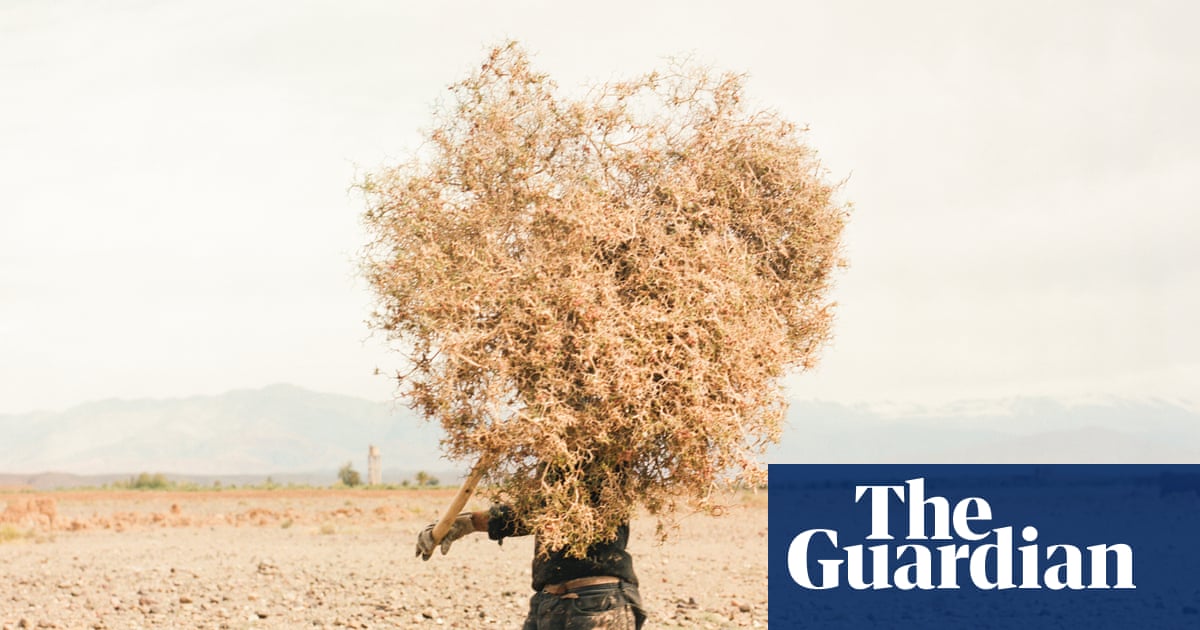
Nawaf al-Akhras describes the daily round trip to a water filling station as a torment for his family, stating, 'My entire day with my son is spent waiting in line to fill water, with people coming from very far distances.'
"In the Gulf, desalination is built with enough breathing room that losing one plant doesn't immediately show up at the tap," says Rabee Rustum, professor of water and environmental engineering at Heriot-Watt University Dubai.
Data from the US Department of Agriculture's Natural Resources Conservation Service shows that out of approximately 70 river basins across the Western US, only five are at or above the 1991-2020 median snow water equivalent for this time of year.
Women are responsible for collecting water in more than 70% of rural households that do not have access to mains water across the developing world. Women and girls collectively spend 250m hours a day collecting water globally. The climate crisis is exacerbating the problem, according to a new report from the UN.
At a young age, I learned quickly how oil wealth and power could burn the land while people struggled. I saw heat rise off the streets, the Nile strained, and the air thickened with injustice. In my teenage years, through Aotearoa, being on the edge of the Pacific, I felt the ocean breathing heavy, swallowing the shores of islands that have done the least to cause this harm.
In Turkana, the land is rugged, roads disappear into dust, and villages are scattered across vast distances in a county of just more than a million people. Despite it being the rainy season, weather experts warn that Turkana and other arid regions may receive little relief. Authorities say drought is once again taking place, with 23 of Kenya's 47 counties affected.
The Colorado River is an interconnected system, sustained by Rocky Mountain snowpack, rainfall and groundwater. It is fragile, and under increasing stress. Two and a half decades into this century, the river that built the modern West has 20% less water flowing through it than it did on average in the last century. As heat and drought intensify, so do the stakes: Failure to recognize the severity of changing conditions, managing the river in parts without considering needs of the whole and inadequate planning for long-term shortages put the future of all the basin at risk.
In Grazalema, Spain's wettest town, a year's-worth of rain fell in a fortnight and overloaded the karst aquifer beneath it. Water rushed into homes through floors, walls and even electricity sockets. Authorities ordered everyone to evacuate. I felt a lot of fear, said Sanchez Barea, a guesthouse owner whose home is one of hundreds still in an exclusion zone.
Covering Climate Now was formed in 2019 in response to the climate silence that then prevailed in much of the press, especially in the United States. Over the years that followed, hundreds of newsrooms joined our effort, and press coverage of the story began to reflect the scale of the crisis. Newsrooms beefed up their climate reporting teams; they confronted misinformation that sought to play down the problem; they thought creatively about how to find the climate connection on every beat.
Over time, the water evaporated to form the smaller, brinier Owens Lake. Indigenous Paiute people call the Owens Valley Payahuunadü, 'the land of the flowing water'. Today, Owens Lake is a 'Dusty Vestige of the Old West', as NASA described a photograph of the lake taken from space.
Climate breakdown is occurring more rapidly with the heating rate almost doubling, according to research that excludes the effect of natural factors behind the latest scorching temperatures. It found global heating accelerated from a steady rate of less than 0.2C per decade between 1970 and 2015 to about 0.35C per decade over the past 10 years.
The question of how to protect fish and the ecological health of rivers that feed California's largest estuary is generating heated debate in a series of hearings in Sacramento, as state officials try to gain support for a plan that has been years in the making. "I am passionate that this is the pathway to recover fish," said state Natural Resources Secretary Wade Crowfoot. "This is the paradigm we need: collaborative, adaptive management versus conflict and litigation."
There's no hand-waving about how 'We want to cooperate on climate,' " oil historian and S&P Global vice chairman Dan Yergin said in an interview. "It's, 'We're slamming the door on that issue.' " "We've gone from over-indexing it to zero-indexing it.