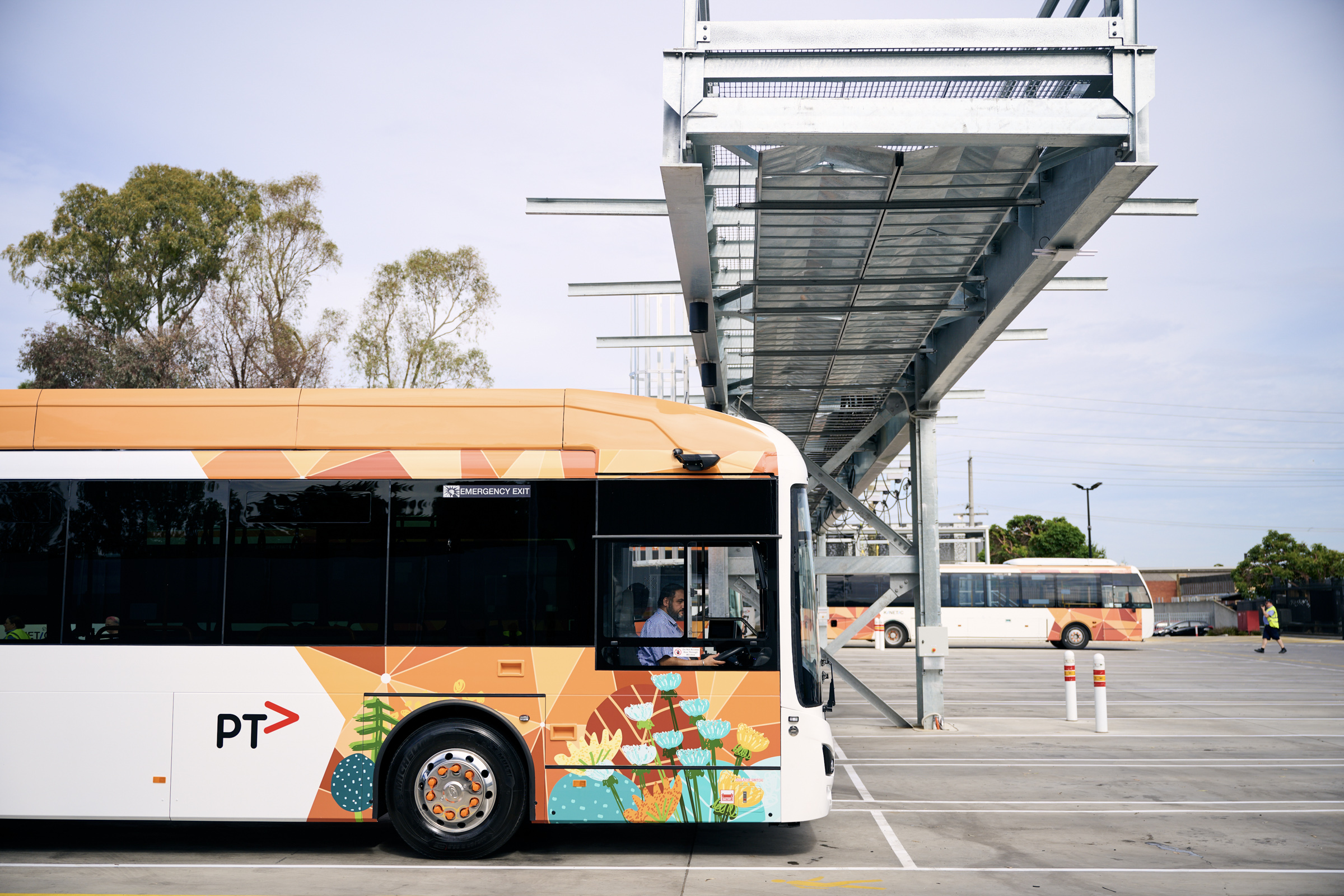
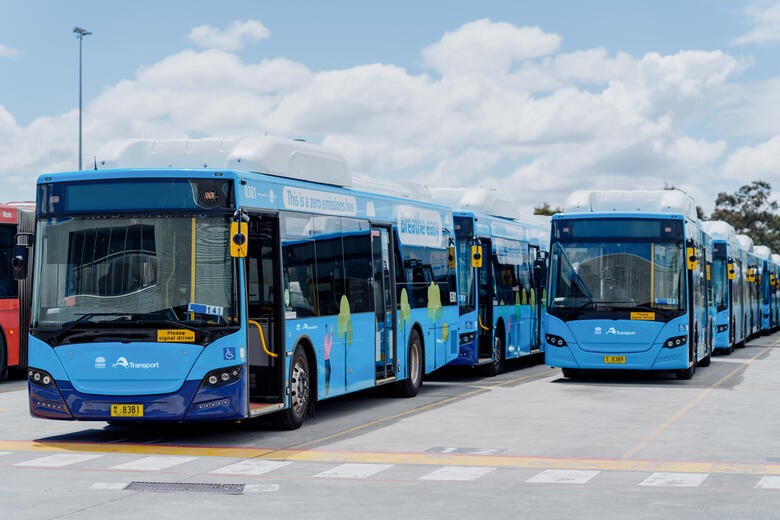
"This project is symbolic of what we've done over the last 12 years, reshaping the streets and the city," Christophe Najovski, the city's deputy mayor in charge of green spaces, stated during the opening ceremony.
Our customers are busier than ever and are looking for new ways to save time while keeping their households running. We saw an opportunity to use our unique operational expertise and delivery network to help make customers' lives a little easier while unlocking even more value for Prime members.
While dozens of other countries have delivered fast, modern train networks, we are stuck with a skeletal system built largely on slow, 19th-century alignments. Even developing nations are passing us by. There is growing recognition at the federal level that things need to change, but substantial and comprehensive reform would require an act of Congress.
The planned order is expected to include 12-meter and 18-meter vehicles, and potentially also 24-meter bi-articulated trolleybuses. All units will be equipped with traction batteries enabling off-wire operation. The new trolleybuses are expected to cover at least 20 kilometers without overhead wires, while remaining fully compatible with Riga's extensive existing trolleybus infrastructure.
For more than a decade, autonomous buses have been "almost ready." Demonstrations with safety drivers began around 2015, and ten years later, this is still largely what we see. The reason is not a lack of ambition - it is physics, safety, and economics. Autonomous buses on city streets are inherently difficult. They carry dozens of passengers, operate as heavy vehicles, and move through a chaotic urban environment.
Every city contains two transportation systems. One is the visible network of roads, rail lines, sidewalks, and bus routes mapped in planning documents. The other is the invisible geography of privilege and exclusion embedded within it: the neighborhoods that received highways instead of parks, the communities whose bus routes were cut, the sidewalks that abruptly end at the edge of a district.
It has been almost three years since the Port of San Francisco awarded TMG Partners the redevelopment rights for San Francisco's Pier 38, with TMG winning over the Port with a pitch that emphasized the speed with which they planned to act and an "immediate revitalization" of the pier with a mix of public, office and maritime uses. But Pier 38, which has been shuttered since 2011, remains red tagged and inactive.
The railroad industry is a logistics artery, but the companies supplying the equipment that moves freight are where the real money gets made. Locomotives, railcars, tank cars, and digital rail systems are the picks and shovels of modern logistics. These companies capture recurring revenue from manufacturing, leasing, and maintenance contracts, benefiting from regulatory replacement cycles, nearshoring tailwinds, and the simple reality that freight must move.
When routes are well organized, there are clear directional signs, and speed limits become reasonable. The early installation of warning signs allows transport companies to plan deliveries more accurately and avoid delays. For businesses, time is money. When a truck carrying goods does not spend hours detouring due to an unclear traffic scheme or stuck in traffic where it could have been avoided thanks to competent traffic management, fuel costs, driver wages, and vehicle maintenance costs are reduced.
Americans are likely to have spent a record $1 trillion-plus this holiday shopping season alone, and about $5.5 trillion in retail sales in all of 2025, according to estimates by the National Retail Federation. That includes many unhappy returns for retailers: And when it comes back to them, a lot of the $850 billion in returned merchandise is often cheaper to discard than to inspect, sort, and resell-adding millions of tons to landfills every year.