Education
fromState of the Planet
1 day agoIan Hunt Wrote the Climate Book He Wanted To Read as a Kid
Ian Hunt's book, 'Climate Action for Kids,' provides a science-based guide for young learners to understand and engage with climate change.
'Our results show that the next 20 years are critical,' lead author Dr Rob Cooke told the Daily Mail. 'By around 2050, we reach a point where the choices we make on emissions and land use will largely determine whether Britain moves towards a much more degraded or a much more nature‑positive future.'
Somebody sent to this world to try to give people hope in dark times, because without hope, we fall into apathy and do nothing, and in the dark times that we are living in now, if people don't have hope, we're doomed. How can we bring little children into this dark world we've created and let them be surrounded by people who've given up?
In April 2024, Churchill's waste management facility-an old military building known as L5-burned to the ground. Spontaneous combustion in the gaseous garbage pile was the likely cause. The warehouse had been capable of storing up to three years' worth of the town's garbage at a time. Overnight, the town's 900 or so residents were left with nothing.
The key driver for introducing a new banknote series is always to increase counterfeit resilience. But it also provides an opportunity to celebrate different aspects of the UK. Nature is a great choice from a banknote authentication perspective and means we can showcase the UK's rich and varied wildlife.
"no witchcraft, no enemy action had silenced the rebirth of new life in this stricken world. The people had done it themselves." Carson identified human pesticide use as the cause of environmental destruction, establishing personal responsibility for nature's decline and setting the foundation for her revolutionary environmental critique.
For its fifth anniversary, 'Secrets of' turns its lens to one of Earth's smallest yet most vital heroes: bees. Far more than pollinators, bees are socially complex, fast-thinking individuals and the most important insects on our planet. Their impact on the natural world and humanity is immeasurable, and we're only just beginning to see how extraordinary they truly are.
Last year the JIC produced a hard-hitting report which found the collapse of globally important ecosystems around the world including the potential shift of the Amazon from rainforest to savannah, the demise of coral reefs, and the loss of glaciers would threaten the UK's national security, through food shortages at home and the potential for conflict overseas.
Climate breakdown is occurring more rapidly with the heating rate almost doubling, according to research that excludes the effect of natural factors behind the latest scorching temperatures. It found global heating accelerated from a steady rate of less than 0.2C per decade between 1970 and 2015 to about 0.35C per decade over the past 10 years.
Britain is about to be hit with showers of 'blood rain', according to experts from the Copernicus Atmosphere Monitoring Service (CAMS). This is thanks to a plume of red Saharan dust, which is currently sweeping over Europe towards the UK. When this dust mixes with Britain's persistent rain, the precipitation will take on a distinctive reddish colour - creating a phenomenon known as 'blood rain'.
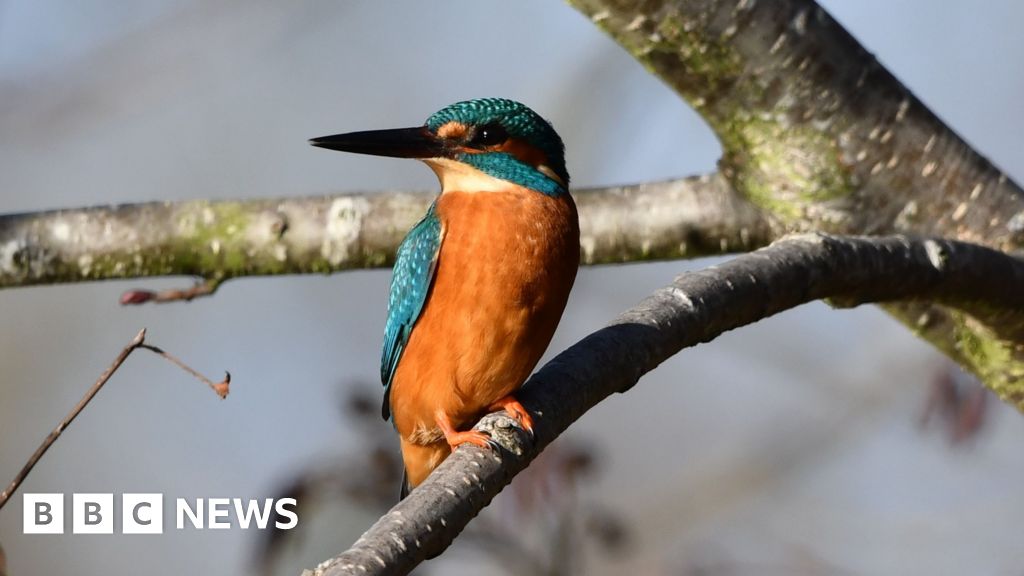
On the face of it, the RSPB picking Ned Stark as the host of the new series of their podcast seems odd. But it turns out he's been a birder since childhood, who crams in birdwatching between acting gigs. He's warm and honest in his first podcast, chatting to fellow ornithology lover Elbow's Guy Garvey about spotting different species while working abroad, recognising bird song and the meditative joy of watching the feathered creatures. Alexi Duggins Widely available, episodes fortnightly
From reproductive rights to climate change to Big Tech, The Independent is on the ground when the story is developing. Whether it's investigating the financials of Elon Musk's pro-Trump PAC or producing our latest documentary, 'The A Word', which shines a light on the American women fighting for reproductive rights, we know how important it is to parse out the facts from the messaging. At such a critical moment in US history, we need reporters on the ground.
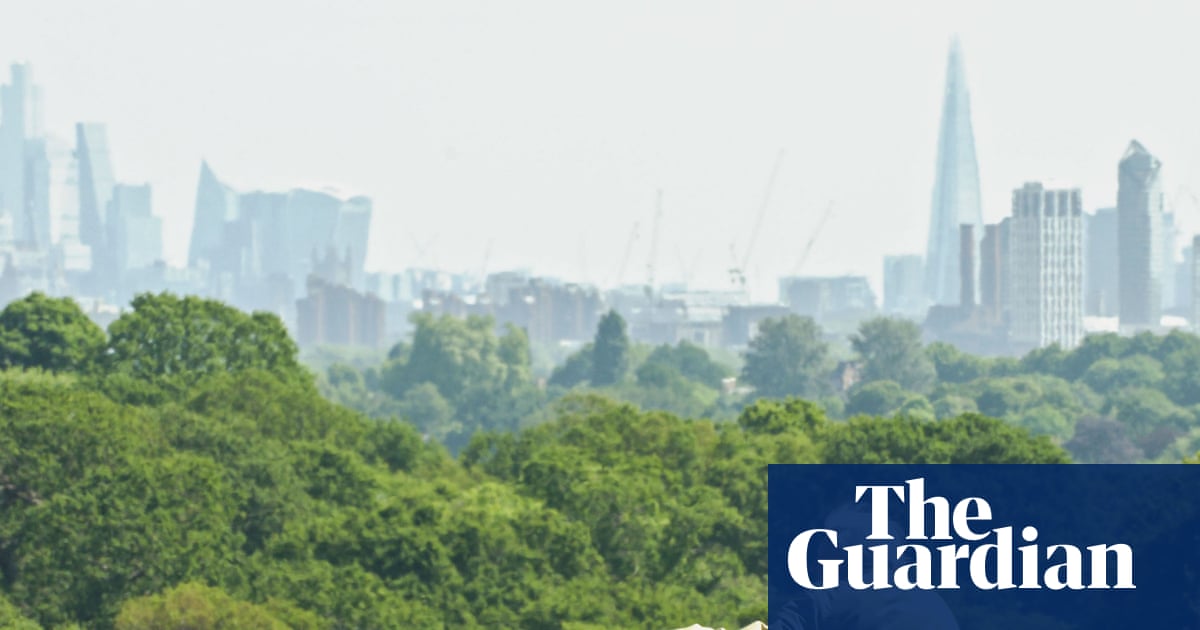
London is the only place in the UK where you can find scorpions, snakes, turtles, seals, peacocks, falcons all in one city and not London zoo. Step outside and you will encounter a patchwork of writhing, buzzing, bubbling urban microclimates. Sam Davenport, the director of nature recovery at the London Wildlife Trust, emphasises the sheer variation in habitats that you find in UK cities, which creates an amazing mosaic of wildlife.
There are snakes living in London trees Just a short slither away from London Zoo and Camden, an estimated 40 snakes are living in the trees on Regent's Canal. Aesculapian snakes are native to continental Europe and it remains unclear how they came to be living in the heart of London. Shy and harmless to humans, the snakes play a role in the food chain, helping to keep down the numbers of rats and mice in the capital city.
I am in the kitchen watching the dog and the cat fight when the tortoise suddenly appears. Or to put it another way: I watched the dog and the cat fight for a while, until it became tiresome; the next time I looked up possibly 15 minutes later the tortoise was also there. That's what I mean by suddenly. In real terms, the tortoise doesn't do anything suddenly.
The world spends 30 times more money destroying nature than protecting it. That's according to a new report from the United Nations Environment Programme (UNEP) that exposes a massive gulf between so-called "harmful investments" and financing that promotes nature preservation. The global environment agency's latest "State of Finance for Nature" (SNF) report is calling to phase out the US$7.3 trillion (6.2 trillion) in global investments that damage nature including into high-emissions energy infrastructure and manufacturing, for example.