#cultural-contribution
#cultural-contribution
[ follow ]
#live-music #san-francisco #community-engagement #art #community #local-artists #dance #cultural-identity #coachella
Brooklyn
fromBrooklyn Paper
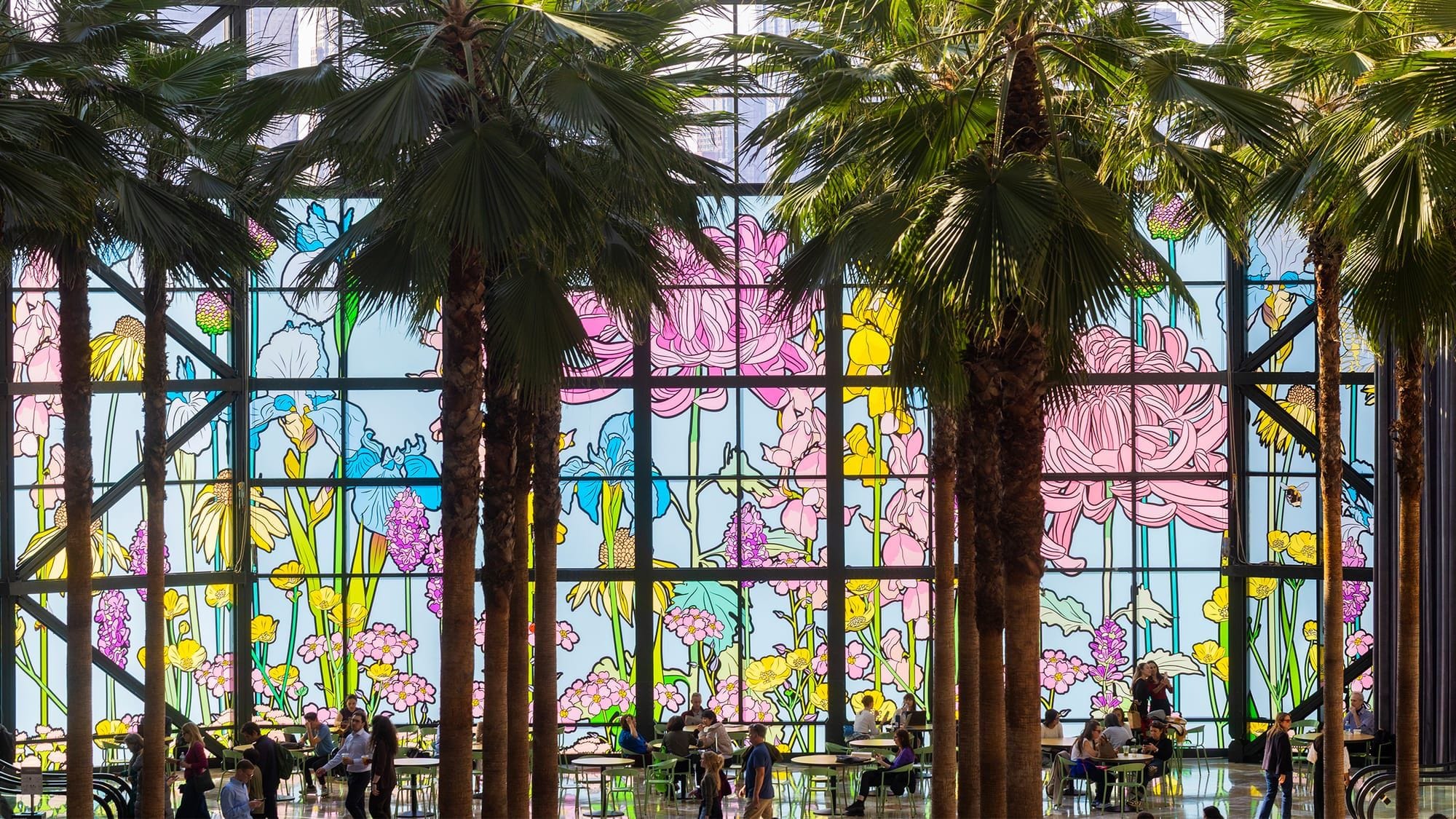
15 hours agoBrooklyn Heights art collaboration bridges generations, building friendships between students and seniors * Brooklyn Paper
Art fosters intergenerational connections between high school students and senior residents through collaborative projects at The Watermark.
fromAbove the Law
10 hours agoWhy Your Story, Engagement, And Empathy Matter More Than Ever - Above the Law
Trust begins with realness. When lawyers share their story and the reason behind their work, clients see themselves reflected in that narrative. Clients are not simply hiring legal skill; they are looking for alignment, empathy, and shared values. Storytelling bridges that gap.
Online marketing
fromFuncheap
16 hours ago8th Annual AAPI Fest + Free Bowling (Daly City)
The AAPI Fest is a FREE local family-friendly celebration organized by Over the Fog, whose mission is to foster understanding and appreciation of Asian American & Pacific Islander culture, identity, community and diversity through events, programs and activities.
East Bay food
#historic-preservation
Philosophy
fromThe Village Voice
1 day agoHistoric Preservation as Cultural Self-Reflection: Reclaiming Stories, Identity, and Meaning in a Changing Urban Landscape - The Village Voice
Historic preservation is a cultural practice that shapes community identity and values, rather than merely a technical effort to protect old buildings.
Philosophy
fromThe Village Voice
1 day agoHistoric Preservation as Cultural Self-Reflection: Reclaiming Stories, Identity, and Meaning in a Changing Urban Landscape - The Village Voice
Historic preservation is a cultural practice that shapes community identity and values, rather than merely a technical effort to protect old buildings.
fromHoodline
1 day agoSummerfair Cincinnati Packs Coney Island With 340 Artists For Memorial Day Takeover
The fair has selected more than 340 artists across a dozen categories, including photography, painting, wood, metal and mixed media, and organizers have added a Gourmet Arts area so visitors can sample unique foods and drinks.
NYC music
Online Community Development
fromwww.theguardian.com
2 days agoMaui residents are rebuilding Lahaina for locals, not tourists: In Hawaii, we take care of one another'
Hawaii faces severe flooding and housing crises, prompting community-led efforts to rebuild Lahaina with a focus on local needs over tourism.
fromDesign Milk
4 days agoSabah House NYC Pays Homage To Set + Setting
Sabahs are made entirely by hand from 100% leather in either Texas or Turkey—two regions with distinct yet deeply rooted relationships to the material. The result is a shoe that varies subtly from pair to pair, even within the same size.
Brooklyn
fromOregon ArtsWatch * Arts & Culture News
4 days agoTom Prochaska: Through the Open Door * Oregon ArtsWatch
Tom Prochaska distinguished himself in many mediums: He was a masterful printmaker, an intuitive painter, a builder of papier-mâché figures, a creator of fused glass panels, and graphite-on-paper drawings.
Arts
fromOregon ArtsWatch * Arts & Culture News
6 days agoIntroducing ArtsLink, a hub for posting and finding essential information * Oregon ArtsWatch
ArtsLink is envisioned as an essential community resource that aims to increase visibility, spur audience engagement, and strengthen the local arts and culture ecosystem.
Portland
fromOregon ArtsWatch * Arts & Culture News
1 week agoSpecial series: -Ism Storytellers, mixed race * Oregon ArtsWatch
In 2025, Dmae Lo Roberts embarked on a statewide storytelling experience focusing on personal stories from both artists and community members. These stories are a form of living oral history.
Portland
fromThe Art Newspaper - International art news and events
3 weeks agoComment | Museums must be the leaders in a moral revolution
Bregman claims, 'Today the whole of Europe risks turning into one big Venice, a beautiful open-air museum. A great destination for Chinese and American tourists. A place to admire what was once the centre of the world.' This statement encapsulates the concern that Europe is losing its cultural significance.
Arts
fromThe Art Newspaper - International art news and events
1 month agoReimagining communities: inside the Hong Kong International Cultural Summit
Communities make museums and museums make communities. Part of the establishment of M+ was a public consultation where people were asked what kind of museums they wanted. The recommendation was not to build lots of little museums, but to create a big museum that was cross-disciplinary, unburdened by labels like "modern" or "contemporary". It was to be a museum plus more, and that was how we became M+.
Arts
[ Load more ]