Canada news
fromwww.cbc.ca
2 days agoCensus 2026 is here. Why does it ask what time you leave for work? | CBC Radio
Census data guide population estimates, electoral riding boundaries, and commuting-based transit and road planning decisions.
The latest: The ARC's Regional Commuter Survey, which was conducted last year, collected responses from more than 6,000 employed people across the 20-county region. 20% of respondents said they telework full time, up from 6% in 2019, the last time the ARC did the survey. Nearly 60% of respondents said they telework "at least occasionally," compared to 43% in 2019. Close to 75% of households that earned more than $200,00 a year teleworked occasionally. About half of lower-income households reported teleworking.
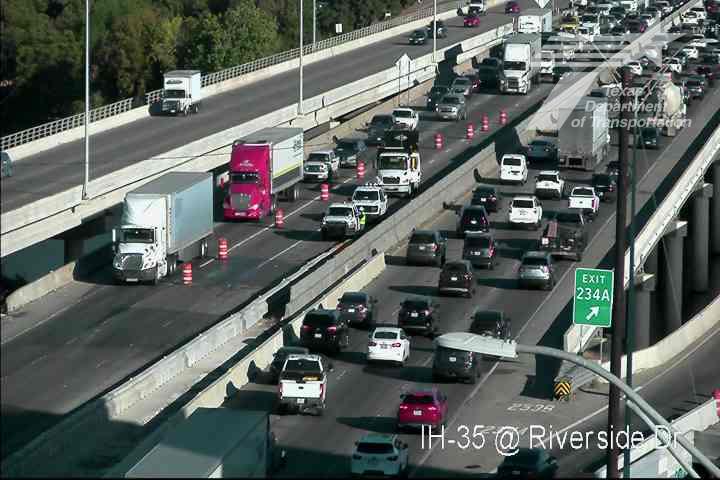
Los Angeles has experienced more than its share of struggles in the last few years. But when it come to one of the things that drives residents crazy, there are signs of slight improvement. New data show that the home of Carmageddon, the SigAlert and road rage has actually seen traffic congestion get a bit better. Los Angeles was the 10th-most congested city in the world in 2025, according to the Global Traffic Scorecard from INRIX, a transportation analytics firm.
People buying homes in London 500 metres from a tube or railway station pay 42,700 more than buyers of similar properties 1,500 metres away from transport hubs, according to new data. The figures indicate that despite the reshaping of the housing market sparked by the coronavirus pandemic and dramatic changes to working patterns, the traditional estate agent mantra of good transport links continues to wield its power over buyers.
In remote cities like Elko, NV, 12% of workers commute using public transit, comparable to many suburbs in larger metropolitan areas. This indicates a higher uptake in transit where it is typically overlooked.