Ask anyone in Catalonia about last April - they'll remember. A massive blackout left thousands suddenly powerless in every sense: no lights, no banking, no news, not even a way to heat water for a cup of tea. Shops shut down, lifts froze between floors, and digital-life-as-we-know-it simply... stopped. Now, Catalonia's government is saying something many didn't expect to hear from officials: Be prepared. Just in case it happens again.
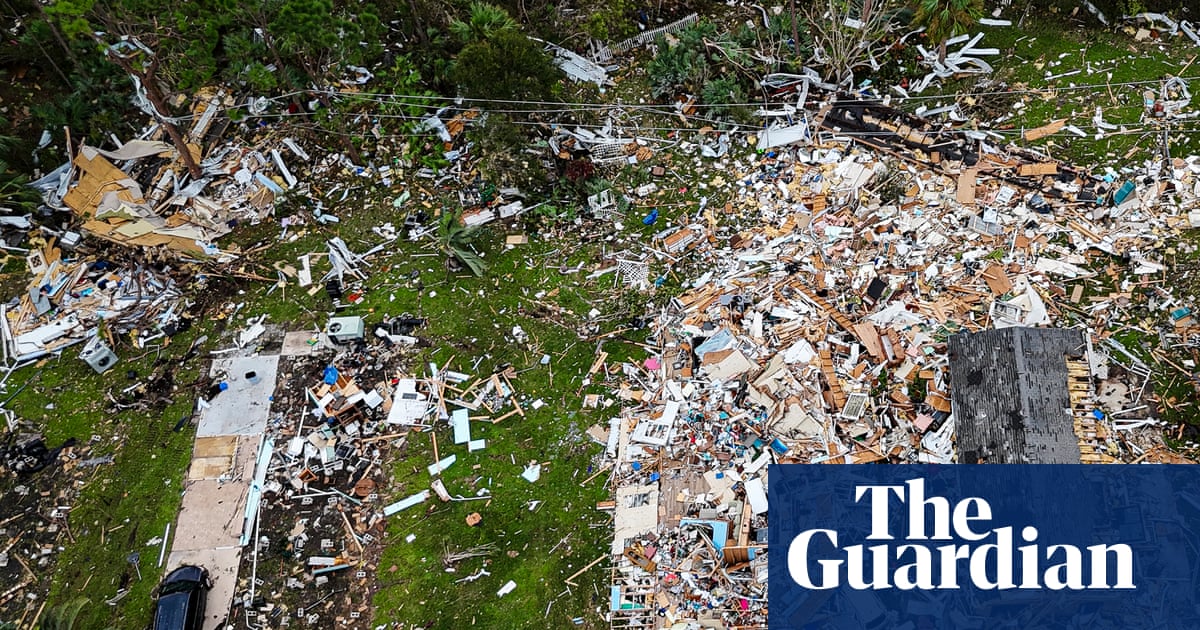
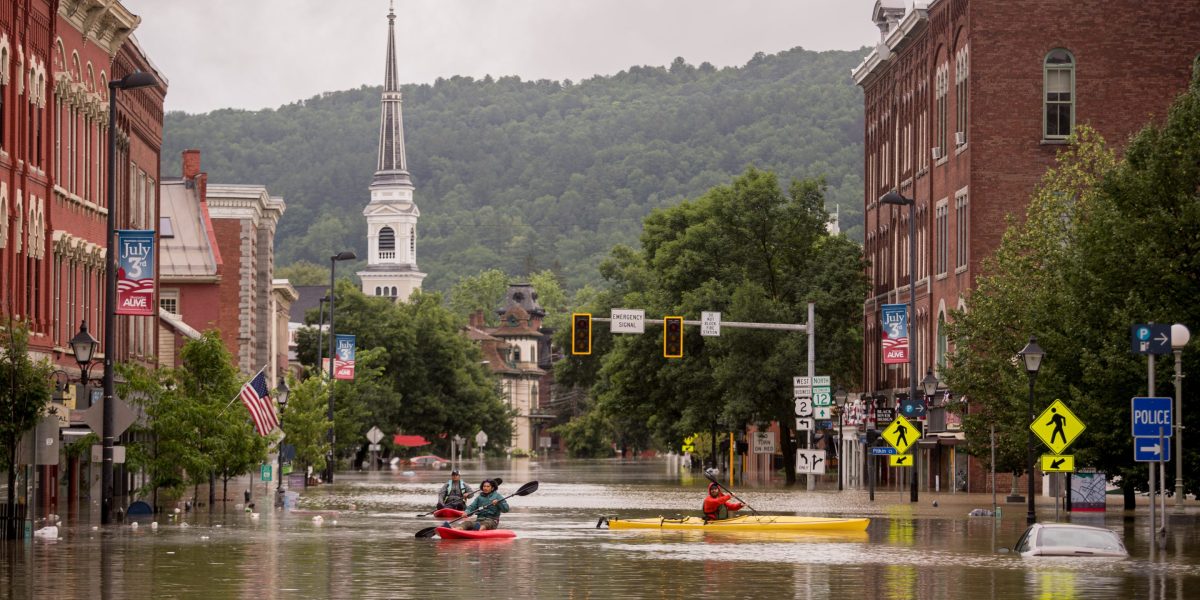
Extreme weather events are now more than just an occasional disruption; they are redefining the landscape of housing finance. And, the frequency and intensity in which these events occur, combined with rising insurance and utility costs, fluctuating property values, and shifting housing rates, provide challenges for lenders looking to effectively streamline operations, mitigate risk, and support their borrowers. For many lenders, gaining insight into the potential and actual impact of climate disasters on their loan pipeline has lacked in providing the full picture.
At Climate Week NYC, across a wide range of topics from finance to law, energy to food, infrastructure to conservation, one message rang clear: We need more collaboration, particularly across diverse stakeholders. This message is nothing new. If you are engaged in environmental or societal issues, you would most likely agree that no single actor or sector has the capacity, incentive or mandate to truly address the systemic problems we currently face.
Headlines promised that AI would transform every corner of business. Venture capital poured into the sector. But hype doesn't always translate into real-world use—especially in industries that aren't built to adopt change quickly. Food procurement, where billion-dollar decisions hinge on weather patterns and multiyear contracts, not to mention generational relationships and personal rolodexes, is one of those industries. In a space where legacy companies tout decades of experience, newness isn't always a boon.
As insurance companies continue to hike rates and cancel coverage for thousands of homeowners across fire-prone parts of California, Gov. Gavin Newsom is directing regulators to come up with new solutions to stabilize the state's spiraling home insurance market. In an executive order this week, Newsom instructed the state insurance department to submit recommendations on insurance costs and accessibility, wildfire mitigation and compensation for fire victims, among other concerns.
According to newly released American Community Survey (ACS) data from the U.S. Census Bureau, Alaska homeowners with a mortgage typically pay $1,000-$1,499 a year for homeowner's insurance, while those without a mortgage pay $800-$999; overall costs fall in the $1,000-$1,499 range. At the extremes, Alaska has 182,292 insured homeowner households in total-110,175 with a mortgage and 72,117 without. Among mortgaged owners, 10,862 pay less than $100 annually and 6,473 pay $4,000 or more.
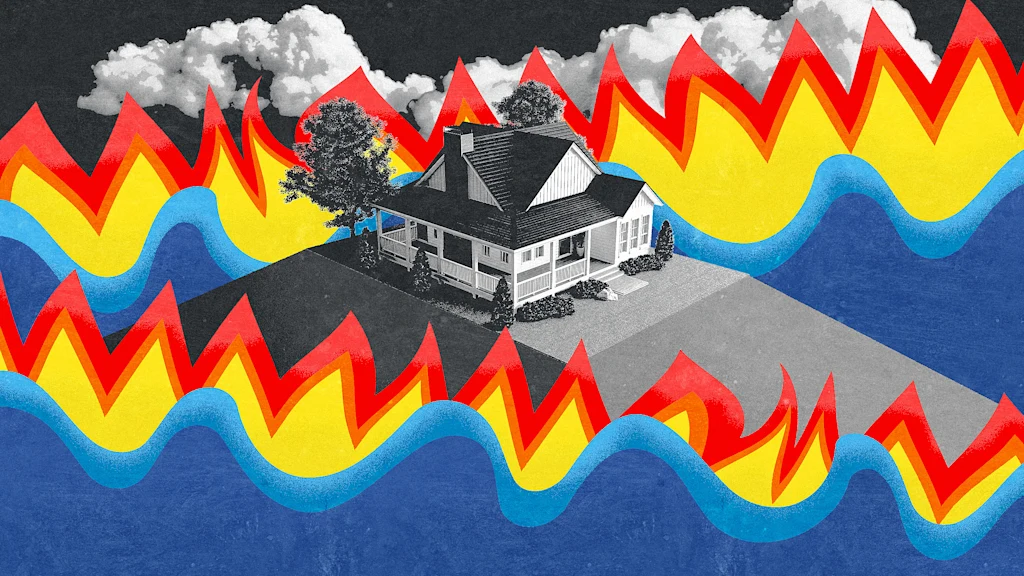
The average American emergency savings is only $500, significantly below the recommended three to six months of living expenses, leaving many ill-equipped for home repairs or emergencies. Homeowners in high climate-risk areas face challenges with insurance, as premiums soar in disaster-prone regions, leading to some homeowners considering going without insurance due to high costs. With over $12.7 trillion worth of U.S. real estate facing severe climate risk, insurers are either increasing rates or withdrawing from high-risk areas, leaving homeowners with limited coverage options.