#climate tipping points
#climate tipping points
[ follow ]



Environment
fromwww.theguardian.com
3 months agoFlawed economic models mean climate crisis could crash global economy, experts warn
Flawed economic models underestimate cascading climate risks, risking accelerated global financial collapse as tipping points and extreme events intensify and economies face unmanageable shocks.
Environment
fromwww.theguardian.com
4 months agoA colossal own goal': Trump's exit from global climate treaties will have little effect outside US
US withdrawal from UNFCCC and IPCC worsens US security and prosperity while failing to change accelerating climate realities or the global transition to low‑carbon growth.
fromWIRED
4 months agoThe Earth Is Nearing an Environmental Tipping Point
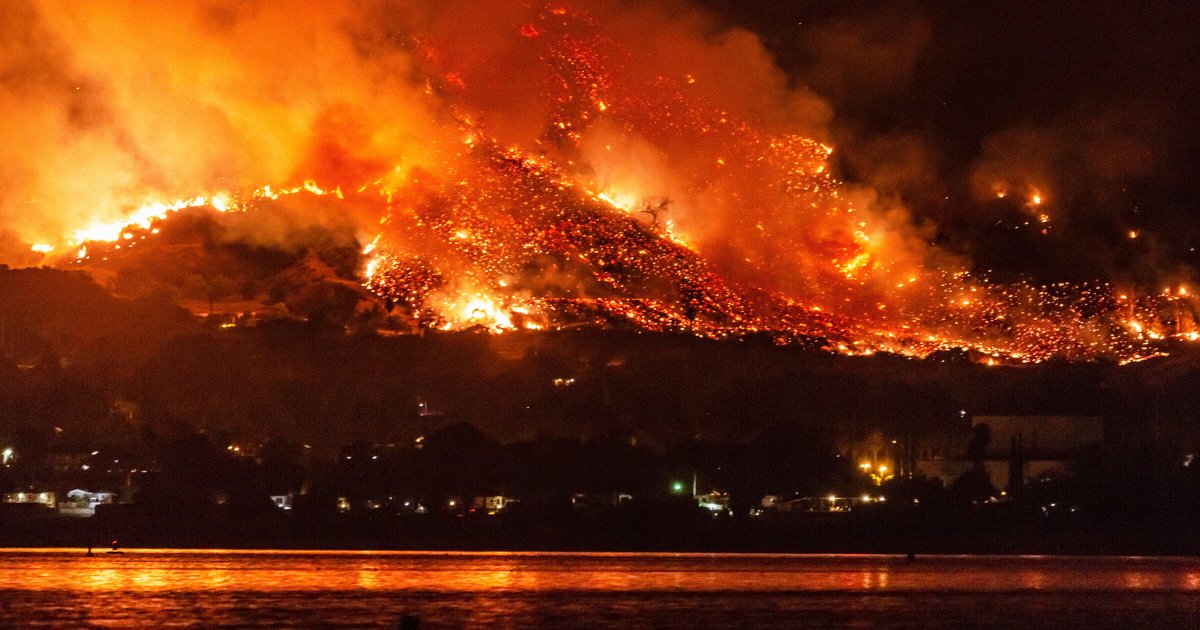
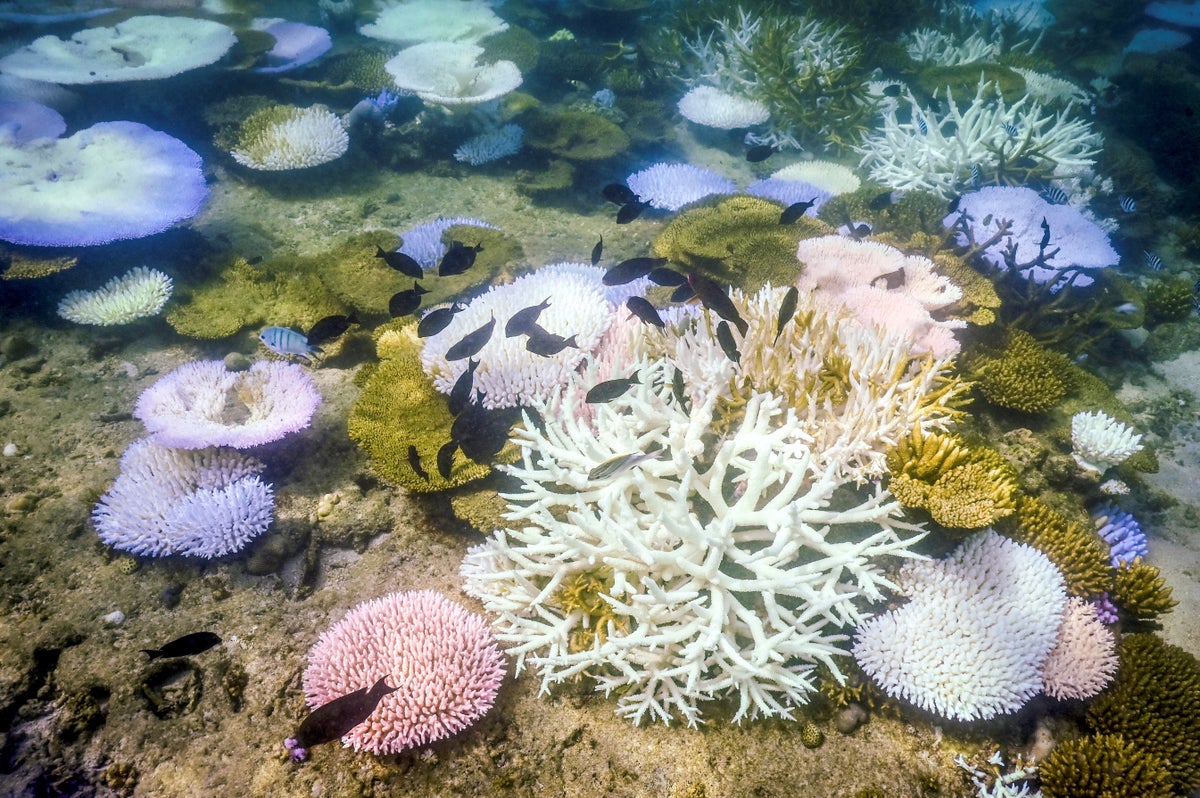
The emissions in our atmosphere are at work, heating the planet, acidifying our oceans, and leading to climate-fueled disasters: heat waves, fires, flooding, droughts, and storms. For some climate impacts, devastation can be followed by the painstaking work of recovery. But for many natural systems, like our tropical coral reefs, the stress we are putting on them is reaching the realms of permanent decline and ultimate collapse.
Environment
fromAxios
5 months agoHere's what would make Bill Gates support dimming the sun to stop climate change
The big picture: Solar radiation management - reflecting more of the sun's energy back into space - is a subset of geoengineering that's shifting from fringe science and conspiracy theory into mainstream policy debate. How it works: Solar radiation management, or solar geoengineering, aims to cool the planet by reflecting sunlight. The most-discussed method involves injecting sulfuric-acid particles into the upper atmosphere, mimicking the cooling effect of volcanic eruptions.
Environment
fromwww.theguardian.com
6 months agoRemoving CO2 from atmosphere vital to avoid catastrophic tipping points, leading scientist says
Removing carbon from the atmosphere will be necessary to avoid catastrophic tipping points, one of the world's leading scientists has warned, as even in the best-case scenario the world will heat by about 1.7C. Johan Rockstrom of the Potsdam Institute for Climate Impact Research, who is one of the chief scientific advisers to the UN and the Cop30 presidency, said 10bn tonnes of carbon dioxide needed to be removed from the air every year even to limit global heating to 1.7C (3.1F) above preindustrial levels.
Environment
fromwww.theguardian.com
6 months agoChange course now': humanity has missed 1.5C climate target, says UN head
Let's recognise our failure, he told the Guardian and Amazon-based news organisation Sumauma. The truth is that we have failed to avoid an overshooting above 1.5C in the next few years. And that going above 1.5C has devastating consequences. Some of these devastating consequences are tipping points, be it in the Amazon, be it in Greenland, or western Antarctica or the coral reefs. He said the priority at Cop30 was to shift direction:
Environment



[ Load more ]