World politics
fromThe Cipher Brief
22 hours agoWhile the U.S. Focuses on Iran, Russia and China See Strategic Gain
Russia and China are leveraging Iran's instability to undermine U.S. influence while securing their own strategic interests.
We have very specific concerns regarding our cooperation, which we want to improve and make fair, said Merz, in an acknowledgement of the strain faced by Germany's manufacturing sector from Chinese competition.
"In the era of great powers, our freedom is no longer a given. It is under threat," said German Chancellor Friedrich Merz at the opening of the Munich Security Conference earlier in February. Merz explicitly mentioned China. "China has the ambition to shape global affairs, laying the foundations for this over many years with strategic patience. In the foreseeable future, Beijing could draw level with the US in terms of military might. China is systematically exploiting the dependencies of others, reinterpreting the international order on its own terms," he said.
China has been flooding Latin American markets with low-priced exports, especially autos and e-commerce goods, as its exporters adjust to U.S. President Donald Trump's tariffs and geopolitical moves. The world's second-largest economy has become a major trading partner for many Latin American nations, seeking access to their abundant natural resources and growing markets while expanding its influence in a region Trump views as America's Backyard.
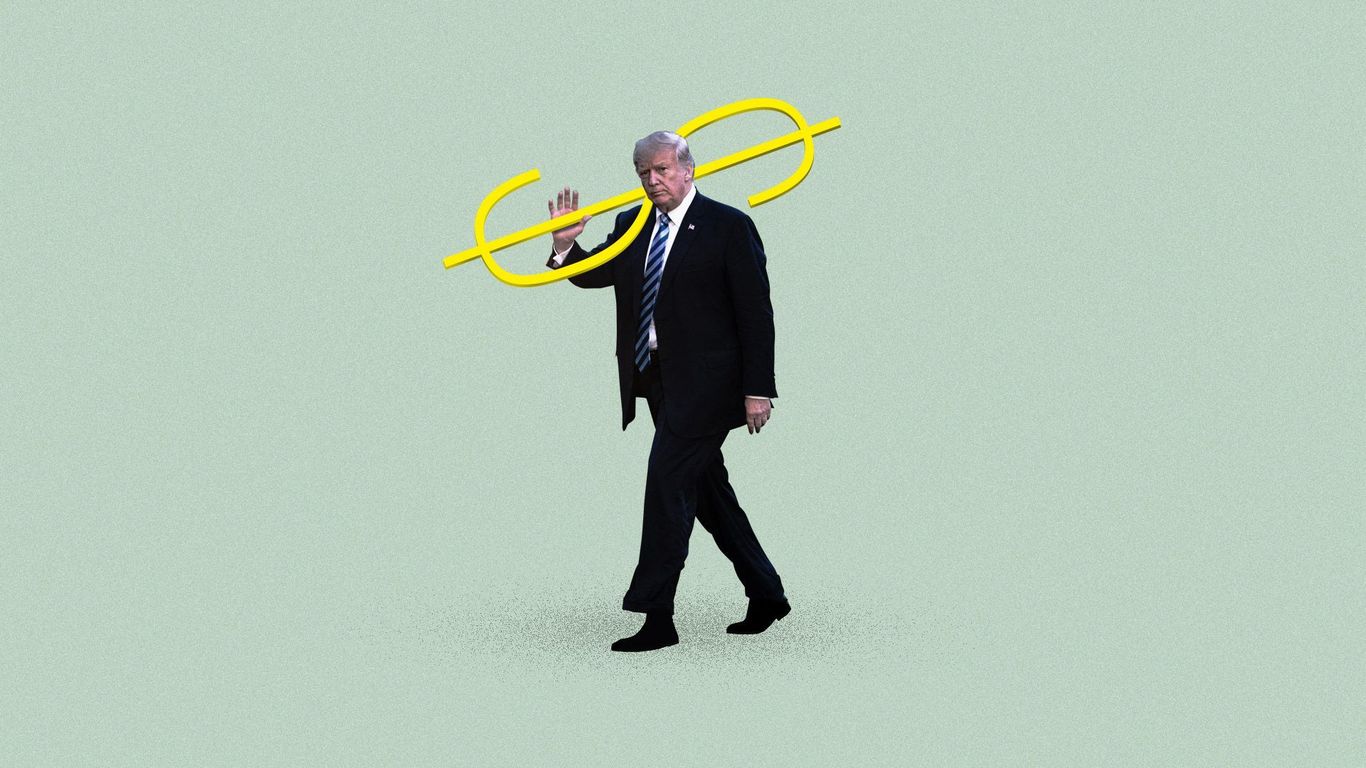
President Trump hates the United States' trade deficit. Indeed, he is so concerned about the "economic and national security risks" the deficit creates that he imposed a tariff regime that raised geopolitical tensions across the globe.The only problem is that his tariffs don't appear to be rebalancing the huge volume of goods and services the U.S. imports, versus its declining exports.
China's official discourse centres on the idea of peaceful rise, the commitment to non-interference in internal affairs, respect for sovereignty and territorial integrity, and economic partnerships based on mutual benefit. Beijing insists that relations with Washington should not slide into conflict, calling for a system of global governance built on cooperation rather than confrontation. Yet the geopolitical landscape reveals a wide gap between this discourse and reality. Donald Trump's return to the White House has brought back rhetorical escalation and increased geopolitical pressure.
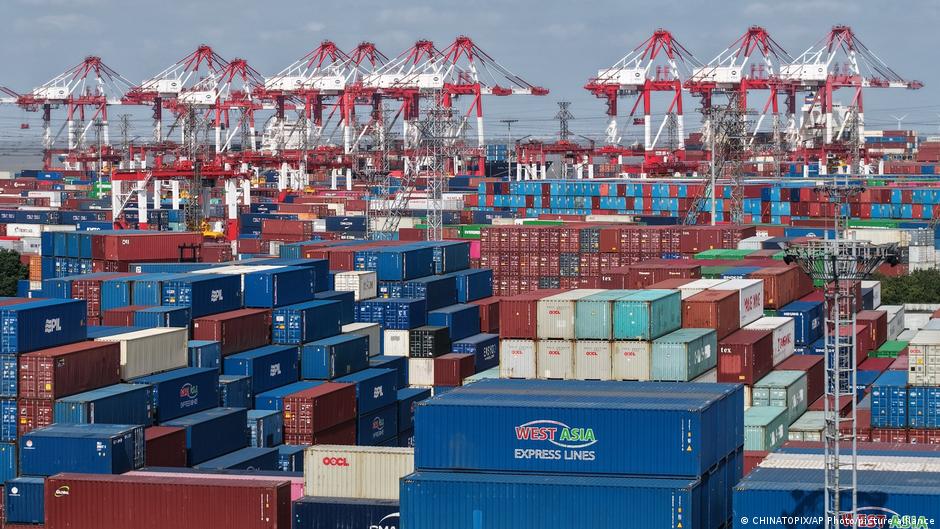
China recorded strong exports in 2025 with a record $1.2 trillion trade surplus, as producers shifted their focus to markets other than the US amid Trump's tariffs. Customs data showed that Beijing's global surplus rose 20% from the previous year, which saw a $992 billion surplus. Exports in 2025 stood at $3.7 trillion and imports at $2.58 trillion, government data showed on Wednesday. The record surplus was aided by a 6.6% bump in exports in the month of December when compared to December 2024,
Stability. Consistency. Ever-changing complexity. With language like that, deployed in separate meetings in three Asian capitals this week, government leaders forged closer ties driven in part by a figure halfway around the world: the president of the United States. And much of the time, they didn't even mention Donald Trump's name. IN BEIJING: The U.K. and Chinese leaders called Thursday for a "long-term, stable, and comprehensive strategic partnership" between their two countries. The important words are long-term and stable. The two countries committed a decade ago to building a comprehensive strategic partnership but progress has been halting at best.
Of all countries, China should appreciate the need to stop Mr. Maduro from smuggling these illicit drugs into the U.S., killing tens of thousands of Americans. China experienced this in the Opium War of 1839-1842, when Great Britain forced opium on China, despite government protestations, resulting in the humiliating Treaty of Nanjing, ceding Hong Kong to Great Britain. Mr. Maduro was violating U.S. laws, in a conspiracy to aid enemies and kill innocent Americans.
A decade ago, China's political leaders laid out an ambitious industrial plan: By 2025, they pledged, their country would be a world capital, with the goal of moving from "Chinese speed to Chinese quality, the transformation of Chinese products to Chinese brands." This is the difference, they wrote, between "Made in China" and "Created in China." At WIRED, we never take what the government (ours or anybody else's) says at face value.