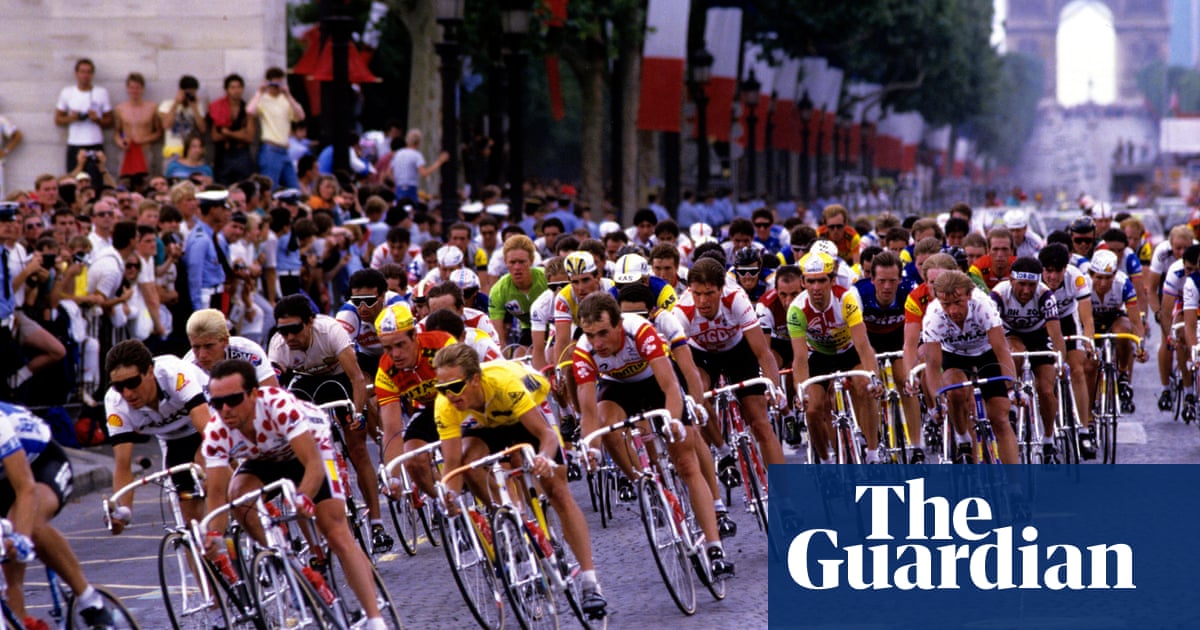
Corentin Roudaut, who once felt overwhelmed by Paris's traffic, found renewed confidence in cycling after the establishment of a segregated bike lane on Boulevard Voltaire. He now actively participates in promoting cycling in the city, witnessing a remarkable transformation in urban mobility and safety over the last decade.
They let us shoot in places people weren't allowed to normally, like Marie Antoinette's private theater. They were like, 'This is your home.' The Versailles exhibition will screen several scenes from Coppola's film in the very rooms where they were staged, highlighting the deep connection between these storied grounds and her acclaimed creation.
Past a sign for a family waterpark, a door opens onto an homage to fin-de-siècle Paris. Chandeliers are reflected in gilt-edged mirrors; there is a chorus line of lobsters and yards of fromage. Every so often, a waiter in a dinner suit flambées a crepe Suzette with a shock of flames, like a big top fire-eater. This is fine dining as buffet.
It's a travel moment we've seen time and time again in the movies: opening up a grand set of French windows, stepping onto a wrought iron terrace, and gasping at a view of la tour Eiffel. While you might be hard-pressed to find a hotel room with an Eiffel Tower view that actually matches the picture, it's a bit easier to sniff through the fake on Airbnb.
Paris didn't invent shopping (even if it sometimes feels that way), but it arguably invented the specialty shop as we understand it today. Long before concept stores, lifestyle retail, or anything resembling "curation" entered the vocabulary, Paris was already organized around doing one thing extremely well -and it still is. From cheesemongers to winemakers and beyond, specialization remains the point.
Eugène Atget's images of the city reminded me of when I first came across the turn-of-the-century French photographer's work in a book called 'A Vision of Paris' (1963), which paired more than a hundred of Atget's photographs with passages from Marcel Proust's 'In Search of Lost Time,' and I couldn't quite see them for what they were. There was something about the preciousness of juxtaposing Atget's gorgeous golden prints with Proust's gorgeous language that made me feel as if I were suffocating under all those foulards, drapes, and aesthetics.
While neutral colors form the timeless base of most Parisian wardrobes, warmer weather calls for bolder pops of color-and on a recent two-week trip to France, I noticed a bright poppy red hue blooming all over the capital city in the form of cozy cardigans, woolly scarves, and chic ballet flats. I immediately sought out the sunny shade, and soon found it mirrored everywhere from brasserie booths to café terrace tables
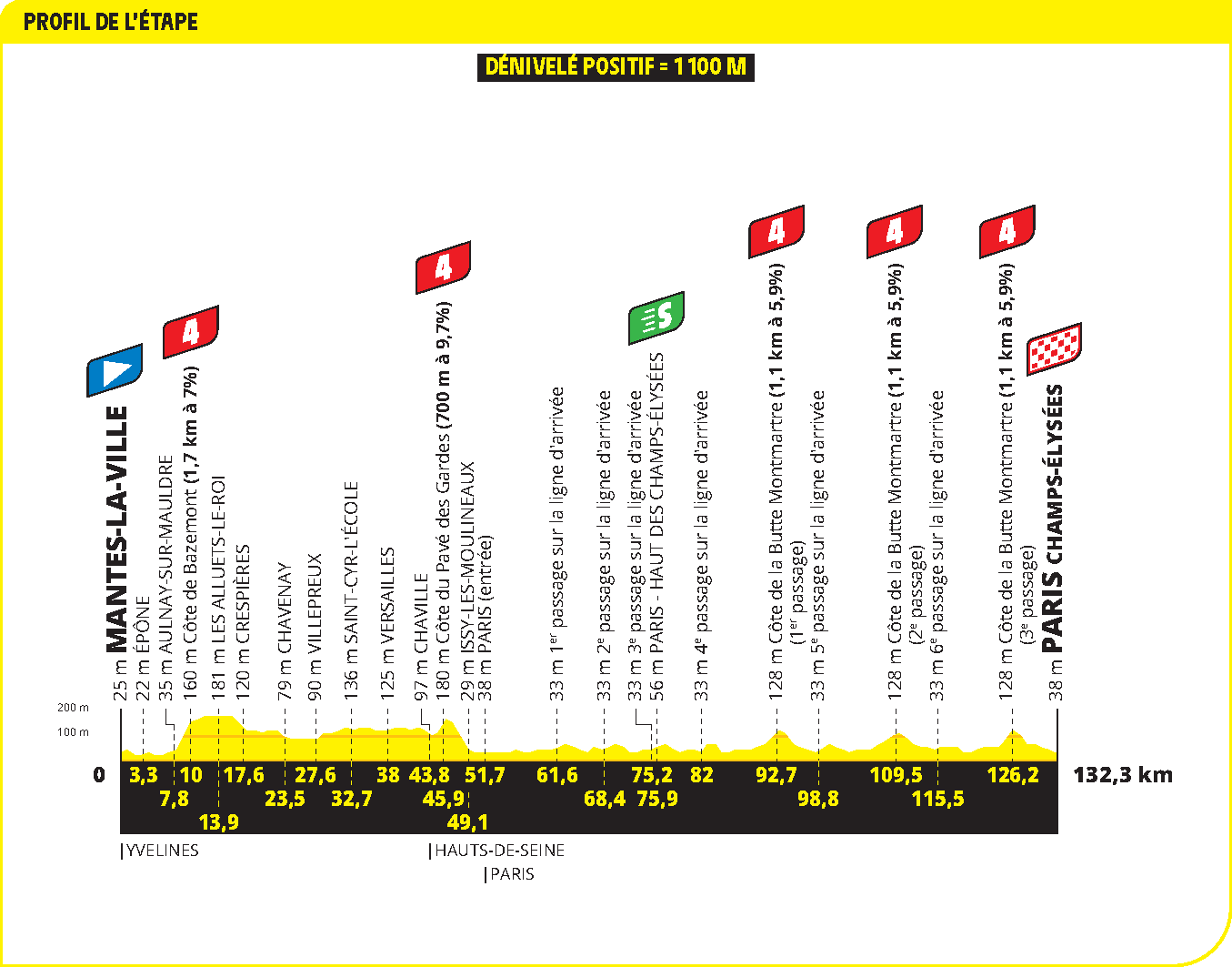
Once an independent commune, Montmartre was absorbed into the city limits of Paris in 1860, but the hilltop village has always retained a distinct sense of self. Famed for its religious, artistic, and at times seedy history, the neighborhood has drawn the likes of Picasso, Renoir, and hopelessly devoted Francophiles like myself with its bucolic charm, iconic lampposts, steep steps, and panoramic views.
Belleville has always been a little bit rowdy, whether it meant to be or not. Long before it was folded into Paris in 1860, it existed as its own working-class wine village perched on a hill, slightly removed from the city both geographically and ideologically. In recent years, as Paris's 10th and 11th arrondissements have slid fully into hipster territory, and even the gritty Barbès neighborhood feels increasingly polished, Belleville has held onto its identity with surprising resolve.
The streets around the Louvre have improved considerably as a dining destination. It's still true that the neighborhood rewards those who know where to look - the blocks immediately adjacent to the museum are thick with tourist traps - but a short walk in almost any direction opens up genuinely good options.
In reality, most French people do not spend their summers chasing iconic landmarks or ticking destinations off a bucket list. Their idea of a successful vacation is quieter, slower, and often much closer to home. Rather than Paris or Saint-Tropez, they favor rural regions, discreet coastlines, forested hills, and mid-sized towns where life moves at a gentler pace, often staying in family homes, rented gîtes, camping sites, or small guesthouses.
At the official launch last November, the current culture minister Rachida Dati described the imperative behind the programme as not just celebrating an uncommon visionary but the "burning relevance" of his legacy: "a commitment to continuing to nurture this demanding idea of what culture is".
The public observation deck at the top of the Tour Montparnasse, long considered one of the most debated additions to the Parisian skyline, is set to close on March 31, 2026, ahead of a major redevelopment of the tower and its surrounding complex. Completed in 1973, the 210-meter structure has remained the only skyscraper within central Paris for decades, frequently criticized for its scale and contrast with the historic cityscape.