Craft is often defined as skill in making things by hand, but this interpretation is being challenged by AI. Craft transcends physical interaction; historical figures like Mozart and Beethoven exemplify mastery without traditional methods.
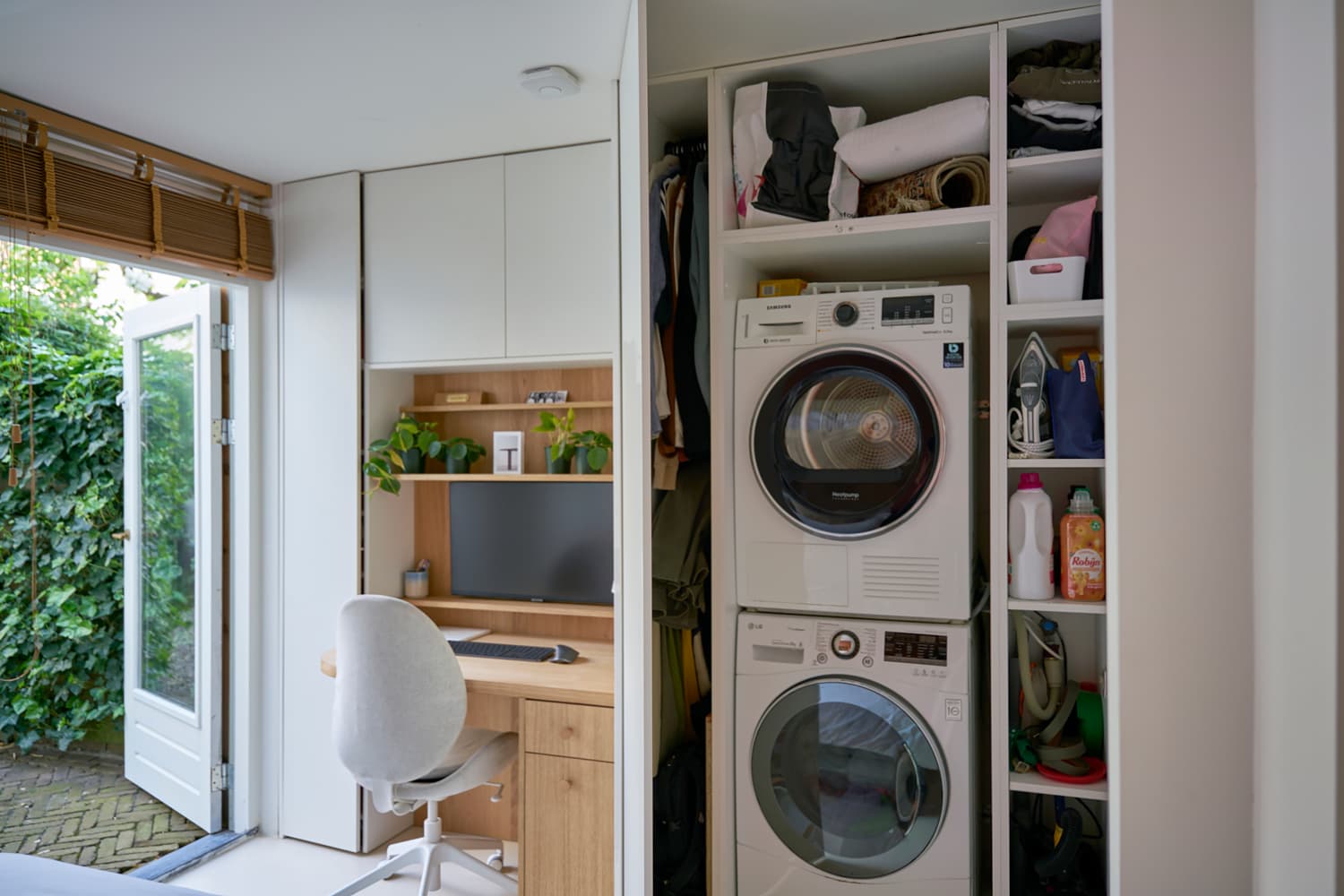
"I wanted a space that needed renovating but wasn't a total gut job. They have so much potential. In my opinion, they are more worth the bang for your buck than the modern cookie-cutter new builds because you can customize it exactly how you want it and still end up spending less."
Architecture Office founder Alexander Mackison and glass artist Juli Bolaños-Durman had something of a creative meet-cute. The two became acquainted while running a lecture series at Custom Lane, a collaborative center for designers and makers in Edinburgh, where they both have studios. They remained friendly, so Alexander eventually learned of Juli's plans to renovate an apartment nearby. "Just through casual conversations, I became integrated into the project," he remembers.
You know that feeling when you run your fingers across something and the texture makes you stop in your tracks? That's exactly the vibe British furniture maker Nick James is going for with his sideboard featuring sculpted doors. And honestly, it's the kind of piece that makes you rethink what furniture can be. At first glance, it looks like a solid oak sideboard. Clean lines, classic proportions, nothing too flashy.
How did a material conceived for bridges, factories, and large-scale structures make its way to the living room bench, the apartment bookshelf, the café table? For centuries, metal was associated with labor, machinery, and monumentality-from the exposed structures of 19th-century World's Fairs to the productive logic of modern industry. Its presence in domestic interiors is not self-evident but rather a cultural achievement: the transformation of an industrial material into an element of everyday, intimate use, in close proximity to the body.
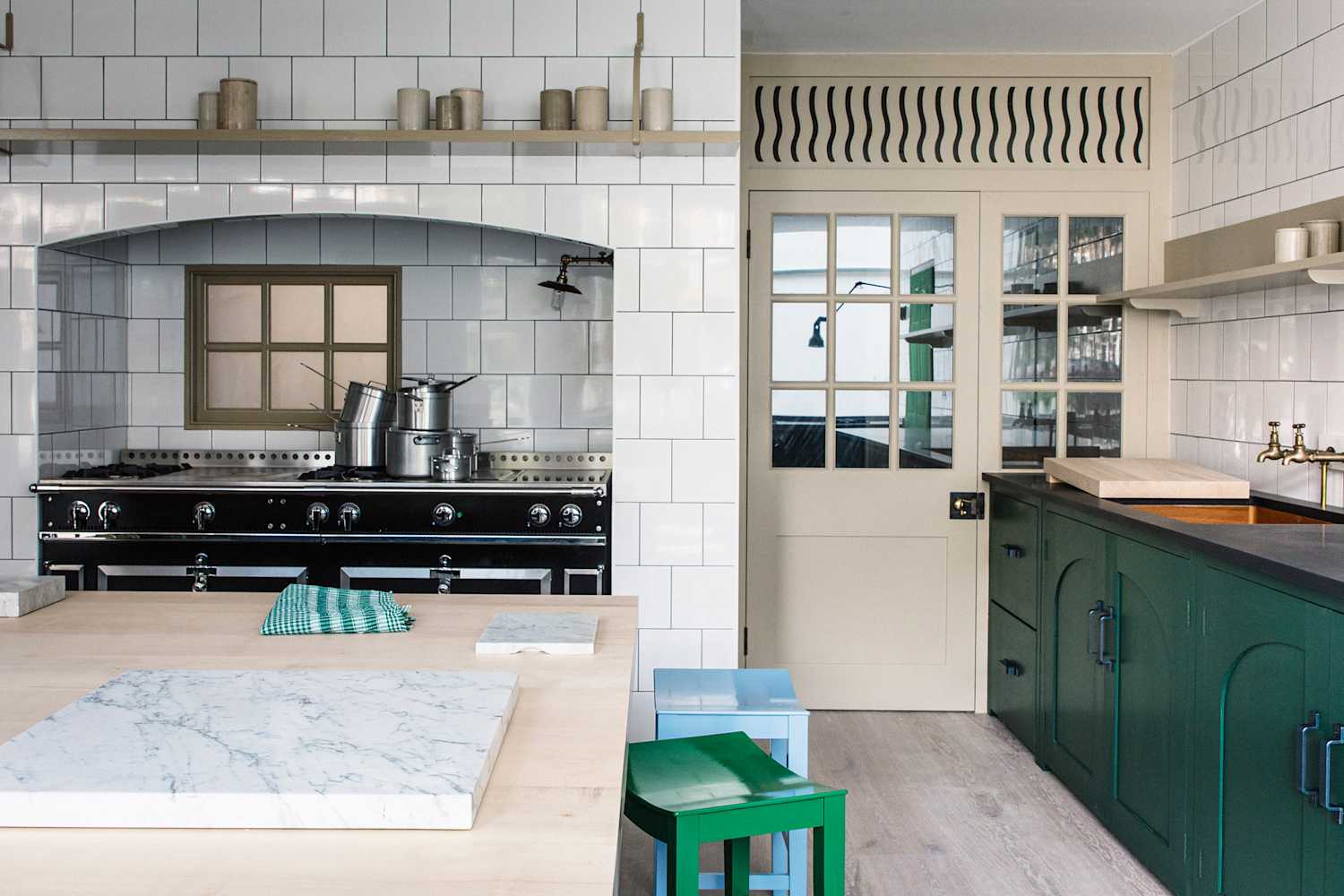
The gloss and color-pop of lacquer is a refreshing alternative - it achieves a playful vibrancy with modern sophistication. There are plenty of perks that come with lacquer finishes, too. For one thing, lacquer can be applied almost anywhere, from an accent kitchen island to your dining table to the material for all of your counters and cabinets. It introduces and strengthens the room's color scheme, also contributes some fresh texture with its sleek, shiny finish.
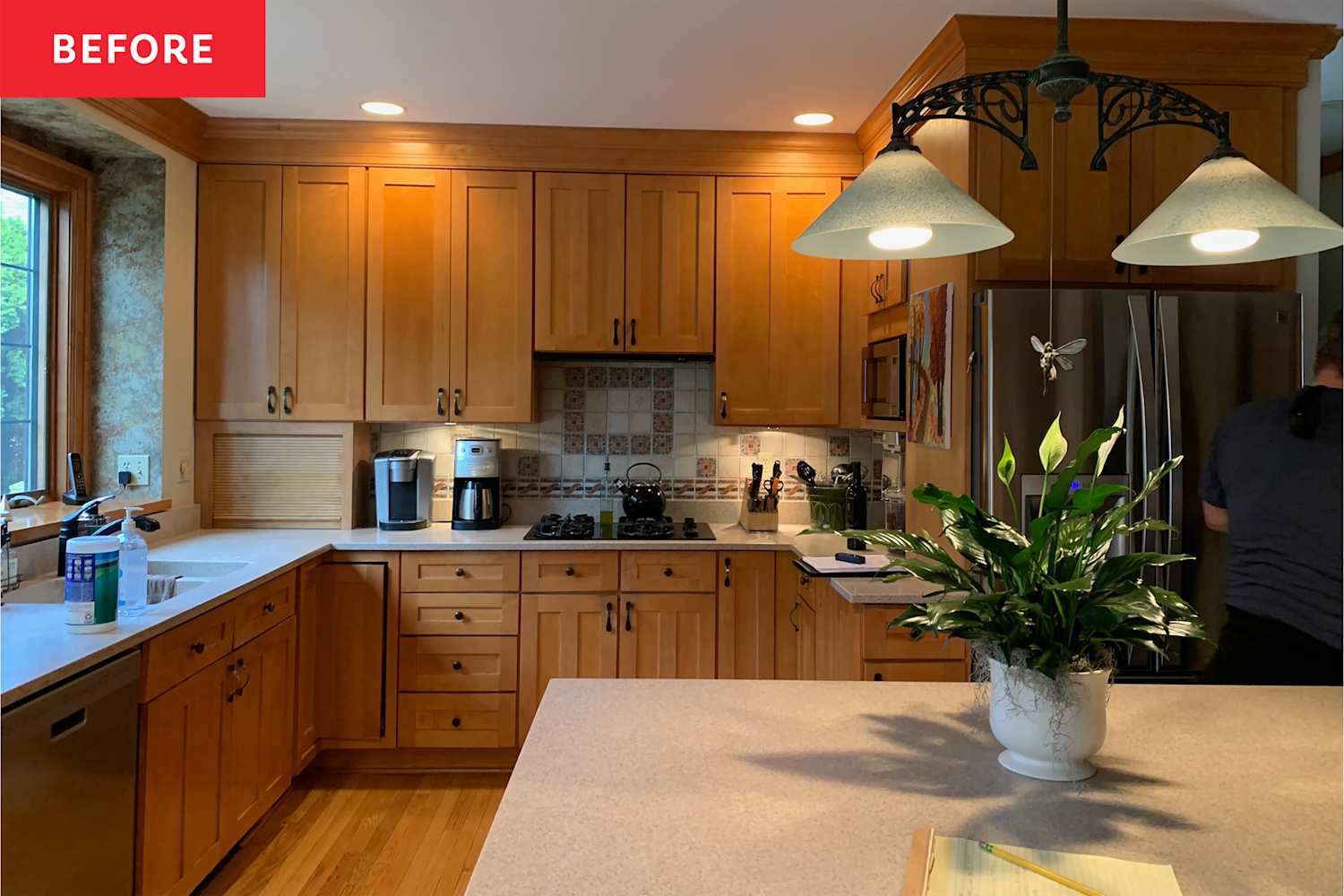
Mixing wood tones can be a bold and rewarding design choice, but the potential for unseemly clashing is real. With a room as important as your kitchen, you want the space to feel inviting, stylish, and functional all at once. Before diving head-first into mixed wood tones, research the different ways to avoid a potentially ugly contrast. Kitchen flooring, backsplashes, cabinets, countertops, and even light fixtures all have the potential to be transformed with a wooden facelift.