#budget-style
#budget-style
[ follow ]
#affordable-fashion #amazon-finds #amazon #fall-fashion #fashion #spring-wardrobe #chic-clothing #travel-fashion
:max_bytes(150000):strip_icc()/tal-amazon-pieces-that-look-expensive-tout-057e3b0999f34dc4977275aa96cf3601.jpg)
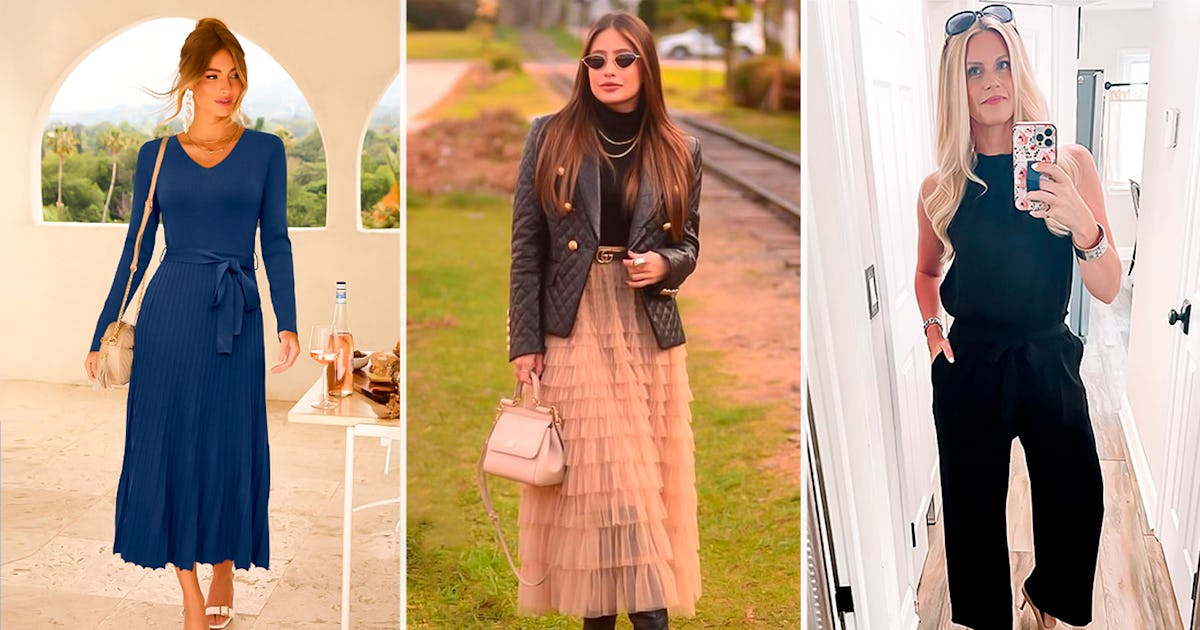
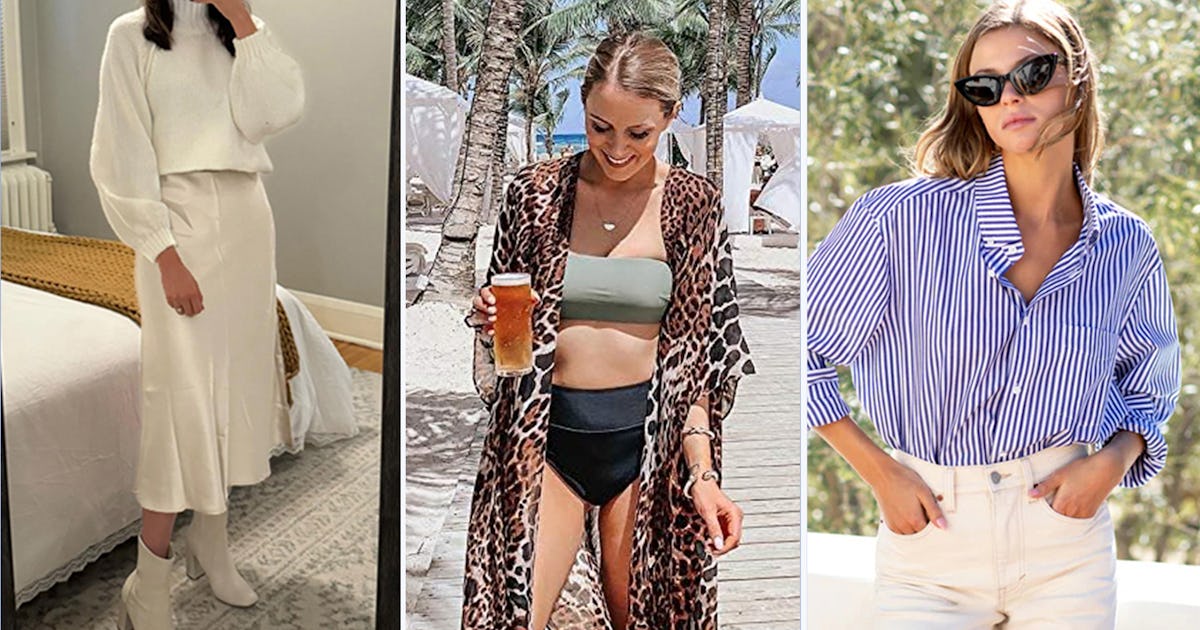
fromTravel + Leisure
2 months ago5 Comfy Airport Outfits That Replaced My Worn-out Travel Looks-All Under $100 at Amazon
Swap your pilling sweatpants for $20 stretchy wide-leg trousers, ditch the bulky hoodie for ultra-soft $15 crewneck sweaters, and stop drowning in oversized jackets when you could opt for more lightweight layers like a denim shirt jacket or blazer for $50 or less. Amazon is a goldmine for these elevated essentials, and at prices that feel too good to be true.
Fashion & style
fromTravel + Leisure
4 months ago10 Cozy Turtleneck Sweaters From Amazon That Are Timeless, Perfect for Travel-and Under $50
Winter is the season of layering, and there's no piece better suited for the job than a good turtleneck. The timeless style staple is a sartorial chameleon, and it looks just as perfect on its own as it does layered beneath a chunky knit or fuzzy vest. If you haven't been giving your basics collection the TLC it deserves, now's your chance as we've uncovered a trove of well-made turtlenecks under $50 at Amazon that will become the cornerstone of your winter travel wardrobe.
Fashion & style
:max_bytes(150000):strip_icc()/tal-what-to-buy-what-not-to-buy-for-fall-tout-2a2720272e8c4b77b0e7cb260be08b9f.jpg)
:max_bytes(150000):strip_icc()/tal-amazon-roundup-im-retiring-my-summer-packing-list-tout-c4b65dca47ef4fe6bdb12f11c22e102e.jpg)
fromBustle
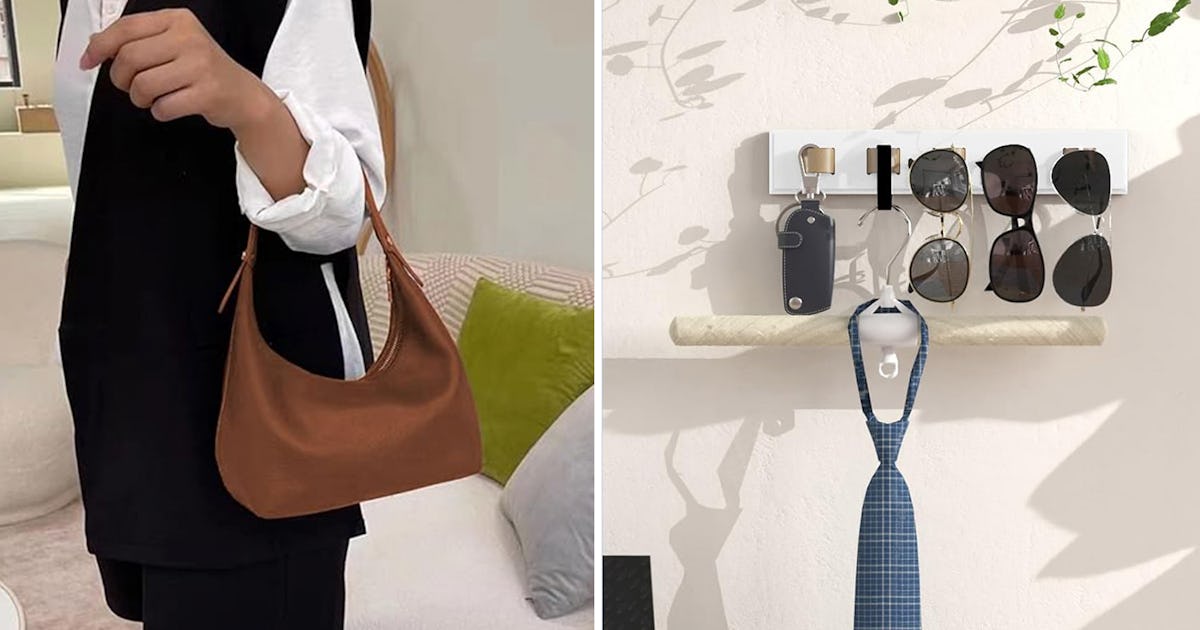
7 months agoCheap Travel & Everyday Accessories With Bougie Vibes You'll Want To Flex
Good news: you can absolutely fake it till you make it, thanks to these ultra-affordable, straight-up bougie accessories that scream 'I have my life together' without screaming at your wallet. From TSA-flex luggage to James Bond-level wallets, from secret agent bra pouches to makeup bags that finally get your beauty stash in check, this list is a love letter to the little upgrades that make your life feel (and look) seriously luxe.
Fashion & style
fromBustle
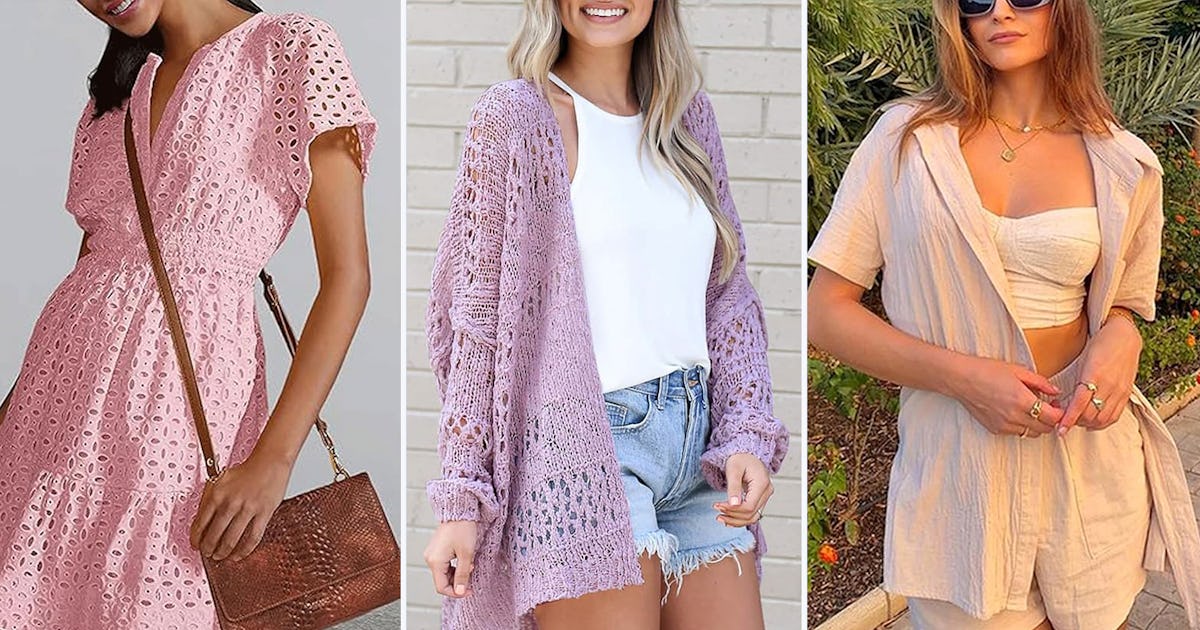
7 months ago55 Bougie Ways To Upgrade Your Wardrobe For Under $35 On Amazon
The vast majority of my clothing comes from Amazon, and people are always shocked when I tell them that. While it may not be the most obvious destination for chic, sophisticated pieces, these outfits and accessories mimic designer vibes, serve tailored luxury, and look way more expensive than they actually are. Need proof? Check out these bougie ways to upgrade your wardrobe for less than $35 and be prepared for the compliments to roll in.
Fashion & style
[ Load more ]