#bipartisan-negotiations
#bipartisan-negotiations
[ follow ]
fromwww.npr.org
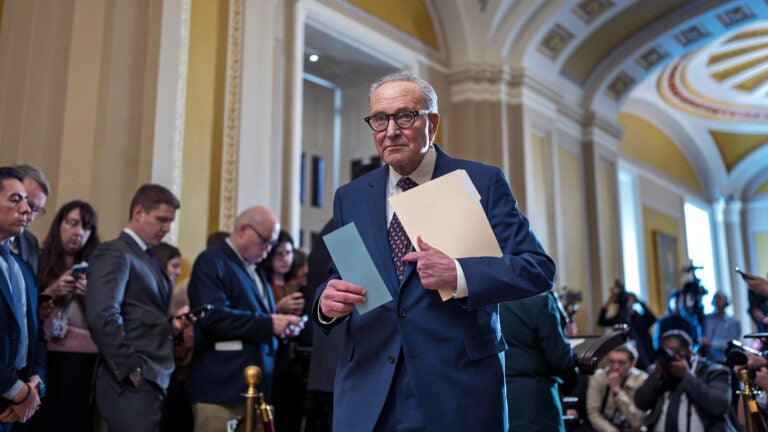
2 months agoSNL mocked her as a 'scary mom.' In the Senate, Katie Britt is an emerging dealmaker
The American dream has turned into a nightmare for so many families. Standing in as her party's pick to rebut the president, ahead of his reelection bid no less, is a daunting task for any up-and-coming politician, but even some Republicans described Britt's performance with words like baffling and bizarre.
US politics
fromwww.npr.org
3 months agoA bipartisan effort to save health subsidies failed. Will ICE reform be different?
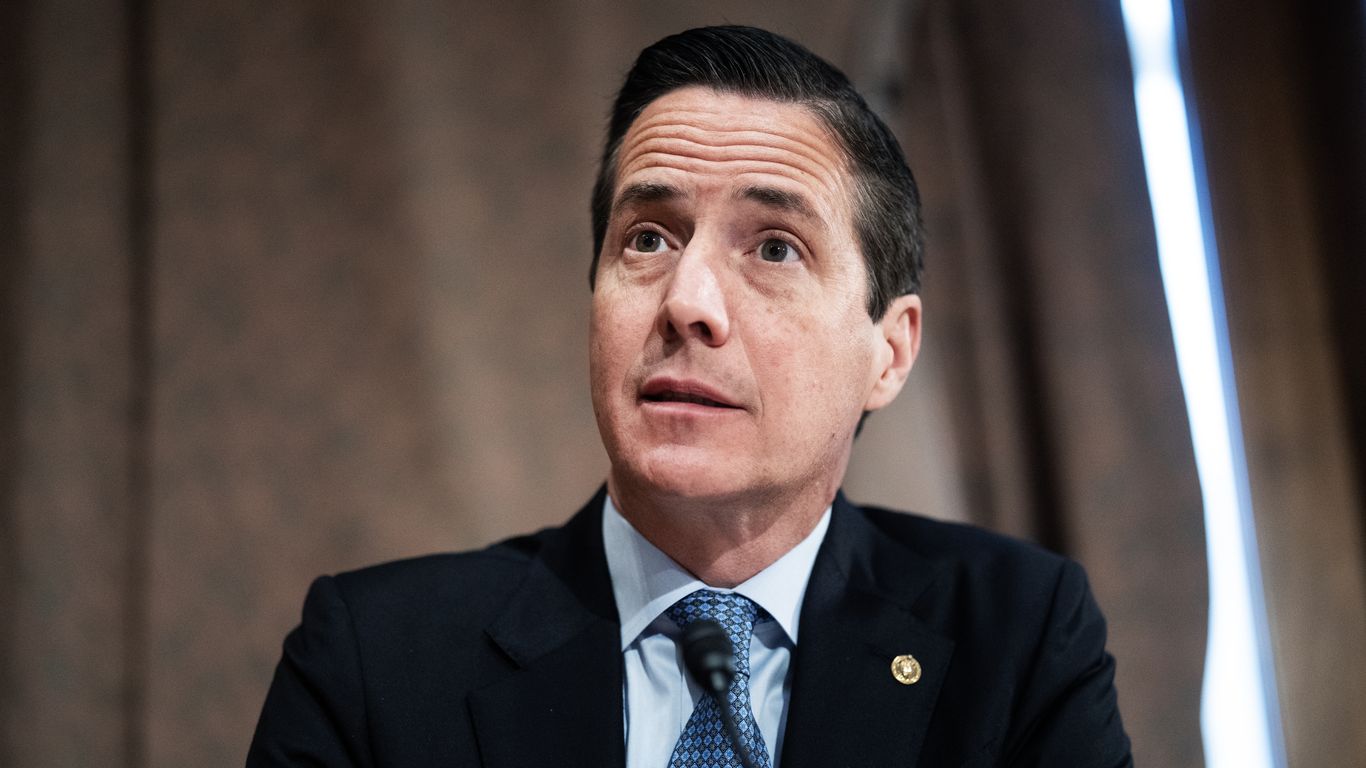
A month ago, Sen. Bernie Moreno, R-Ohio, was projecting confidence that a bipartisan group of lawmakers was nearing a deal to restore lapsed health insurance subsidies. The enhanced Affordable Care Act subsidies expired at the end of last year, despite a majority of Americans in favor of Congress renewing them, according to polling from the nonprofit KFF. "We're in the red zone," Moreno told reporters. "But that does not mean a touchdown. It could mean a 95-yard fumble."
US politics
US politics
fromwww.twincities.com
3 months agoHow abortion coverage threatens to prevent a congressional deal on health care subsidies
Bipartisan lawmakers support reviving expired federal health-care subsidies, but abortion coverage disputes threaten compromise and could leave millions facing higher premiums.
fromwww.mediaite.com
5 months agoAnnoyed Rebecca Quick Rolls Eyes at Jeffries In Tense Battle
Quick noted that Reps. Tom Suozzi (D-NY) and Don Bacon (R-NE) pitched a two-year extension to avoid an end-of-the-year deadline that would see millions of people hit with rising health insurance costs. Quick argued Democrats would need to agree to something like a one-year or two-year extension instead of pushing for more. If you want to get done, you are going to need at least some Republicans to come over, why not start with a one-year extension or potentially even a two-year extension?
US politics
fromAxios
6 months agoHouse Democrats plot to bypass Mike Johnson in effort to salvage shutdown deal
A discharge petition forces a vote on any piece of legislation if it is signed by 218 House members, effectively giving the minority party the power to bypass the majority on bipartisan bills. Democrats have 214 members in the House, meaning four House Republicans would have to sign on even if they get all their members to do so. Driving the news: House Minority Whip Katherine Clark (D-Mass.) and Leader Hakeem Jeffries (D-N.Y.) announced the strategy
US politics
US politics
fromwww.theguardian.com
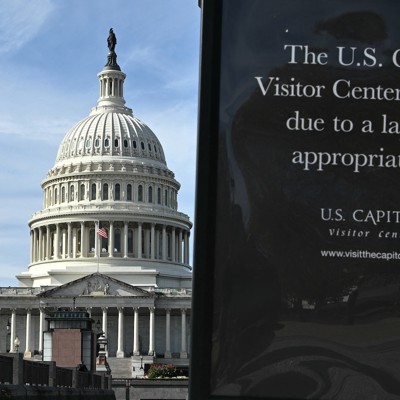
6 months agoSenate advances funding bill to end longest US government shutdown in history
Senate narrowly advanced a funding compromise to reopen government and reverse some layoffs but excluded expiring Affordable Care Act premium subsidies, prompting Democratic opposition.
fromAxios
6 months agoEmboldened Democrats push to prolong government shutdown
What to watch: Senate appropriators are hustling to finish language on a three-part appropriations package, with text expected to be released as soon as Thursday evening, sources tell Axios. It's a key part of Republicans' latest offer to Democrats, which includes: Passing a stopgap funding continuing resolution until at least December 19th (final date TBD). Fully funding military construction, Veterans Affairs, the Agriculture Department and the legislative branch through the next fiscal year - taking programs like WIC and SNAP out of the shutdown equation. A promise of a vote on some kind of bill to extend the expiring Affordable Care Act subsidies - the exact substance of which is still a major question mark.
US politics
fromAxios
7 months agoSenate rejects 11th-hour government funding bill
The final vote was 55-45, short of the 60 needed "yeses." Sen. Rand Paul (R-Ky.) voted with Democrats against the measure, while Sens. John Fetterman (D-Penn.), Catherine Cortez Masto (D-Nev.) and Angus King (I-Maine) voted with Republicans. Zoom in: The Senate also rejected Democrats' alternative stopgap spending bill proposal, which would extend Affordable Care Act enhanced subsidies and prevent President Trump from clawing back appropriated funds.
US politics
[ Load more ]