The new work was less notable for showing that we had found these bases in Ryugu than for solving a previous mystery: earlier studies had failed to detect them there, despite their presence in many other asteroid samples.
My prediction is based on only two assumptions. First, our visitors from space can die; they are not immortal. Second, they care about each other. When one of their own dies, they mourn them, just as humans do. These assumptions, I think, will have led these aliens to invent gods and a belief in the afterlife. Belief in the afterlife, where we defeat death and are reunited with loved ones who have died, is the basis of all past and current religions.
This system is truly extraordinary. We are seeing the radio equivalent of a laser halfway across the universe. This galaxy acts as a lens, the way a water droplet on a window pane would, because its mass curves the local space-time. So we have a radio laser passing through a cosmic telescope before being detected by the powerful MeerKAT radio telescope.
If a signal gets broadened by its own star's environment, it can slip below our detection thresholds, even if it's there, potentially helping explain some of the radio silence we've seen in technosignature searches. This statement from Dr. Vishal Gajjar highlights how stellar environmental factors may cause detectable signals to become invisible to current SETI instruments.
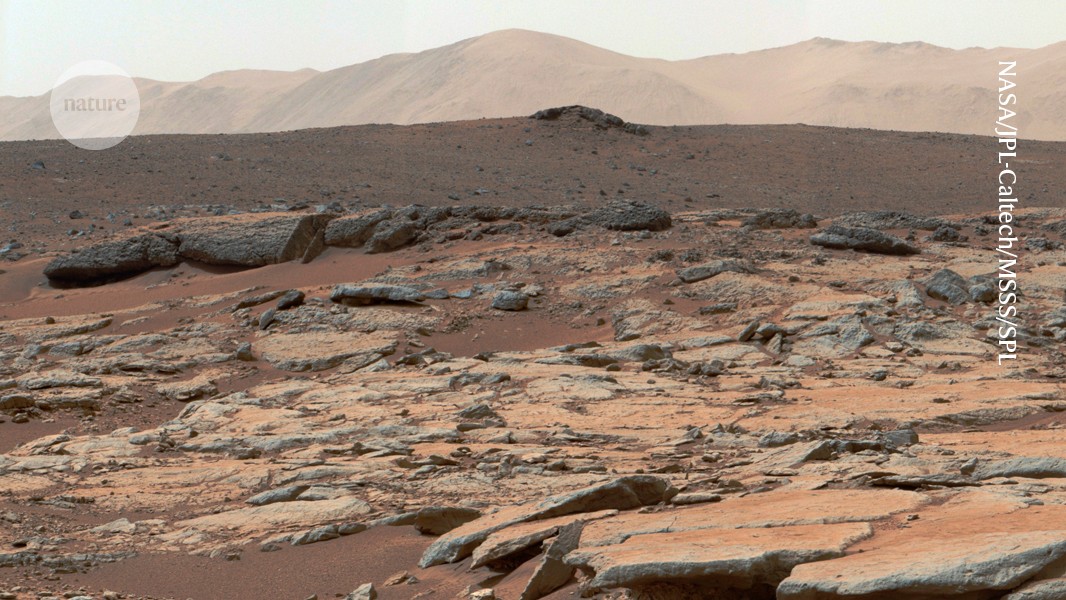
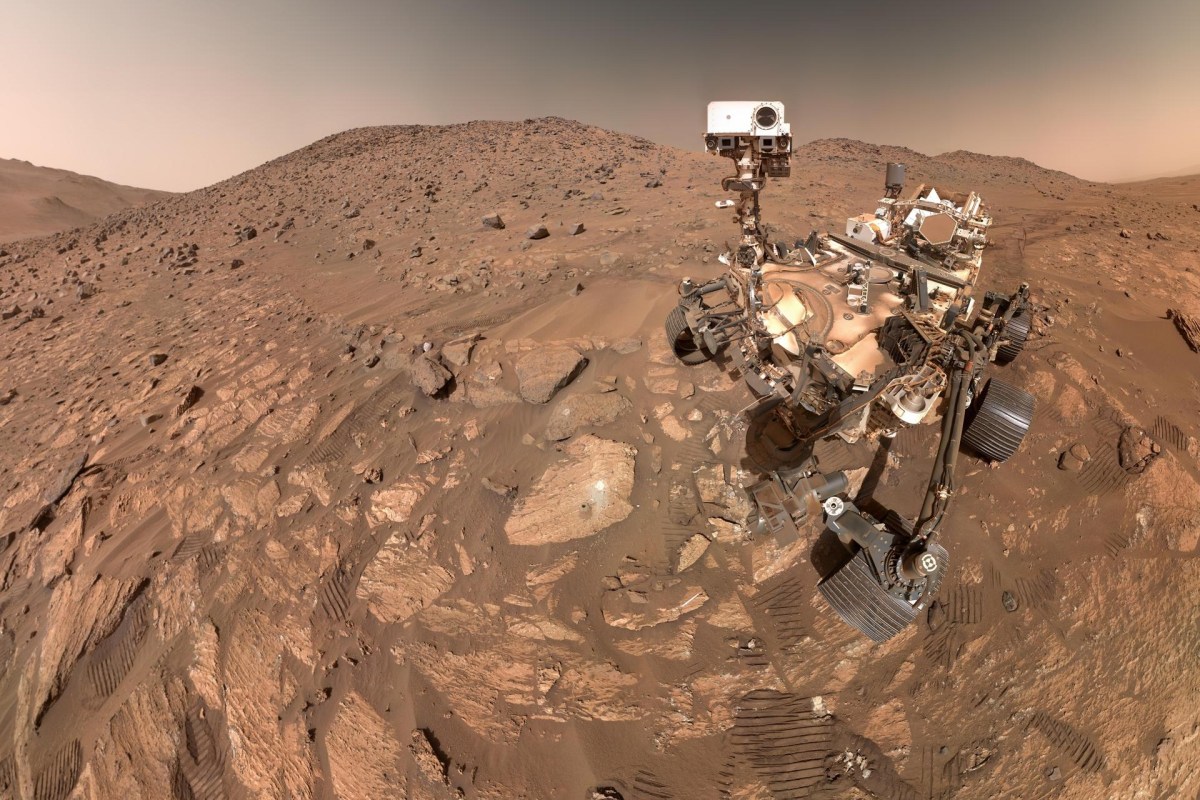
We found that life is more likely to survive an asteroid impact, so it's definitely still a real possibility that life on Earth could have come from Mars. Maybe we're Martians! The idea that life could have spread through the solar system or even the universe on rocks is known as the lithopanspermia hypothesis.
It's a plant! It's a fungus! It's... an entirely new type of lifeform hitherto unknown to science? That appears to be the case for a puzzling, spire-shaped organism that lived over 400 million years ago, according to a new study published in the journal Science Advances. After analyzing its internal structures, the authors argue that the mystifying ancient beings known as prototaxites don't belong to any of the existing biological kingdoms.
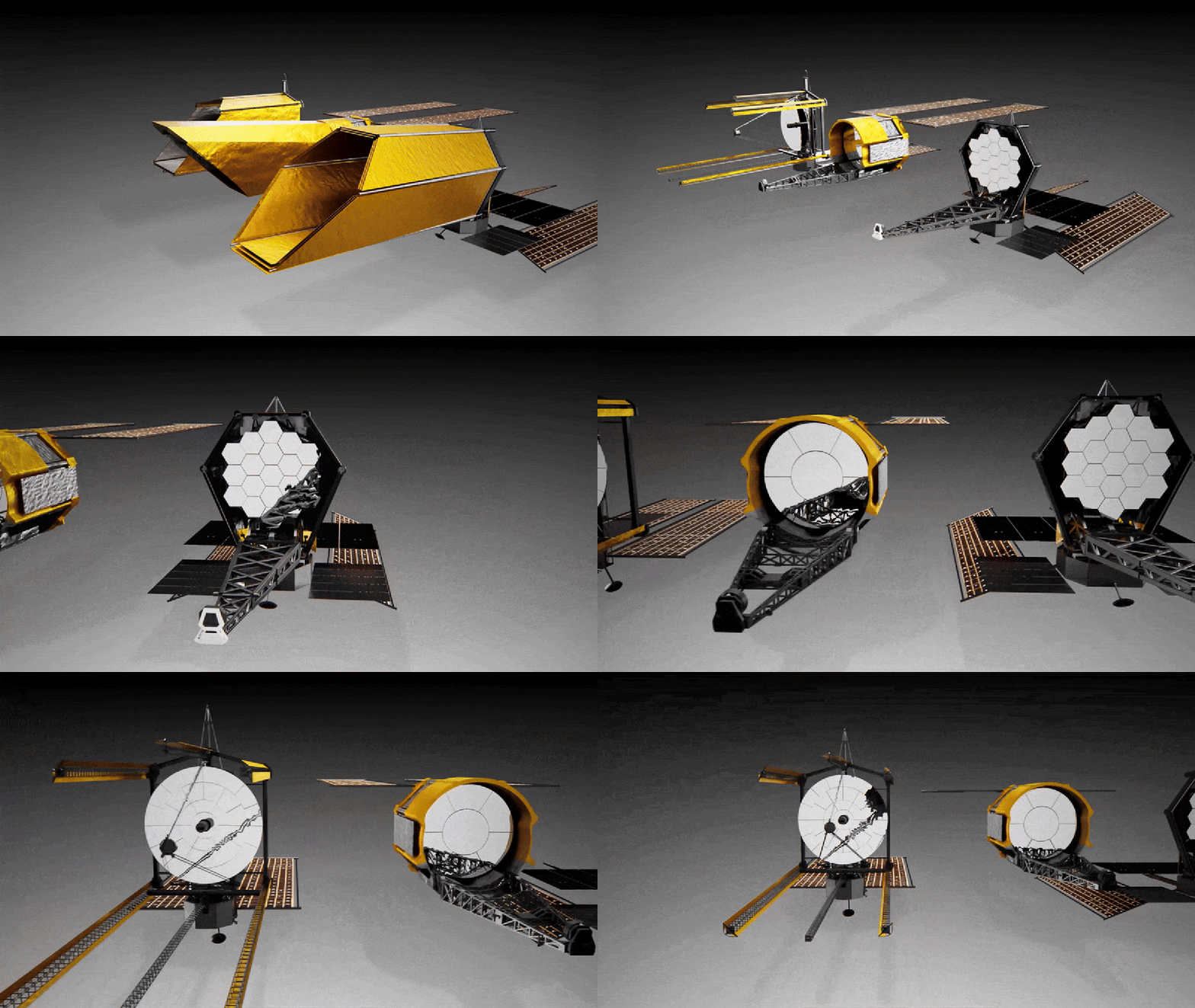
For example, reader David Erickson had this on his mind: If there were aliens 66 million light-years from Earth, how big a telescope would they need to see dinosaurs? Ha! I love this question. I've thought of it myself but never worked out the mathexcept to think, Probably pretty big, which turns out to dramatically underestimate the actual answer.
On May 5, 1961, Alan Shepard became the first American in space. However, three months earlier NASA had launched "Number 65" on a mission that helped pave the way for Shephard's momentous flight. Number 65 was a male chimpanzee born in 1957 in the French Cameroons in West Africa. After being captured by trappers, he was sent to a rare bird farm in Florida.