#benin
#benin
[ follow ]
#coup-attempt #africa-cup-of-nations #presidential-election #patrice-talon #afcon-2025 #romuald-wadagni #egypt








fromCageside Press
4 months agoPFL Africa Finals 2025 Full Results
On Saturday, the inaugural PFL Africa season would come to a close, with the Professional Fighters League crowning four regional tournament champions. Bantamweight, featherweight, welterweight, and heavyweight tournaments were wrapping up, with 135lb'ers Nkosi Ndebele and Boule Godogo headlining the event, which saw the promotion making its debut in the nation of Benin, its third African country visited following South Africa and Rwanda.
MMA

fromwww.aljazeera.com
5 months agoNigeria says it deployed troops to Benin to dislodge coup plotters'
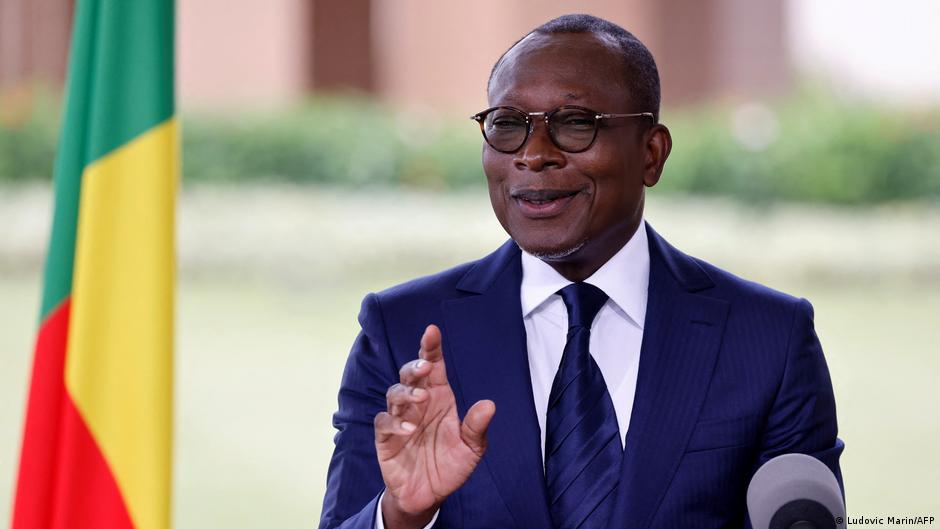
Tinubu praised his troops and said they had helped stabilise a neighbouring country. The Nigerian statement came shortly after Talon, the president of Benin, appeared on national television and said his security forces had successfully blocked the attempt to overthrow his government. Talon said forces loyal to him stood firm, recaptured our positions, and cleared the last pockets of resistance held by the mutineers.
World politics
World news
fromwww.aljazeera.com
5 months agoBenin coup attempt live: Soldiers on state TV claim to have toppled Talon
Soldiers announced removal of President Patrice Talon and dissolution of all state institutions, declaring a Military Committee for Refoundation and appearing on Benin state television.
fromwww.aljazeera.com
7 months agoNigeria vs Benin: World Cup qualifier start time, team news and lineups
The Super Eagles' task is momentous: Benin lead them by three points and by two on goal difference, making the fixture a must-win for the Nigerians if they want to have any chance of qualification, either as the group winners or as the runners-up who could potentially compete in November's interconfederation playoff for a possible 10th African World Cup spot.
Soccer (FIFA)
fromItsnicethat
10 months agoVictor Edeh on finding slowness and presence through the lens
An image that stands out to the photographer is from his encounter with a young woman carrying two of her children - one on her shoulder and the other tied to her back, "all while wearing the biggest, most radiant smile". He describes this moment as deeply human and quietly heroic, capturing the resilience, care, and strength enveloping the series.
Photography
[ Load more ]