That fog of aerosolized cooking vapor drifts upwards, carried by hot air, landing on cabinet surfaces, where it slowly dehydrates into a thin, tacky skin of concentrated fat. Then, over time, as the flotsam of dust bunnies inevitably float through the room, happily colonizing the sticky layer, it builds up, fortifying and refusing to budge with just a reasonable swipe of a sponge.
Every time my mom would bring home loose lavender or chamomile flowers, she would mix two teaspoons of either herb to a half cup of baking soda in a plastic baggie, shake it vigorously to mix, and then sprinkle it all over the living room rug. I was confused the first time I saw her do this, but once she began vacuuming the rug, I could smell the difference.
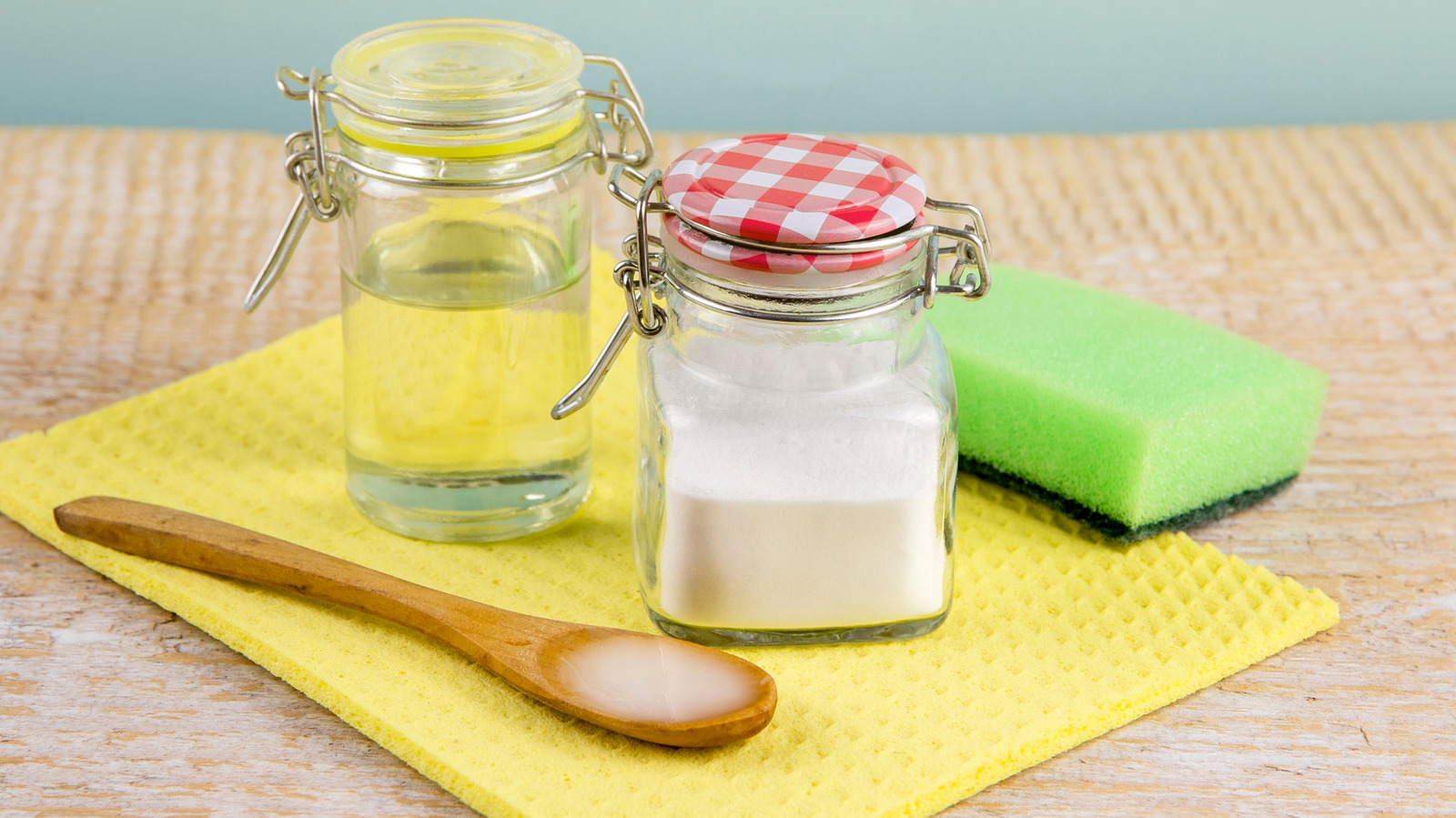
You can use these two pantry staples - vanilla extract and baking soda - either alone or together for an even bigger burst of freshness at a fraction of the cost, without even leaving the house to purchase a new bottle. The vanilla extract and baking soda make a simple DIY air freshener that will have you saying goodbye to the spray cans and hello to a sweet new way of sprucing things up.
Kitchen towels take a beating. Between drying hands, wiping counters, and catching food spills, they quickly absorb odors that don't always come out in the wash. Most people don't launder or change kitchen towels as often as they should. If your towels are still in good shape but carry a lingering unpleasant smell, try baking soda. Instead of throwing your kitchen towels away, this humble pantry staple is a natural deodorizer that helps neutralize smells instead of just masking them.
It's summertime which means a lot of our favorite produce is in season. When it comes to cleaning your fresh fruit, there are so many methods, oftentimes conflicting with one another. There's the vinegar and water method, the vinegar and baking soda and water method, and even specialty products sold specifically for washing fruits and vegetables. But which one is the best?