Remodel
fromApartment Therapy
1 month agoI Ripped Out My Dark '80s Entryway - and Found Exposed Brick
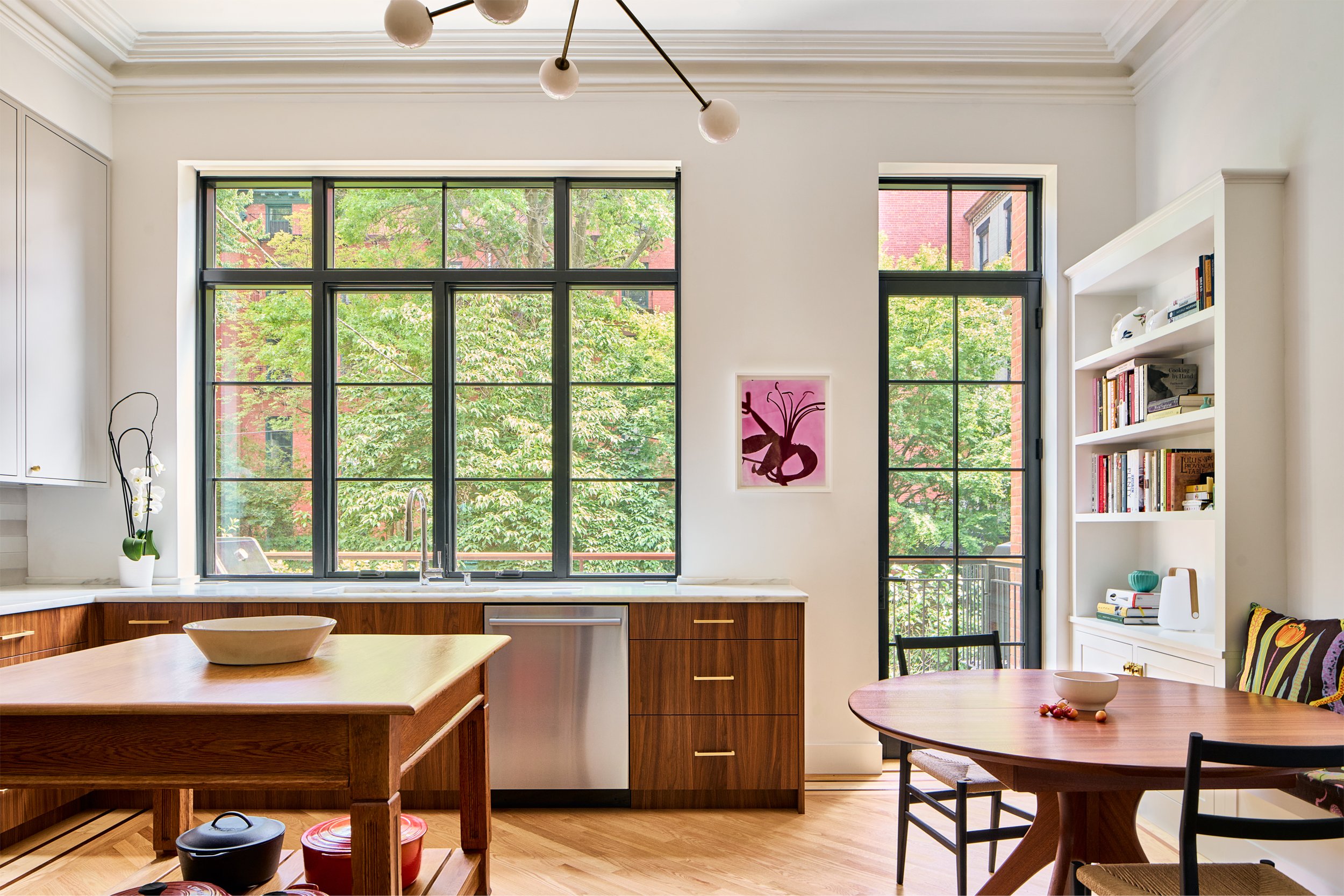
Transforming a small entry area can create a welcoming space with character and style, even in a downsized home.
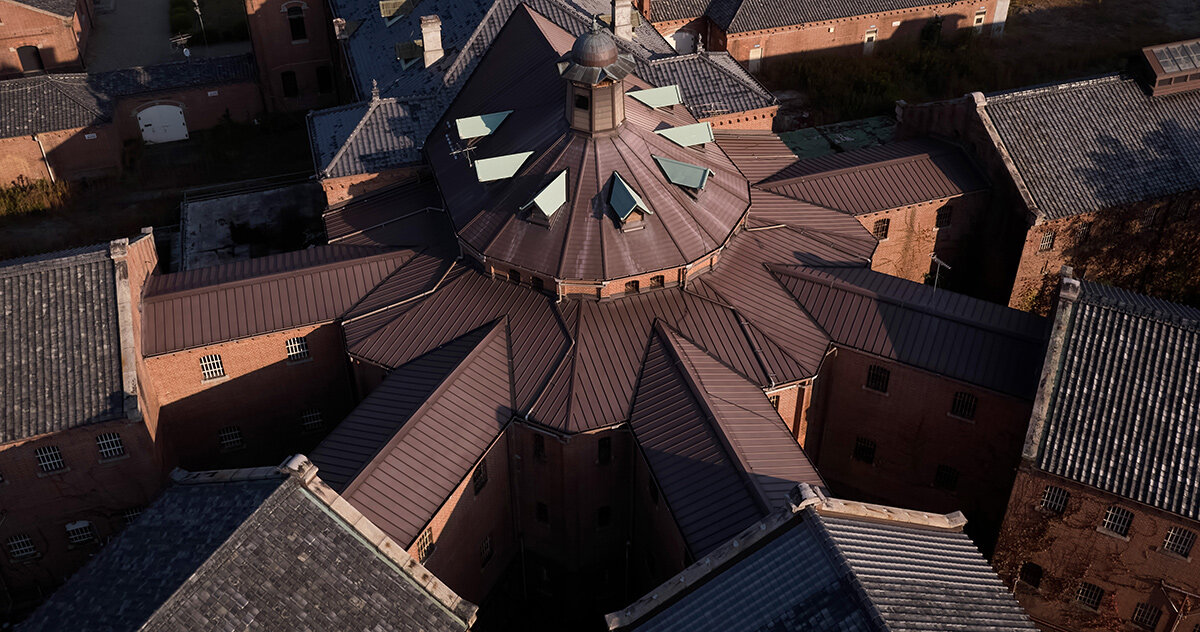
The longer we wait, the more difficult it will become to remedy the damage. Since 2019, state funding had all but dried up, forcing the foundation to auction works to raise funds to continue the restoration of both the iconic building and its many site-specific works.
Set on a ridge-top in Hollywood Hills West, the 2,100-square-foot house is a shining example of Wright's "integrated landscape" style, which blends indoor and outdoor elements. The 1949 home's interior spaces stretch through decked terraces and expansive windows. Jutted wood planks loom over the pavilion, and a massive stone fireplace counteracts the concrete slab floor in the living room.
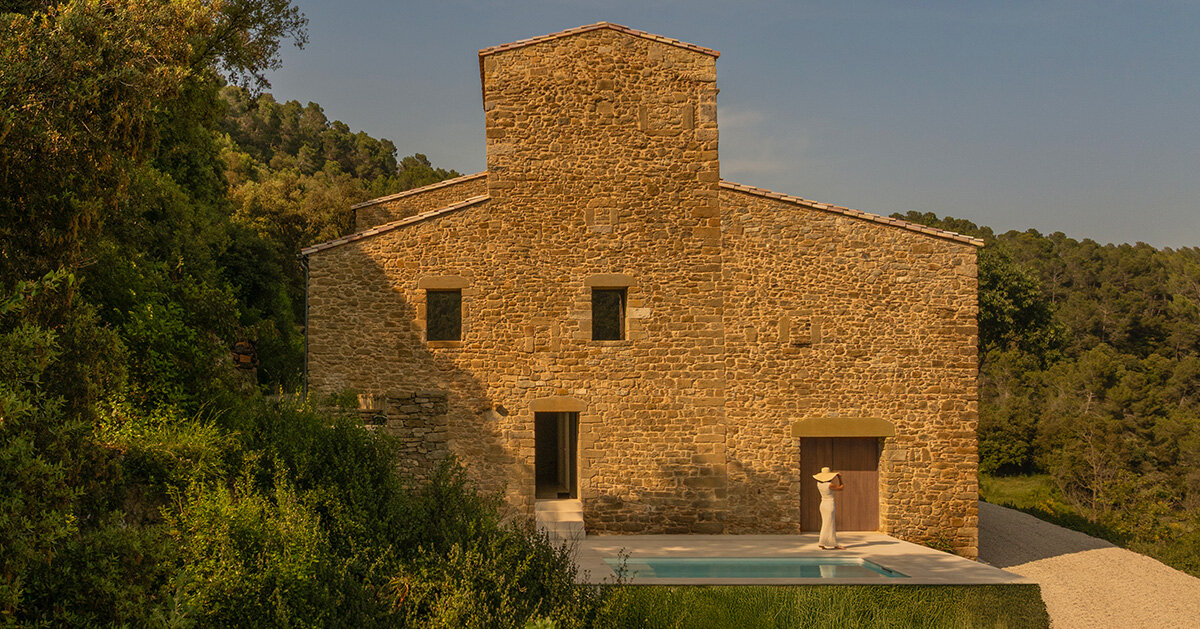
A leader in introducing new dairy techniques to Dartmouth, the Gulf Hill Dairy Farm dates started 1896 with a herd of about 50 cows and brought milk into New Bedford by horse-drawn wagons, according to the Massachusetts Historical Commission. Gulf Hill continued as a leader in the area's dairy industry through World War II and beyond, when the industry became more industrialized.
Ellerslie Interiors embraced the French Renaissance-style building's good bones for her mahjong room. "The architecture carries such a strong vernacular that we approached it almost like a dialogue between East and West-layering lacquer, brass, and mirror against the home's more traditional bones," principal Laura Lubin tells AD PRO. "Installing the Robert Kuo hand-hammered dragon bench under the silk moiré walls was a goosebump moment."
The alley is one of the ancient alignments, appearing in the middle of the 1600s, and although the area changed a lot over the centuries, it remained very much a cluster of smaller buildings surrounding the alley. Until WWII, when a bomb flattened the entire site. It turns out that the alley was culverted for a couple of decades as a large 1950s building, known as Oyez House, which housed the printing works, storage, and offices for the Solicitors' Law Stationery Society.
Theaters serve as cultural and social institutions, shaping society by providing spaces where stories of identity, race, and justice are brought to life. These venues foster community through shared, live experiences, sparking conversations that resonate beyond the stage. Architecturally, theaters are more than performance spaces-they are landmarks that embody both the history and future of the arts. Their design often reflects the cultural importance of storytelling, while their refurbishments ensure they remain relevant in a modern context.
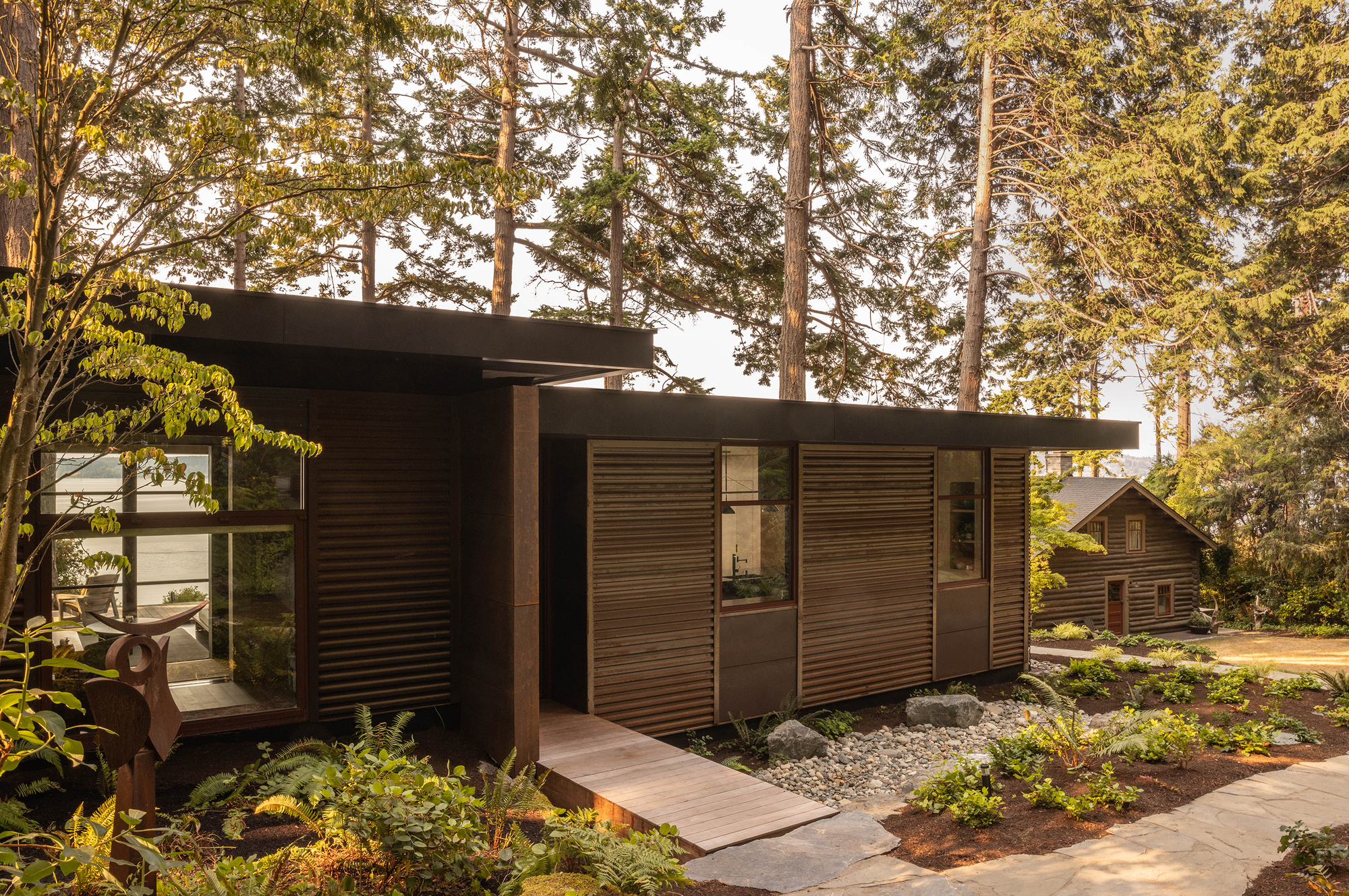
Usonian houses are designed with features that integrate aesthetics and natural surroundings, emphasizing affordability with attributes like flat roofs, large windows, and open floor plans.