#Trump
#Trump
[ follow ]


fromwww.mediaite.com
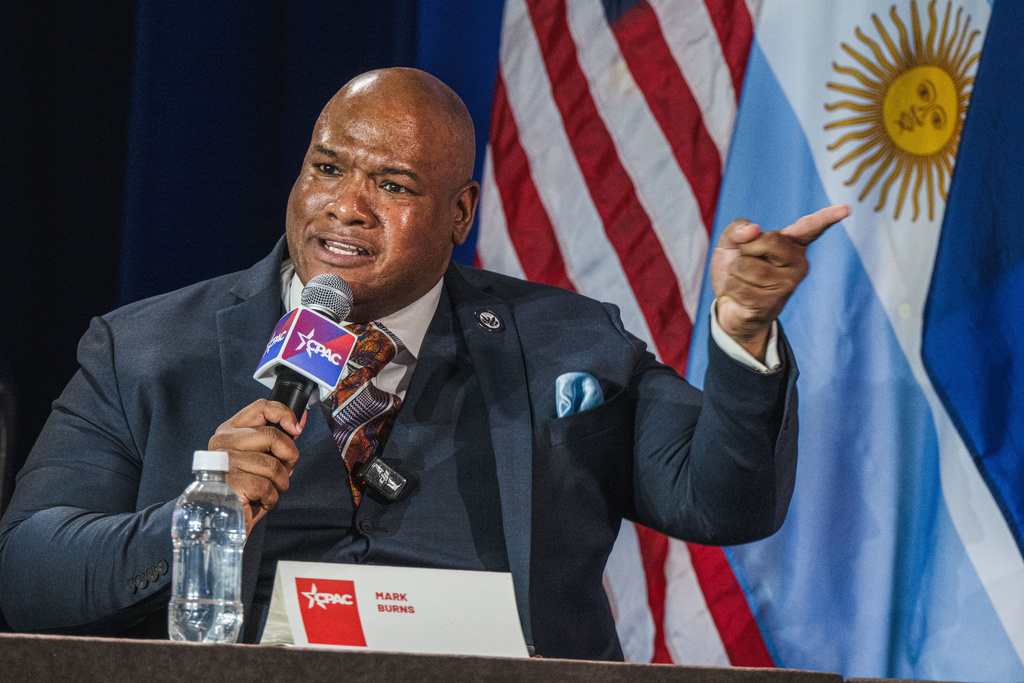
1 week agoNicole Saphier Deletes Tweets Criticizing Trump, RFK Jr.
Saphier's tweets include raising questions about an MRI the president had and pushing back on his public comments about Tylenol. Lots of people questioning POTUS MRI I have questions too, Saphier wrote in a deleted October post.
Healthcare
fromwww.mediaite.com
1 week agoMehdi Hasan and Michael Knowles Throw Down in Jan. 6 Debate
I may have asked the Daily Wire's Michael Knowles this question six or seven times at our debate on Trump at Dartmouth but he refused to answer: 'Do you condemn Donald Trump for pardoning people who assaulted 140 police officers on Jan 6th?'
Left-wing politics
#threats
US news
fromwww.mediaite.com
1 week agoFAA Employee Charged With Threatening President After Searching I Am Going to Kill Donald John Trump' on Government Computer
A mechanical engineer was charged for threatening President Trump over the Iran war, expressing intent to kill in an email sent to the White House.

fromFortune
1 week agoMarkets on alert as Trump vows 'Project Freedom' for Hormuz, setting up potential showdown after renewed attacks on ships | Fortune
Trump posted on Truth Social that the U.S. will guide ships from 'neutral and innocent' countries out of the Strait of Hormuz, dubbing the effort Project Freedom. He stated, 'The Ship movement is merely meant to free up people, companies, and Countries that have done absolutely nothing wrong - They are victims of circumstance.'
World news
US politics
fromFortune
1 week agoSecret Service agent was struck by buckshot from alleged White House correspondents' dinner shooter, not friendly fire, Pirro says | Fortune
A man charged with attempting to assassinate President Trump shot a Secret Service agent with buckshot during the incident at a gala.
fromwww.nytimes.com
1 week agoTrump Says He is Reviewing Iran's Latest Offer but Doubts It is Acceptable
President Trump expressed doubt about Iran's latest proposal, stating, 'I can't imagine that it would be acceptable.' He emphasized that Iran has not paid a big enough price for their actions over the last 47 years.
US news
fromwww.mediaite.com
1 week agoFlorida Sheriff Pulls Out Photo of MAGA Influencer Arrested in Human Trafficking Sting Posing With President and Don Jr
Sheriff Grady Judd highlighted several suspects of the 266 people arrested, two of whom had Trump ties, including Craig Long, a fitness influencer seeking the services of a prostitute.
US politics
[ Load more ]