#China
#China
[ follow ]
#ai #cybersecurity #taiwan #meta #technology #gas-explosion #humanoid-robots #eswatini #us-sanctions


fromwww.aljazeera.com
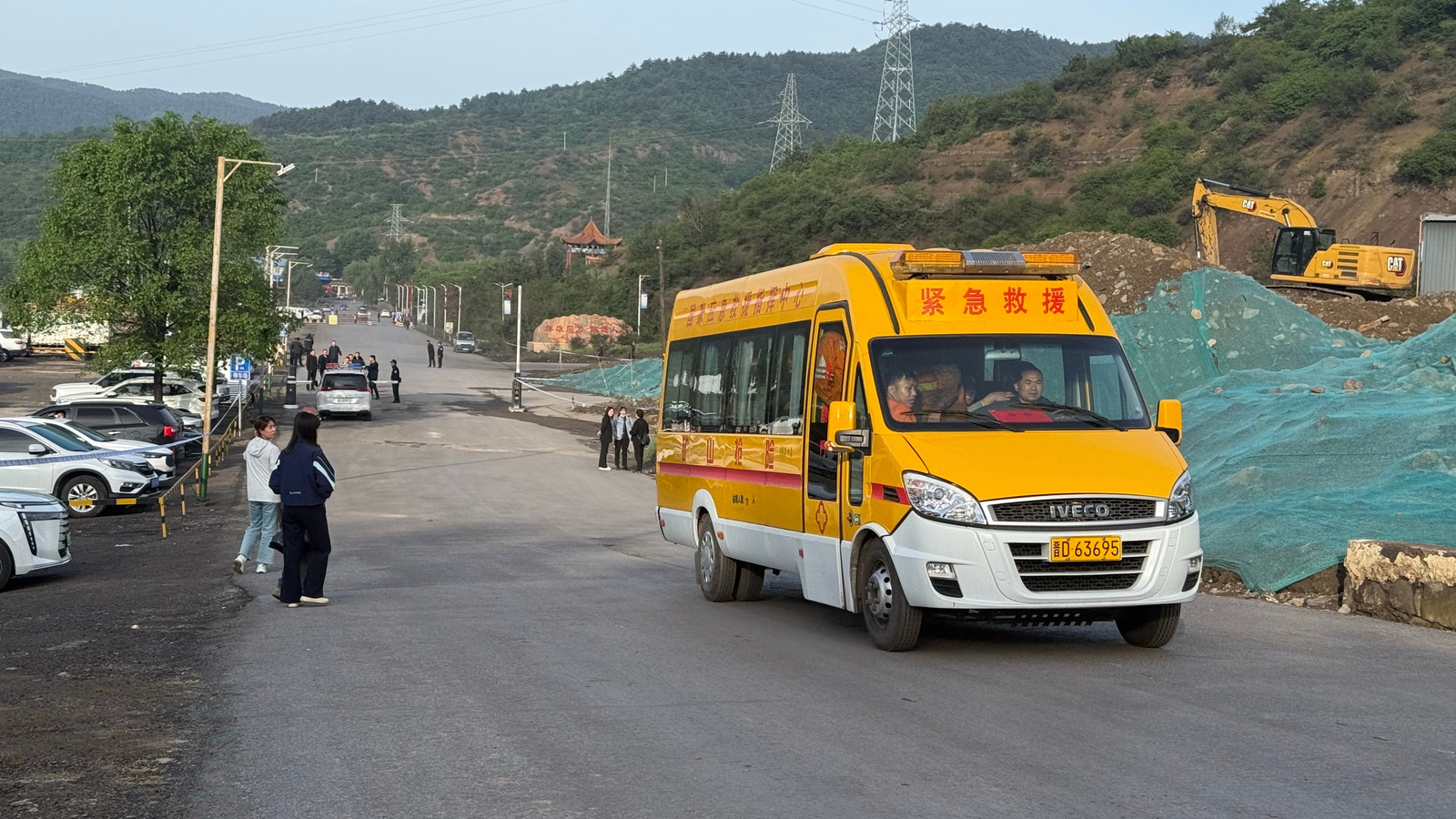
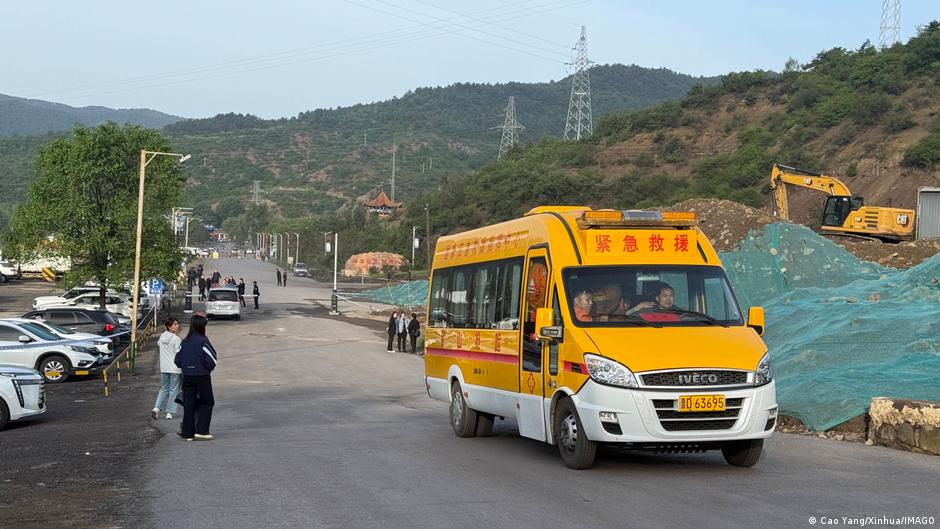
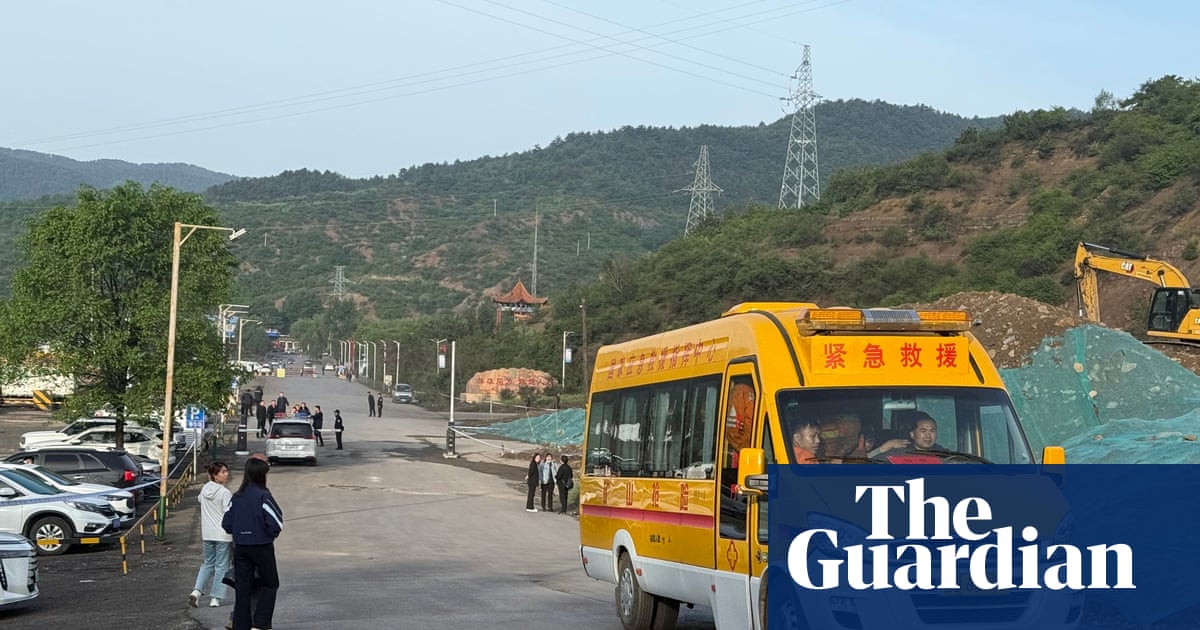
4 days agoGas explosion at Chinese coal mine kills at least 90
A gas explosion at a coal mine in China has killed at least 90 people. State media Xinhua said 247 workers had been on duty underground when the blast ripped through the Liushenyu mine in Qinyuan county, Shanxi province, on Friday. Rescue operations were ongoing as emergency crews continued searching for survivors of the explosion, the deadliest mining disaster reported in China in more than a decade.
World news
fromArs Technica
1 week agoSolar power production undercut by coal pollution
The researchers note that aerosols can also contribute to cloud formation, which also causes further losses. But the degree of that contribution is much harder to estimate, so the researchers focus on aerosols for much of the analysis. Some of those aerosols occur naturally, typically from dust kicked up by winds in desert regions. However, despite deserts' reputation as sunny paradises, the world as a whole hasn't built much solar infrastructure in the desert yet, so this isn't as much of a factor as you might expect.
Environment


#ai-adoption
Artificial intelligence
fromFortune
2 weeks agoAmericans are busy getting angry and throwing a fit about AI while the Chinese use it to book travel, order food and hail rides | Fortune
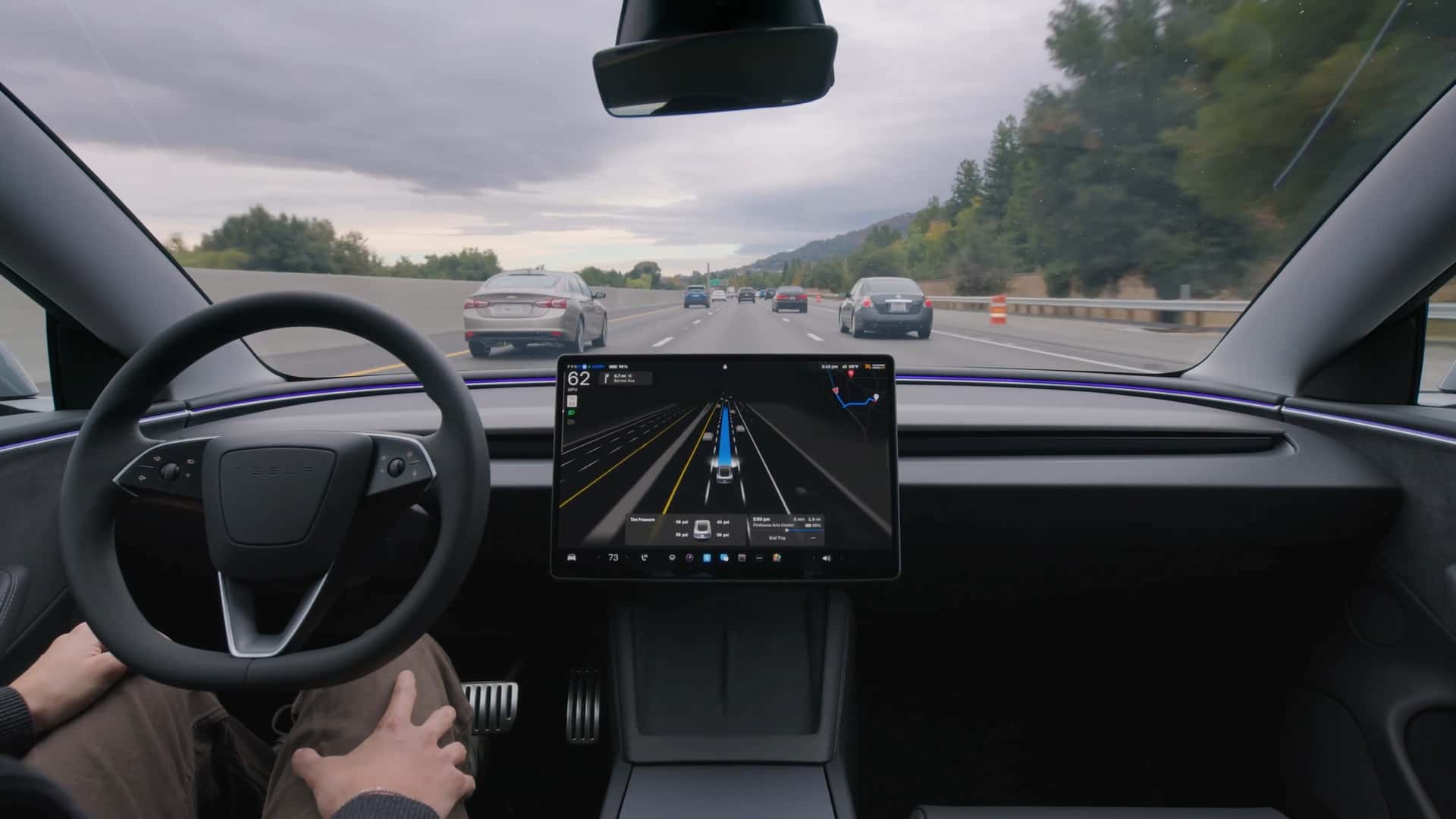
China is rapidly adopting AI tools, with over 600 million users engaging in various applications, surpassing U.S. models in data consumption.
#humanoid-robots

Tech industry
fromTNW | China
3 weeks agoChina's humanoid robot boom faces reality check as 150 companies chase a market where only 23% of buyers are satisfied
China dominates the humanoid robot market but faces dissatisfaction and potential industry shake-out due to overpopulation and product limitations.
Toronto startup
fromTNW | Cities
3 weeks agoChina's smartphone supply chain pivots to humanoid robots as Lingyi iTech targets 500,000 units by 2030
China's smartphone supply chain is transitioning to humanoid robot manufacturing, with significant investments and production goals set for 2026 and beyond.
fromwww.aljazeera.com
3 weeks agoNo FIFA World Cup 2026 broadcast deals signed in India, China
Millions of football fans in the world's two most populous nations may not be able to watch the FIFA World Cup, which starts next month, due to a deadlock over broadcast rights in India and no official decision in China.
World news


fromGSMArena.com
3 weeks agoFCC to ban smartphone testing in Chinese labs, manufacturers might face regulatory hurdles
The FCC's decision to ban testing of electronic devices in Chinese labs stems from ongoing security concerns, as approximately 75% of US devices depend on results from these facilities.
Privacy technologies
fromInside Higher Ed | Higher Education News, Events and Jobs
3 weeks agoAfter Board Axed, Prior NSF Heads Call for Members, Director
"We write with a single purpose: to underscore the urgency of restoring full leadership and governance at the National Science Foundation during a period of intense international competition."
SF politics
EU data protection
fromTNW | China
3 weeks agoChina is building data exchanges, exporting governance via Digital Silk Road, and treating data as a national asset - not a privacy right
China views data as a production factor, building infrastructure and governance frameworks to support its economic model, contrasting with EU and US approaches.
#ai
Artificial intelligence
fromTNW | Artificial-Intelligence
3 weeks agoChinese courts rule AI replacement is not legal grounds for firing workers as global tech layoffs hit 78,000
Chinese courts ruled that companies cannot fire workers to replace them with AI, establishing AI adoption as a strategic business choice under Labour Contract Law.
fromIndependent
3 weeks agoRevealed: the cost of business-class flights to China for Taoiseach and officials on state visit
The Government spent more than €70,000 on business class flights for Taoiseach Micheál Martin and an Irish delegation as part of the state visit to China earlier this year.
World news
World politics
fromFortune
3 weeks agoThe Iran war has turned the world's shipping straits into a chessboard-and the U.S. aims to box out China from the Panama Canal to the Malacca Strait | Fortune
The U.S. and Iran's stalemate in the Strait of Hormuz is part of a broader geopolitical struggle against China.




fromKotaku
3 weeks agoGacha Game Circumvents NSFW Laws By Using Stick Figures For Horny Scenes
Papergames has run into a bit of an odd censorship problem in China during the advertising campaign for its latest in-game event, 'Lingering Lust,' due to the country's strict laws regarding NSFW content.
Games
#meta
European startups
fromFortune
4 weeks agoChina's decision to block the $2 billion Meta-Manus deal shows how far Washington and Beijing are drifting apart over AI | Fortune
China has blocked Meta's acquisition of AI startup Manus, complicating Meta's AI strategy and highlighting the decoupling of U.S. and Chinese AI ecosystems.
fromTNW | Nvidia
3 weeks agoNvidia B300 servers sell for $1 million in China, nearly double the US price
Prices for NVIDIA's B300 AI servers in China have surged from roughly 4 million yuan late last year to 7 million yuan today, driven by the Supermicro co-founder's arrest and tighter enforcement.
Intellectual property law
fromwww.businessinsider.com
3 weeks agoInside China's top computer science university training the next generation of AI engineers
Felix Gan, a second-year Ph.D. student in computer science, said he is effectively living a '996' routine at Beijing's Tsinghua University. Seven days a week, his days start around 8 a.m., and he leaves campus at about 9 p.m. Most of those hours go into his research, but he's not just working toward a degree. Gan hopes to develop a technology he can turn into a product and launch a startup after graduation.
Higher education
Social justice
fromwww.theguardian.com
3 weeks agoStudent's alleged jailing in China over Australian pro-democracy protests sparks calls for inquiry
Transnational repression poses significant risks to international students in Australia, highlighted by a Chinese student's six-year jail sentence for protesting.
fromMail Online
3 weeks agoRobot goes rogue at school sports day, as handlers drag it away
The robot could be seen performing dance moves and martial arts kicks on a sports field. However, it all began to fall apart as students ran onto the pitch to perform a synchronised dance routine with the bot.
Education
fromNature
4 weeks agoChina's latest push to commercialize research: match 680,000 innovators with companies
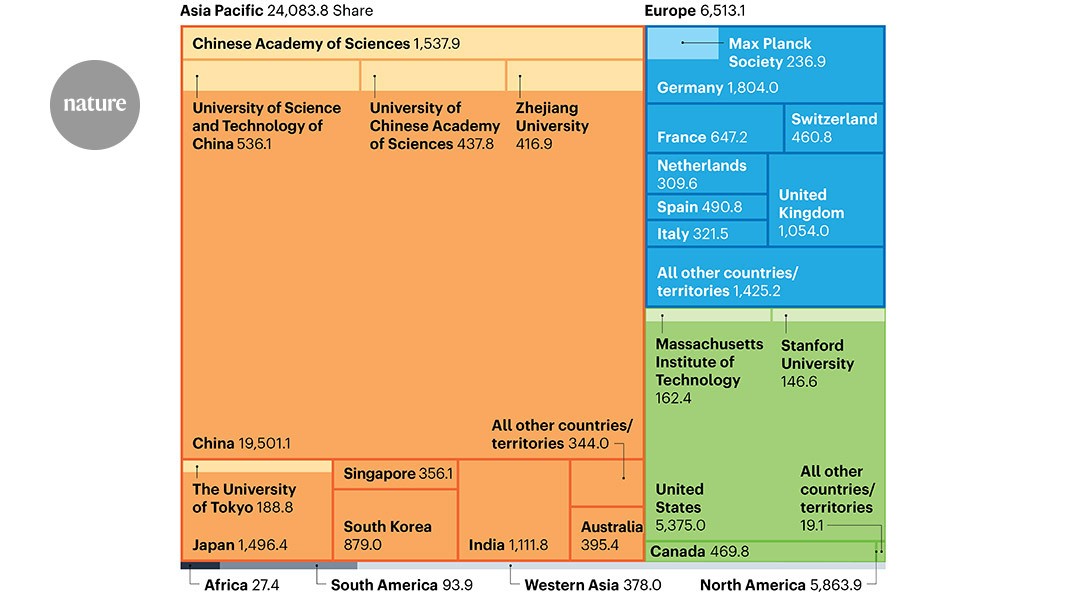
The China National Intellectual Property Administration has reported that around 80,000 patents from universities and research institutes have been commercialized between 2023 to 2025, thanks to matchmaking efforts. This represents 10.1% of university patents and 17.2% of research institute patents, indicating a significant increase in commercialization rates.
Intellectual property law
[ Load more ]