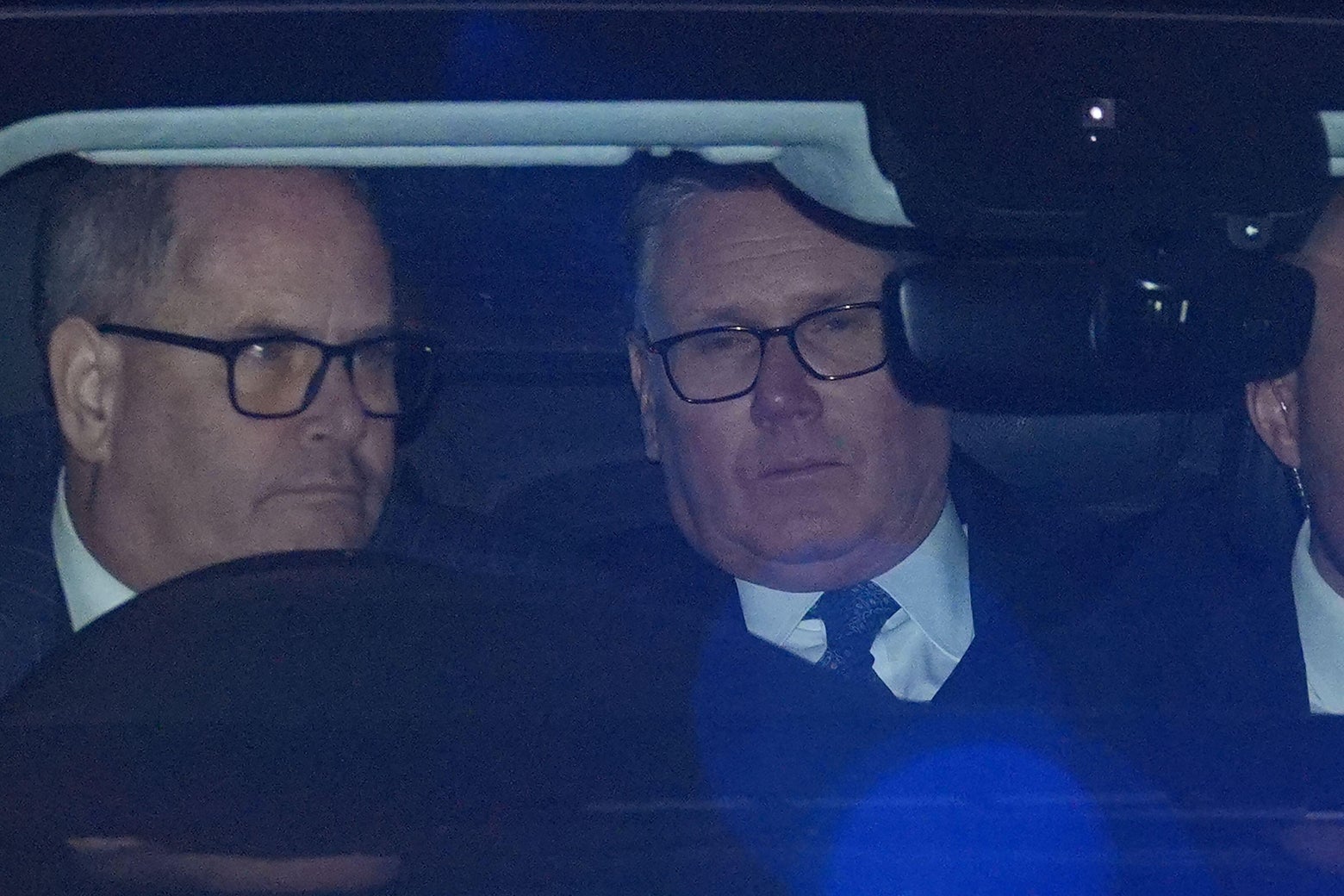
Commons Speaker Sir Lindsay Hoyle tipped off the Metropolitan Police about Lord Peter Mandelson allegedly planning to flee Britain for the British Virgin Islands, prompting his arrest. The former ambassador to Washington was arrested on Monday on suspicion of misconduct in public office and later released on bail after officers were warned he could leave the UK.
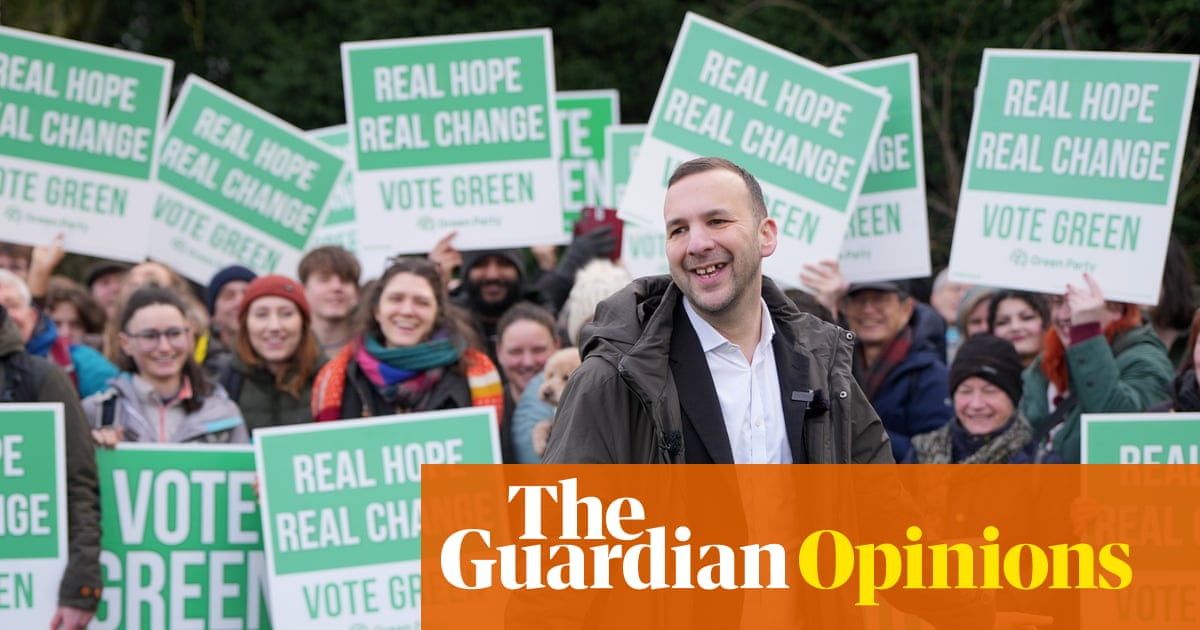
In what traditionally has been a safe Labour seat, there are two insurgent, challenger parties that are competitive. We are used to byelections where one outsider party is doing well, but here Reform UK and the Greens are both potential winners. This is further confirmation that the two-party system has completely broken down, and we are now in an era of multi-party politics.
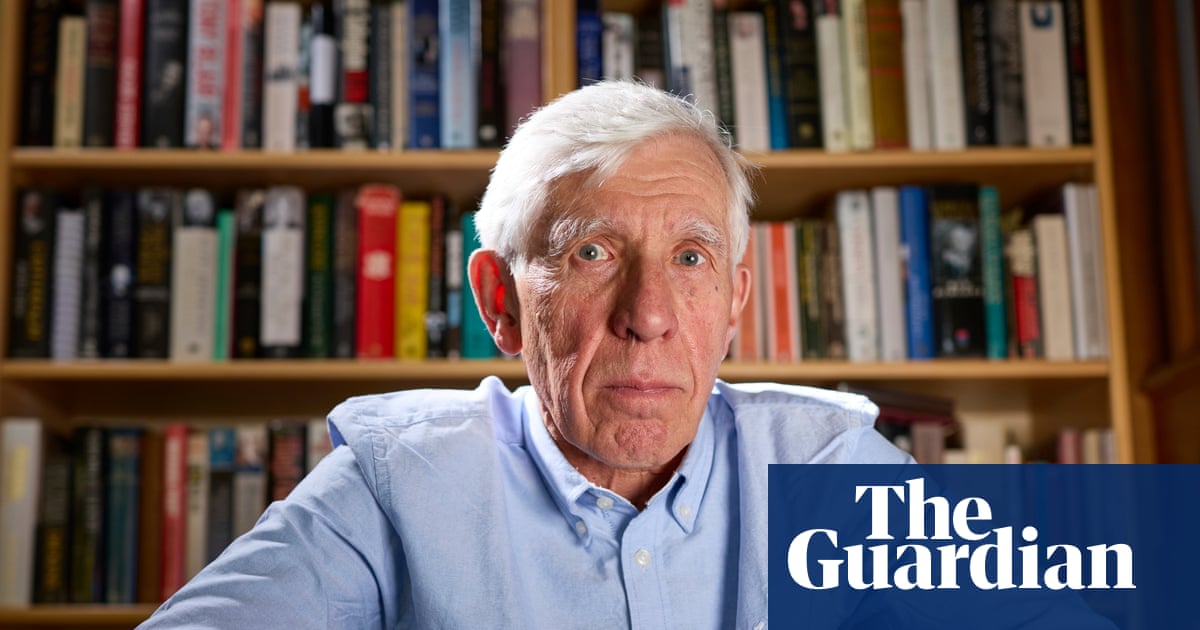
Rob Ford, professor of political science at the University of Manchester, said there was a clear case in principle that what we've seen in the past couple of years is a historically unprecedented dual negative shift in sentiment on immigration.
The former prime minister had written that he found it hard to find words to express my revulsion at what has been uncovered about Epstein and his impact on our politics and the time is overdue to let in the light. On Peter Mandelson's alleged leaking of market-sensitive documents to the disgraced financier and sex offender during the financial crisis, Brown was particularly vexed.
From reproductive rights to climate change to Big Tech, The Independent is on the ground when the story is developing. Whether it's investigating the financials of Elon Musk's pro-Trump PAC or producing our latest documentary, 'The A Word', which shines a light on the American women fighting for reproductive rights, we know how important it is to parse out the facts from the messaging.
I think it [the war] was a waste of time, because the benefits we got from it, the wartime camaraderie and everyone, almost everybody, mucked in [with] whatever they could do. Whatever [way] they could help somebody else they did. That wasn't just in the army. You don't get that now, no.
Richard Pearson is visiting Surrey to close down his late father's home and settle his affairs and, everywhere he looks, the flag of St George is flying from suburban gardens and filling stations and branch post offices. How nice, he thinks, how festive. Soon he learns the truth. So runs the opening not of a recent piece of journalism, but a novel by JG Ballard, Kingdom Come, which despite being almost 20 years old anticipates today's Britain with eerie precision.
Cast your mind back to the furore when the shadow justice secretary, Robert Jenrick, was revealed to have said that he didn't see another white face in the Handsworth area of Birmingham. It was reported as if it would be of real consequence to his political future but enough time has passed, I figure, to confirm that it was not. Why did some seriously consider this a turning point?
Theirs was a small-P political household. His dad was a social worker, his mum worked for various charities. She was from Mauritius, and now on the telly, the National Front were saying they were going to send people who weren't born in Britain home in six months. I was petrified that my mum was going to get sent home. The ambient racism of 70s and 80s Britain permeated everything. I just remember being scared, Lowles says.
It was a moment in time when petrified politicians lurched from crisis to crisis, scrambling desperately to control the narrative as their endless gaffes derailed even the vaguest attempts to change this country for the better.