#AI talent
#AI talent
[ follow ]
#ai-talent #meta #openai #tech-industry #compensation #silicon-valley #recruitment #h-1b-visas #google


Artificial intelligence
fromFast Company
1 month agoInside the xAI exodus: Meet the dozens of people who have left Elon Musk's AI company
xAI is experiencing significant employee turnover, with all cofounders except Elon Musk having left amid ongoing organizational changes and competition in the AI sector.

#ai-talent

Careers
fromBusiness Insider
4 months agoFinland is trying to poach top tech and AI talent from the US with 2-week visas and better work-life balance
Finland is recruiting US engineers and researchers in AI, quantum computing, and health innovation by offering work-life balance and fast-track specialist visas.
Silicon Valley
fromFortune
1 month agoForget free lunch and nap pods: AI startups are luring workers with soaring salaries-some recent computer science grads are making over $300,000 | Fortune
Startups are offering unprecedented salaries, with median base offers reaching $200,000, driven by competition for AI talent.

European startups
fromwww.businessinsider.com
1 month agoA Chinese robotics startup with a Tesla Optimus rival is seeking a new chief scientist with an $18 million salary
China's robotics industry is aggressively pursuing top talent, exemplified by UBTech's high salary offer for a Chief Scientist position.
#openai
Artificial intelligence
fromwww.businessinsider.com
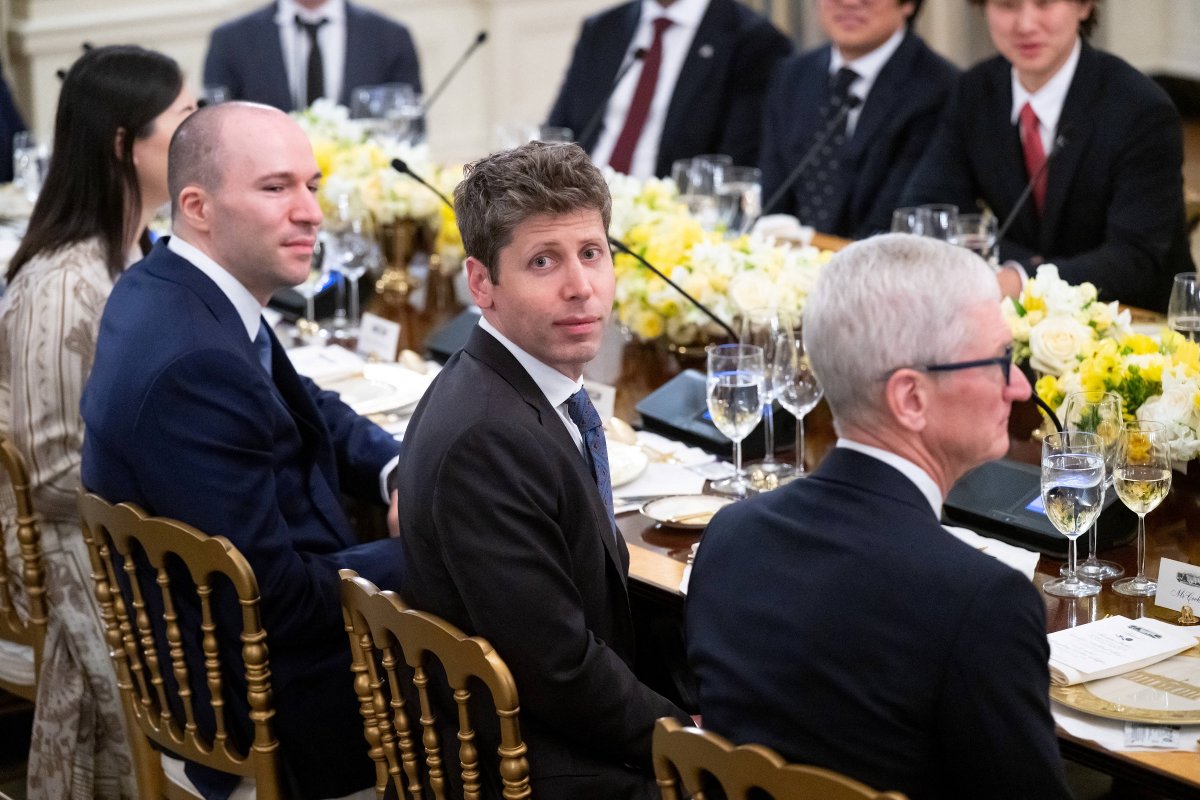
2 months agoInside OpenAI's talent pipeline: See who's feeding and hiring away workers at Sam Altman's AI giant
OpenAI has rapidly attracted talent from major tech companies, significantly increasing its workforce and influencing the startup ecosystem.


Artificial intelligence
fromwww.businessinsider.com
2 months agoInside OpenAI's talent pipeline: See who's feeding and hiring away workers at Sam Altman's AI giant
OpenAI has rapidly attracted talent from major tech companies, significantly increasing its workforce and influencing the startup ecosystem.

fromComputerworld
4 months agoEnterprise AI investments are forging ahead despite elusive ROI
The question many enterprises are asking themselves in 2026 is whether they are transforming their businesses fast enough to see the benefits of new technologies, most notably AI. The answer, according to PwC's 29th Global CEO Survey: Not really - at least, not yet. In fact, the majority of enterprises aren't seeing any real revenue increase or cost reduction as the result of AI deployments; only about one-third have seen any tangible benefits from AI in the last 12 months.
Artificial intelligence
fromBusiness Insider
4 months agoA gap year program is lining up six-figure startup salaries for teens
Delaying, dropping out of, or skipping college altogether have long been popular in Silicon Valley. Mark Zuckerberg, Steve Jobs, Bill Gates, and Larry Ellison have all done some version of it. As artificial intelligence hype draws young founders to San Francisco, programs at companies like Palantir Technologies are rolling out anti-college initiatives for high school graduates. Meanwhile, startup entrepreneurship programs like Y Combinator skew increasingly younger, as taking a gap year has become less contrarian and more mainstream for aspiring technocrats.
Higher education
Tech industry
fromExchangewire
5 months agoDigest: Google Sues Web Scraping Company; ByteDance Boosts Benefits Amid AI Talent War; FaceBook Tests Free Link Limit for Businesses
Google sues a web-scraping provider for allegedly circumventing protections, ByteDance raises pay and benefits to retain AI talent, and Facebook tests link-post limits.
fromBusiness Insider
5 months agoExecs and AI researchers who have left Apple - and the one company that's snapped many of them up
They're not called the AI talent wars for nothing. With Big Tech firms scrambling to attract top talent, executives and artificial intelligence researchers have done a lot of job-hopping this year, and Apple employees were no exception. The company has lost over a dozen employees who worked on its AI projects, from executives to scientists to engineers, and even its AI chief, John Giannandrea, who announced this week he was stepping down from the role.
Apple
Artificial intelligence
fromBusiness Insider
9 months agoMeta Superintelligence Labs is already losing key staff less than two months after launch
Meta's Superintelligence Labs faces early staff departures of veteran AI engineers and leaders amid recruitment disruption, lavish compensation, and internal tensions.
fromBusiness Insider
10 months agoMicrosoft salaries revealed: How much the tech giant pays software engineers, product managers, and more
Microsoft's substantial investment in AI includes billions spent on its flagship Copilot tool and it remains the largest investor in OpenAI, despite some relationship issues.
Tech industry

[ Load more ]