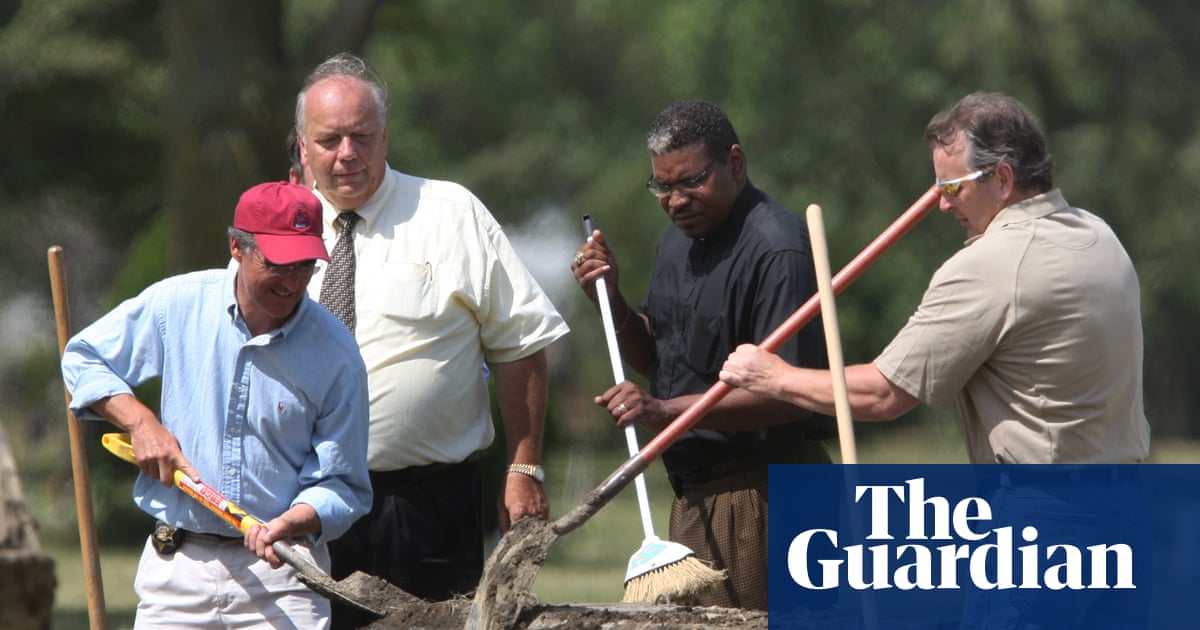
"They asked if I knew about moss and brought the evidence to the museum. An investigation by local police had found human remains buried under inches of earth at the cemetery, a site of enormous historical importance. Several prominent African Americans are buried at the cemetery, including Emmett Till, whose murder in 1955 became a catalyst for the civil rights movement, and the blues singer Dinah Washington."
"After examining the moss under a microscope and comparing it with dried specimens in the museum's collection, the scientists identified it as common pocket moss, or Fissidens taxifolius. A survey at the cemetery found that the species did not grow where the corpses were discovered, but was abundant in a lightly shaded area beneath some trees where police suspected the bodies had been dug up."
"This is the cool thing about moss. When we're dead, we're dead, but with mosses, it's bizarre. Even when we might think they're dead, they can still have an active metabolism."
Four workers at Burr Oak cemetery in Alsip, Illinois dug up over 100 bodies and relocated remains to resell burial plots. Nearly two decades after the scandal, scientists revealed how moss became crucial forensic evidence in convicting the grave robbers. Dr. Matt von Konrat from the Field Museum identified a fingertip-sized piece of moss found with re-buried remains as common pocket moss (Fissidens taxifolius). Cemetery surveys showed this species grew only in shaded areas where police suspected bodies were originally excavated, not where they were discovered. The moss had been transported with the bodies, providing physical evidence linking the crime to its location. Moss biology proved instrumental in determining the timeline of the crime.
Read at www.theguardian.com
Unable to calculate read time
Collection
[
|
...
]