"Geofence warrants turn the usual way of pursuing suspects on its head. Typically, police identify a suspect and then obtain a warrant to search a home or a phone."
"Civil libertarians say that geofences amount to fishing expeditions that subject many innocent people to searches of private records merely because their cellphones happened to be in the vicinity of a crime."
"Prosecutors credit the warrants with helping crack cold cases and other crimes where surveillance cameras did not reveal suspects' faces or license plates."
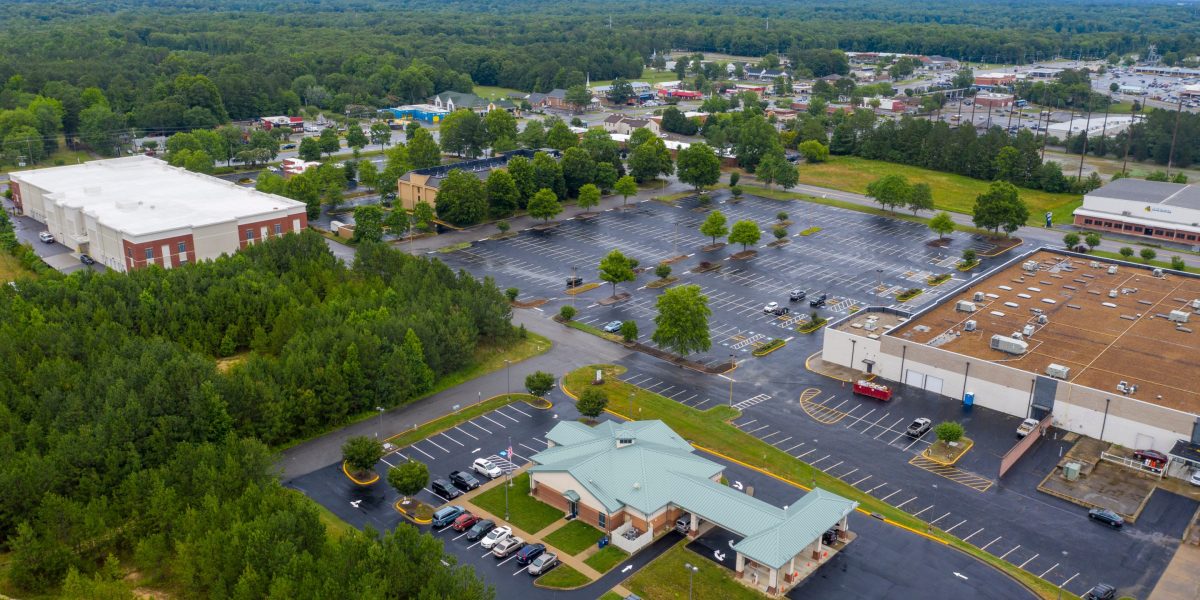
Okello Chatrie robbed a bank and was tracked using a geofence warrant that identified his cellphone's location. The Supreme Court will decide if these warrants violate the Fourth Amendment. Geofence warrants reverse the traditional suspect identification process, allowing police to find individuals present at a crime scene without prior suspects. While they aid in solving crimes, critics argue they infringe on privacy rights by subjecting innocent individuals to searches based solely on their location during a crime.
Read at Fortune
Unable to calculate read time
Collection
[
|
...
]