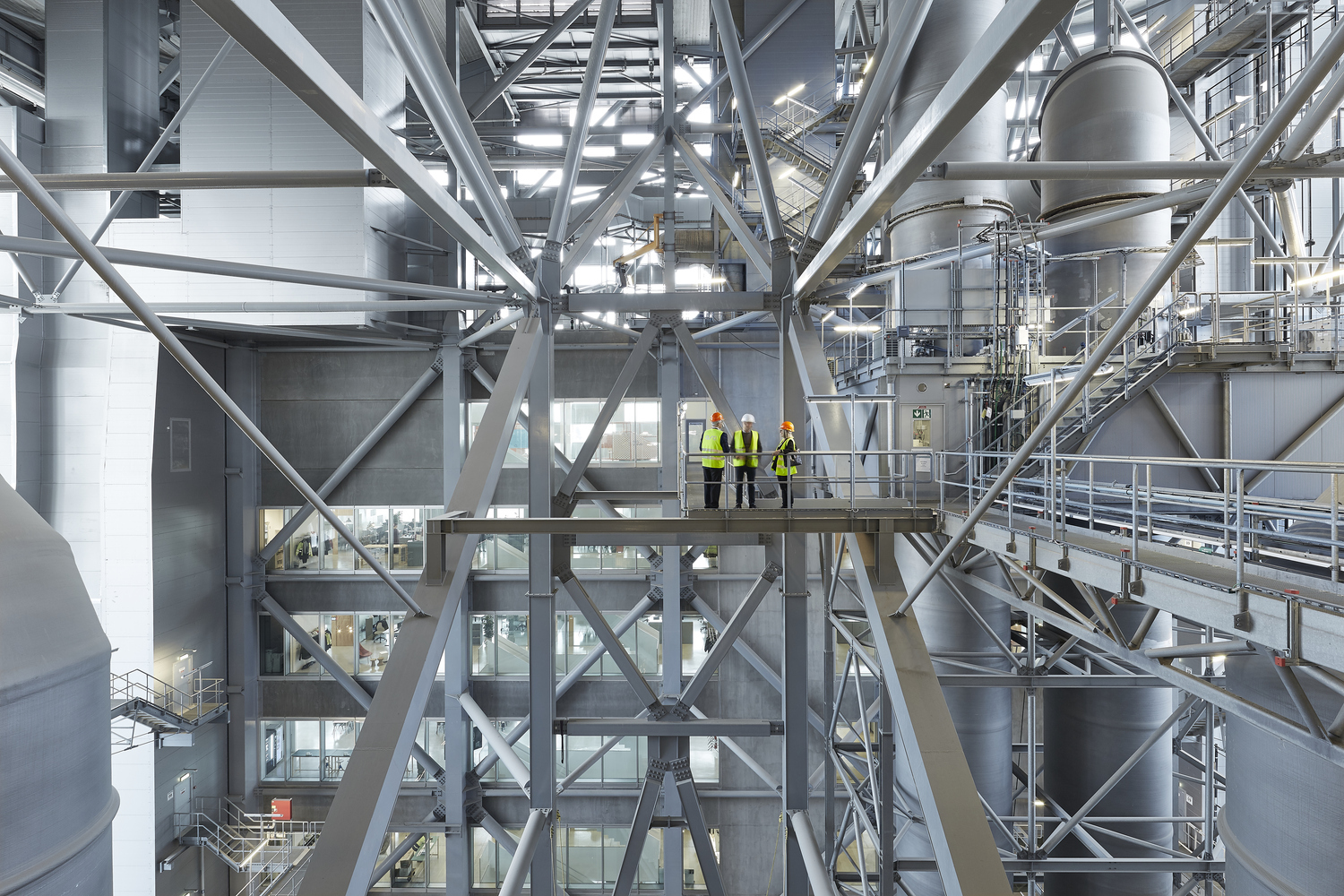
"For centuries, large-scale infrastructure operated in the background. Ports, power plants, and energy facilities were positioned at the edges of cities, designed primarily for efficiency, and rarely considered part of civic life. Their function was indispensable, yet their architectural presence remained secondary."
"Today, this condition is gradually shifting. As global trade intensifies and energy systems expand in complexity, the buildings that coordinate and house these networks are becoming more visible within the urban landscape. Rather than remaining neutral containers for technical operations, they begin to assert spatial identity."
"Across different contexts, recent projects suggest that ports and energy networks are increasingly being reframed architecturally. Administrative headquarters, power plants, and corporate energy towers are no longer hidden behind industrial anonymity. Instead, they occupy waterfronts, define skylines, and contribute to the public image of the city."
Historically, large-scale infrastructure like ports and power plants operated at city edges, prioritizing efficiency over architectural presence. Today, this dynamic is changing as global trade and energy systems grow more complex. Infrastructure buildings now assert spatial identity and participate in urban image-making. Rather than remaining anonymous technical containers, administrative headquarters, power plants, and energy facilities occupy prominent locations like waterfronts and skylines. These structures increasingly function as institutional and symbolic presences within cities. The Port of Antwerp exemplifies this shift, with its Port House consolidating operations into an architecturally significant building that merges historic and contemporary elements, signaling transformation within the harbor landscape.
#infrastructure-architecture #urban-design #civic-identity #port-development #architectural-transformation
Read at ArchDaily
Unable to calculate read time
Collection
[
|
...
]