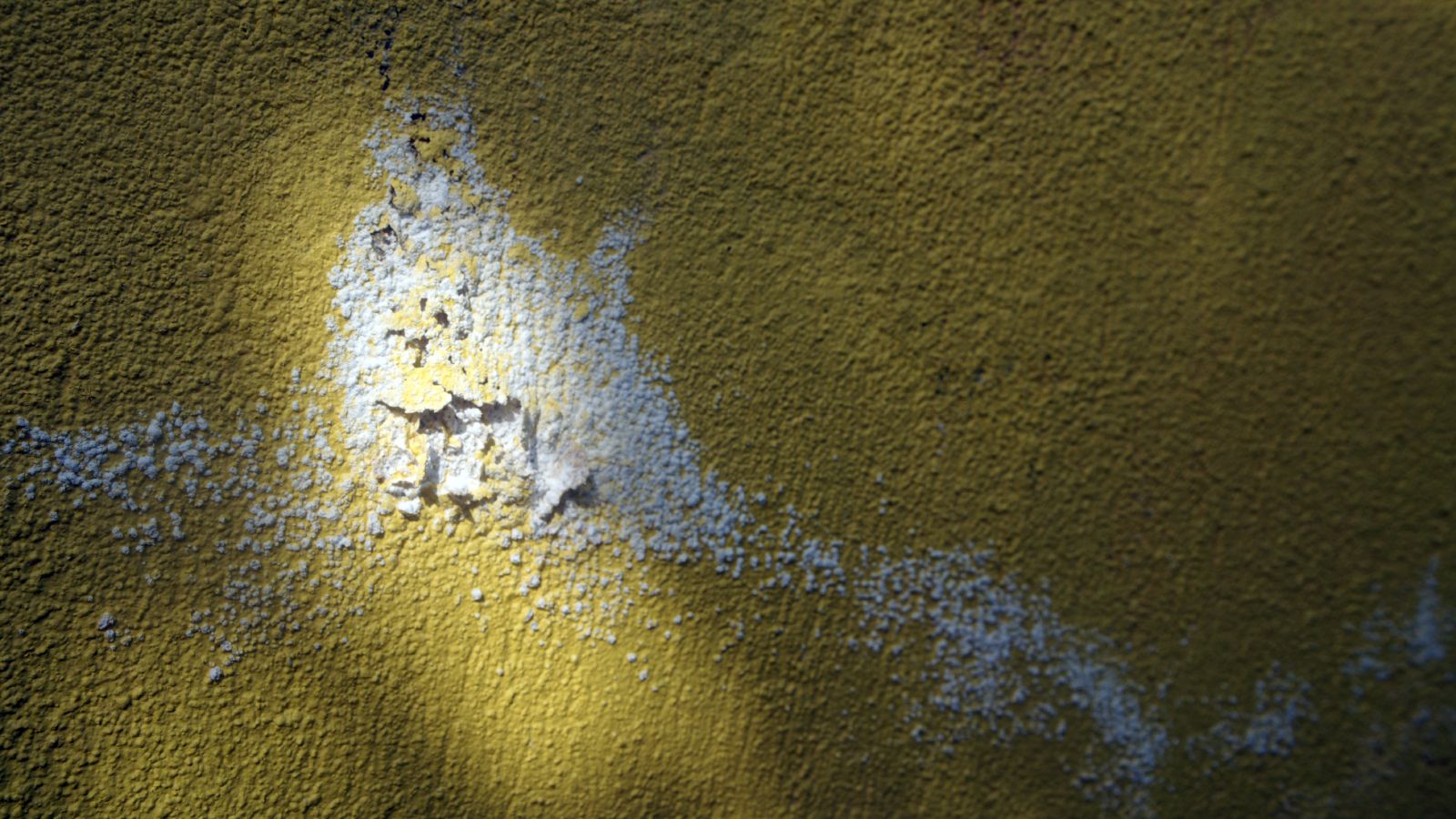
"What is rising damp? It's hardly surprising that in a rainy country like Britain the subject of water ingress has such a firm grip on the national psyche, even spawning whole industries dedicated to battling disconcerting damp patches. Rising damp, one of the different types of damp that can occur in the home, is, as the name suggests, penetrating damp which rises upwards from ground level into the walls of your home."
"It is generally caused by a number of different problems with the damp proof course (DPC) in your home, or indeed by the lack of a DPC. It's also often harder to spot, unlike damp in roofs or lofts, which can become visible more quickly as a result of roof leaks in lofts or ceilings."
"However, the concern around the topic of rising damp is understandable, as unless it's carefully managed, water has significant potential to damage and disrupt. As well as instigating decay in timber structures, over time water can erode solid masonry because it expands around 8% in volume when it freezes, exerting a pressure equivalent to two tonnes per square centimetre."
Rising damp occurs when ground moisture moves upward into walls, typically because of faults in or absence of a damp proof course (DPC). It is often subtler than roof or loft leaks and therefore harder to detect. If unmanaged, moisture can cause timber decay and gradually erode masonry; frozen water expands about 8% and can exert extreme pressure. Severe structural damage usually follows long-term neglect rather than normal occurrences. Lower-wall damp can be commonly misdiagnosed because visual signs overlap with other damp types, so accurate identification and appropriate treatment are essential to prevent future problems.
Read at Homebuilding
Unable to calculate read time
Collection
[
|
...
]