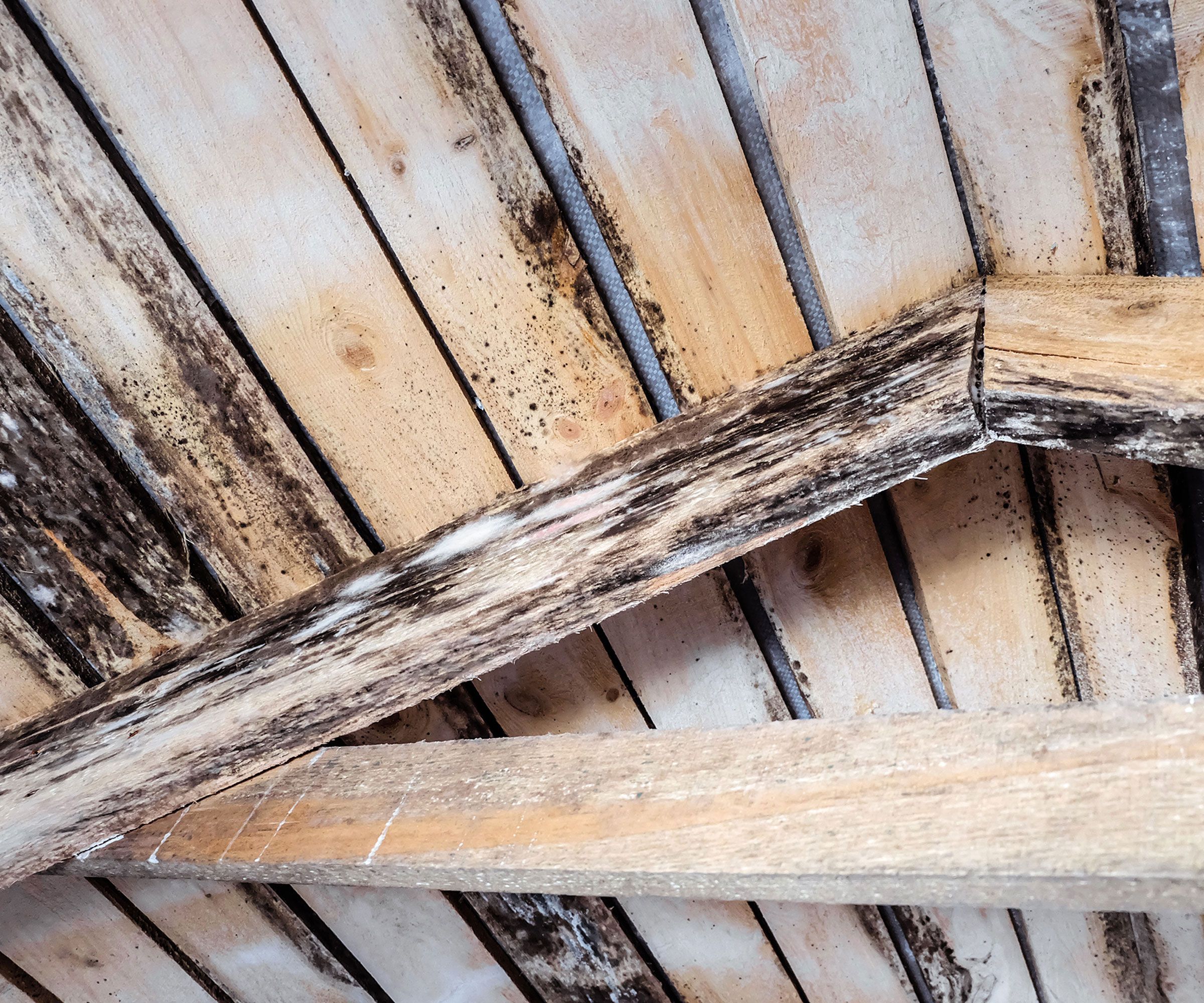
Warm, humid air from living areas frequently rises into lofts through gaps in ceilings, around light fittings, and poorly sealed hatches. When that warm air contacts colder roof timbers or underlay, moisture condenses on those surfaces. Condensation and trapped moisture create ideal conditions for mould spores to grow. Lack of adequate ventilation from soffit, eaves, or ridge vents allows moisture to remain in contact with cold surfaces for long periods. Moisture sources commonly include bathrooms and kitchens. Recurring loft mould can damage stored items and the home structure unless ventilation and sealing issues are addressed.
""In most cases, warm, humid air from the living areas below rises and enters the loft through gaps in the ceiling, around the light fittings or through poorly sealed hatches" explains HVAC and ventilation expert David Miloshev from Fantastic Services. "When that warm air meets the colder surfaces of the roof timbers or underlay, the moisture condenses, creating the perfect environment for mould spores to thrive.""
""Insufficient ventilation is a key factor," continues David. "If the loft lacks adequate air movement from soffit, eaves or ridge vents, the moisture becomes trapped and remains in contact with those cold surfaces for long periods.""
""Mould in lofts is nearly always caused by trapped moisture and poor ventilation," agrees Michael Zohouri, founder of Pyramid Eco. "Warm, moist air from bathrooms and kitchens rises into the loft. If there's nowhere for that air to escape, it condenses on cold surfaces su"
Read at Homebuilding
Unable to calculate read time
Collection
[
|
...
]