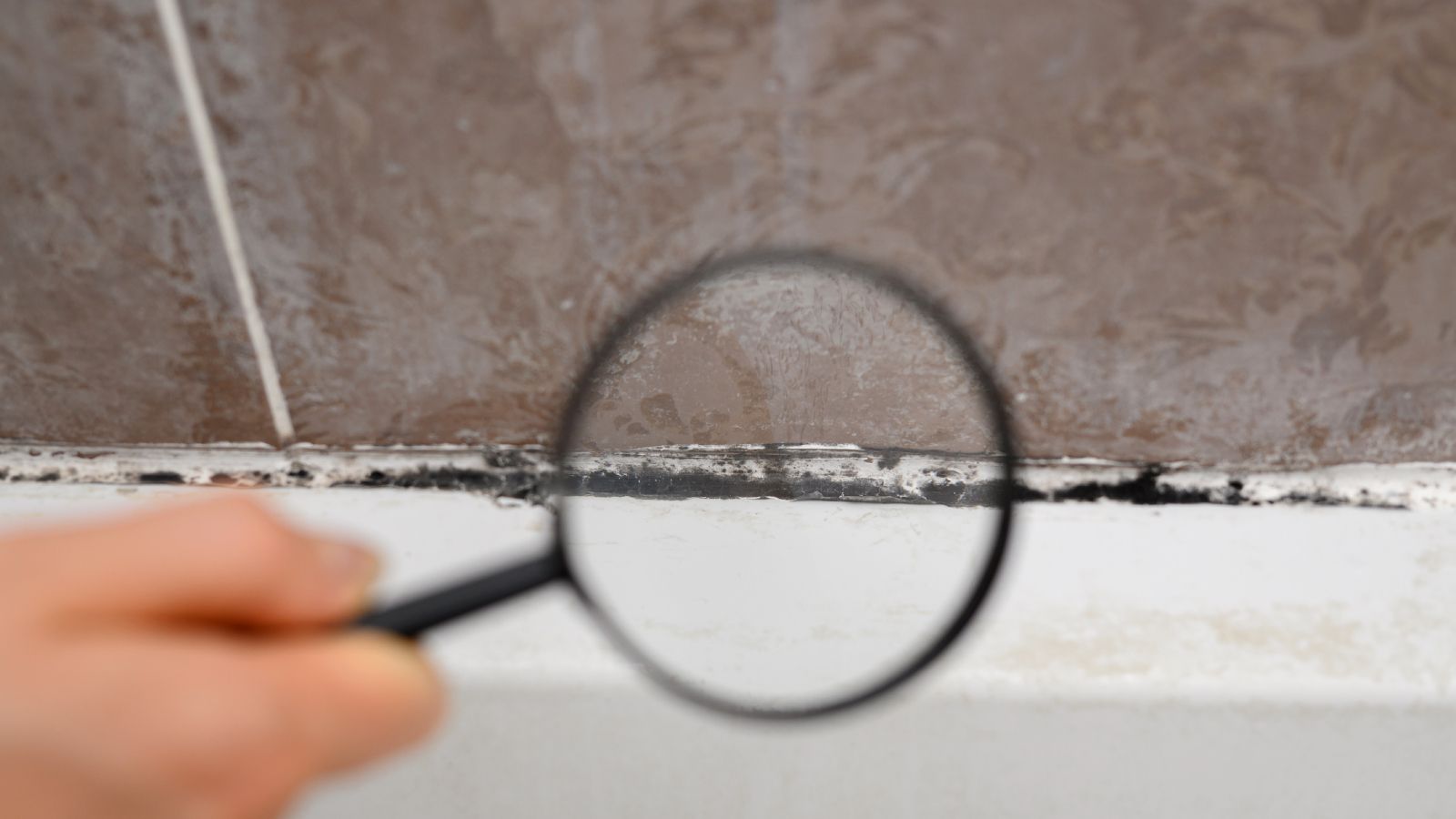
"While good bathroom ventilation is an essential, it won't necessarily fix everything. So here's how to make sure damp in bathrooms doesn't turn your bathroom into an unwanted wet room."
"But, with walls often covered with bathroom tiles, unlike other rooms, where most ' damp problems' are initially spotted as distinctive brown staining that appears on internal plasterwork, sometimes accompanied by a smattering of white salts or patches of mould, damp in bathrooms can be a little harder to identify."
"Mastic seals around the edges of baths and showers are prime candidates for allowing water to seep through, and shower trays are notorious for springing leaks. Make sure you always use the best bathroom sealants and if you spot any signs of decay or damage, it's time to learn how to remove and replace it"
Bathrooms are prone to damp because tiles can hide early signs like staining, salts and mould. Ventilation helps but will not fix leaks or failing seals. Mastic seals around baths and showers commonly decay and allow water to penetrate, and shower trays frequently develop leaks. Regularly inspect silicone seals, grout lines, joints and pipe penetrations and replace damaged sealant. Use high-quality bathroom sealants, repair grout and promptly address leaks. Consistent maintenance and timely repairs prevent mould growth, unpleasant smells and longer-term structural damage.
Read at Homebuilding
Unable to calculate read time
Collection
[
|
...
]