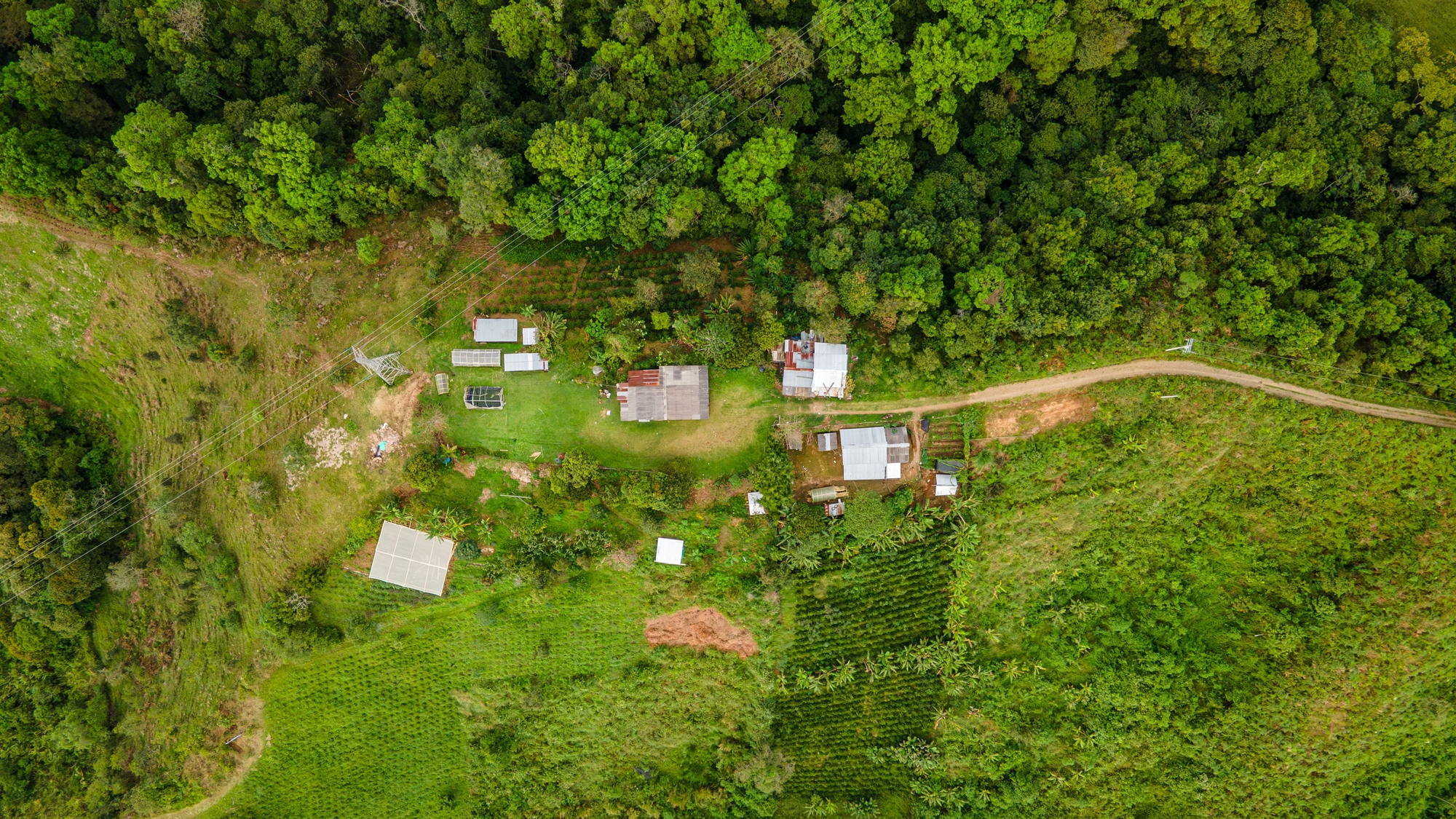
Water must arrive, energy must be generated, food must be grown or transported, and waste must be managed before a building can be inhabited. These processes are often treated as separate from architecture, even though they determine everyday living conditions. Self-sufficient communities can imply providing energy, water, food, shelter, and waste management within a place. In Latin American contexts, autonomy does not necessarily mean complete separation from the wider world. Autonomy can instead mean bringing the systems of daily life closer to the people who use, maintain, and care for them, strengthening practical connection and stewardship.
"Before a building can be inhabited, many other things need to happen. Water has to arrive, energy has to be generated, food has to be grown or transported, and waste has to go somewhere. These processes are usually treated as something outside architecture, even though they shape the most basic conditions of everyday life."
"This is why the idea of self-sufficient communities is more complex than it first appears. It can suggest a place that provides more of what it needs: energy, water, food, shelter, and waste management. Yet, in many Latin American contexts, autonomy is not a complete separation from the world."
"It is a way of bringing the systems of daily life closer to the people who use, maintain, and care for them."
#self-sufficient-communities #water-and-energy-systems #food-supply-and-logistics #waste-management #architecture-and-everyday-life
Read at ArchDaily
Unable to calculate read time
Collection
[
|
...
]