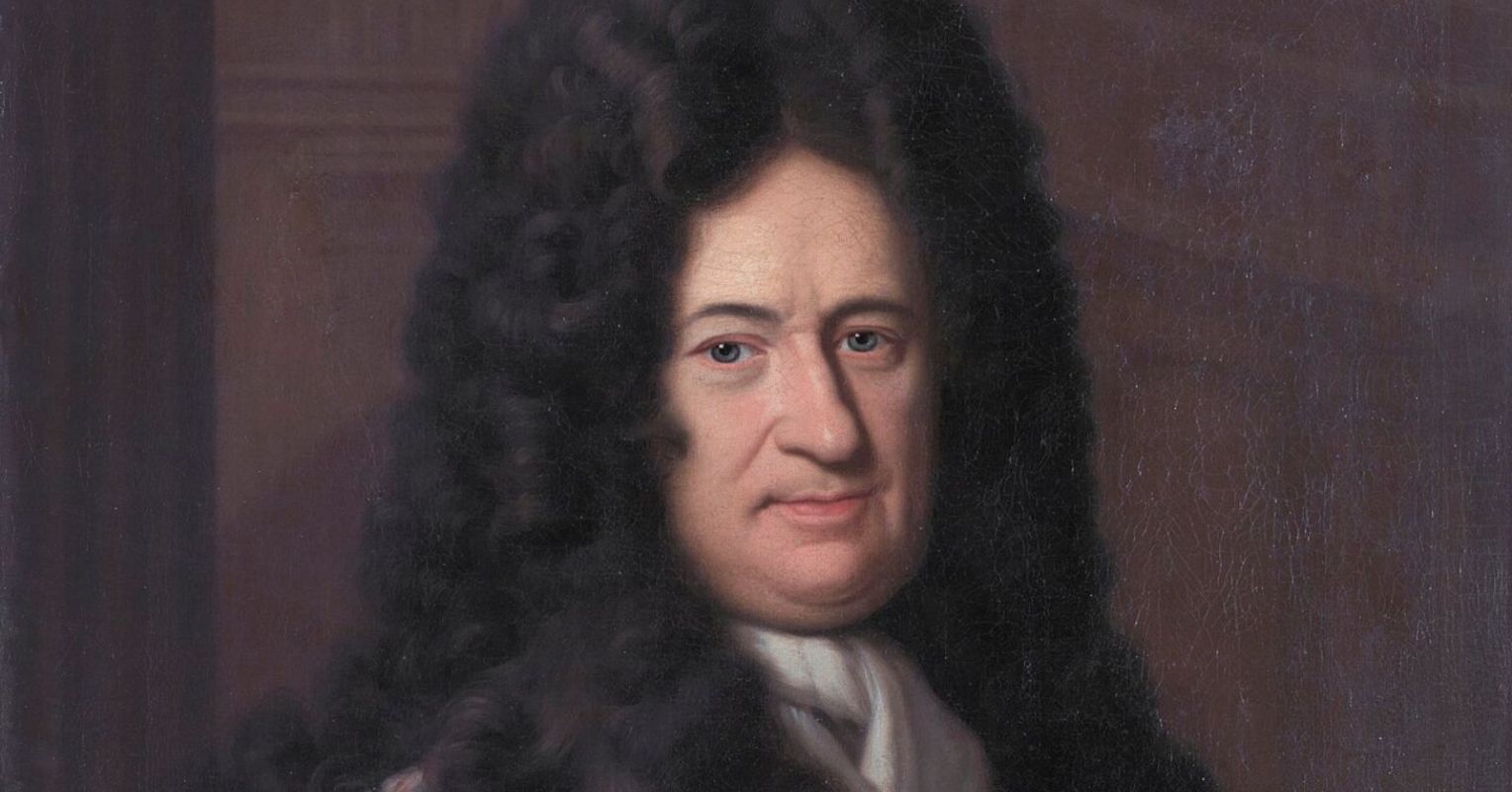
Leibniz studied philosophy and law, later using his legal training to defend God against accusations about evil. He coined the term Theodicy, meaning vindication of God. In the Theodicy, he responds to the problem of evil by claiming that God does not cause evil but permits it. This permission is presented as serving a greater good within the structure of the world. The defense is often summarized by the idea that all is for the best in the best of all possible worlds. Later cultural portrayals, such as Voltaire’s Candide, caricature this optimism, making the phrase widely known.
"In the Theodicy (1710), he would pose as God's own attorney-to defend God against the charge of having introduced evil into the world. "Theodicy, a word that he himself coined, derives from the Greek for 'vindication of God.'""
"God, says Leibniz, does not cause evil but permits it for the greater good. This permission is presented as serving a greater good within the structure of the world."
"Insofar as Leibniz is remembered, it is for holding, in the words of Voltaire, that "all is for the best in the best of all possible worlds." Voltaire's Candide (1759) caricatures Leibniz as the deluded Dr Pangloss, "the greatest philosopher of the Holy Empire," a parody that is a hard to get past."
"In 1755, nearly 40 years after Leibniz's death, Lisbon suffered a magnitude 9 earthquake, sparking fires that led to greater devastation than the earthquake itself. Voltaire has Candide crawling through charred ruins, saying to himself, "If this is the best of all possible worlds, what can the rest be like?""
Read at Psychology Today
Unable to calculate read time
Collection
[
|
...
]