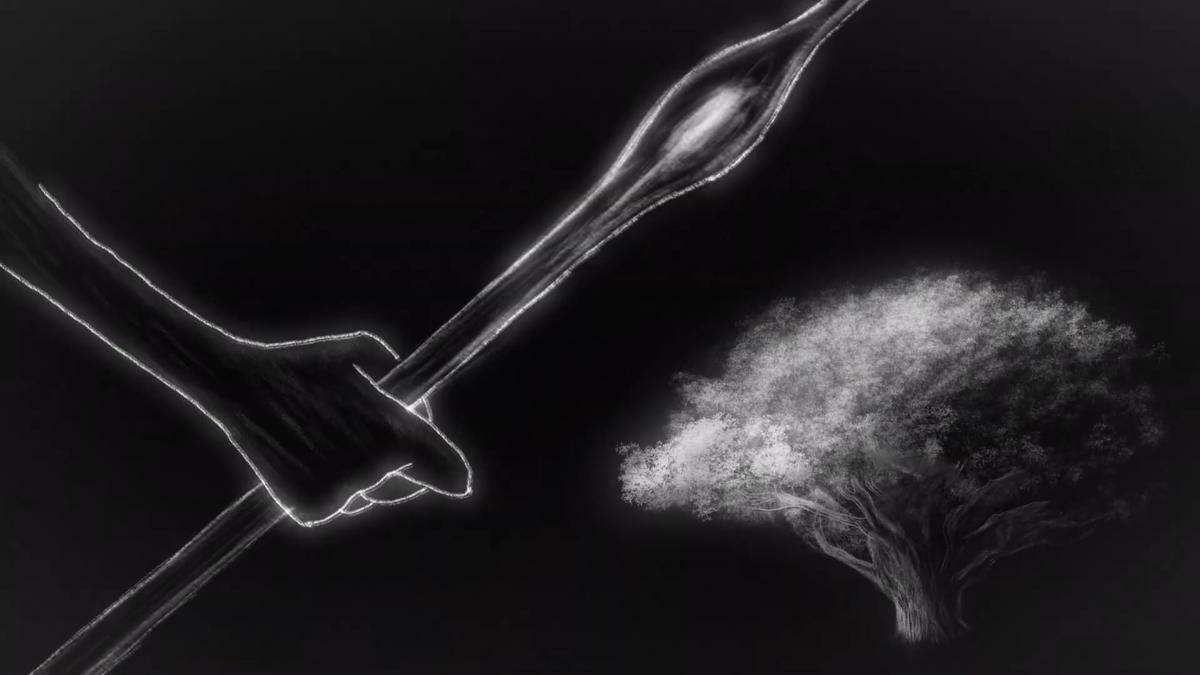
"Museums across the globe have come under scrutiny for their collections of objects from other parts of the world and from Indigenous populations within their territories. Though their presence in these institutions is often justified as a way of preserving culture, these objects are sometimes not even researched and are often kept not on display but in storage, not to mention the questions they raise about how they were acquired in the first place."
"If Objects Could Speak follows their journey from the Linden-Museum in Stuttgart, Germany, to Nairobi and smaller towns in Kenya to uncover the meaning of a Kikuyu artefact - from Kenya's largest ethnic group - taken into the museum in 1903. What they discover not only restores its story but also opens a conversation about how the past can be preserved in ways that honour the communities it belongs to."
Museums worldwide hold objects taken from other regions and Indigenous populations that raise questions about provenance, acquisition, and storage practices. Many such objects are unresearched and remain in storage rather than on display, undermining preservation claims. A specific Kikuyu artefact, removed in 1903 from Kenya to the Linden-Museum in Stuttgart, serves as a case study tracing movements from Stuttgart to Nairobi and smaller Kenyan towns. Research into the artefact recovers its meanings and histories. The rediscovered narrative prompts conversations about preserving the past through practices that respect and honour the originating communities and consider rightful stewardship and restitution.
Read at Aeon
Unable to calculate read time
Collection
[
|
...
]