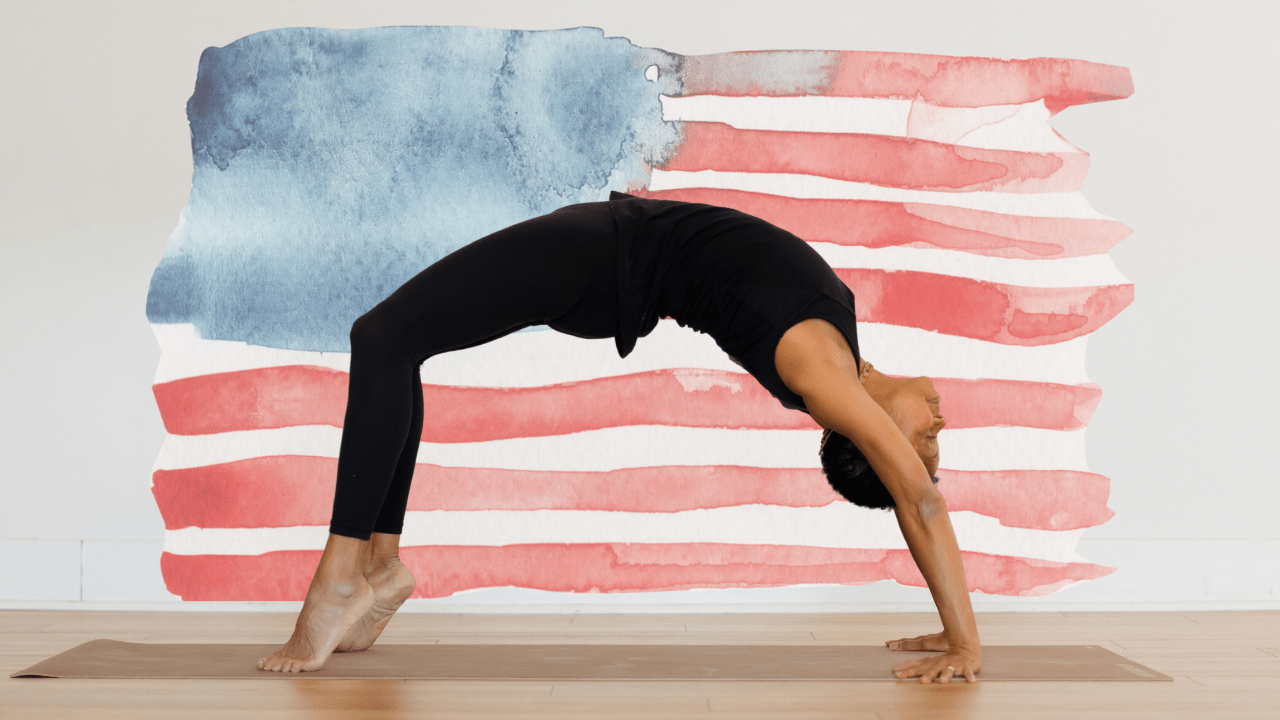
A student at a Youth Detention Center defined a hero as someone who does something for somebody else. The young men distinguished role models—skilled professionals and public figures—from real heroes, saying role models are not true heroes. The group immediately identified Dr. Martin Luther King Jr. as a hero. Yoga's concept of svadhyaya encourages self-study and learning from great lives, promoting insight into how practice can inspire social change. King exemplified yoga principles through nonviolence; his words and actions reflected central yogic values. Ahimsa, the principle of nonviolence, formed a foundation for King's movement against oppression and discrimination.
"For it is in examining the people like Dr. King, that we can see how yoga can not just make us feel calmer and more peaceful, but can really affect change in a world that is in deep need of healing. By his words, and more importantly his actions, Martin Luther King Jr. showed many of the principles that are central to and deeply embedded in yoga philosophy."
"But when it comes to real life, who is a hero? What is a hero? In our discussion, we had talked about many people - mostly sports figures, a singer or two, and each time, the young men would say, "Nah, nah - that ain't it! Those are role models, not heroes, not REAL heroes!" Role models were good and needed, we all agreed. They are good at their jobs and deserve to be celebrated."
Read at YogaRenew
Unable to calculate read time
Collection
[
|
...
]