"The Theory of Communicative Action, his 1980s magnum opus, was not (to put it mildly) as accessible as some of his newspaper opinion pieces. But its central idea—that our nature as linguistic beings puts reason and the search for consensus at the core of who we are—remains an antidote both to intellectual relativism and Trumpian realism, which elevates national or individual self-interest above all other sources of human motivation."
"Habermas's related concept of the public sphere, where rational debate can take place and disagreements be brokered, implied pluralism, civility and inclusion. It envisions a world where no one possesses a monopoly on truth."
"A member of the Hitler Youth as a boy, Habermas then made it his life's work to philosophically ground the democratic values which are now under threat again. A renewed focus on the great insight that drove his thinking would be an appropriate legacy."
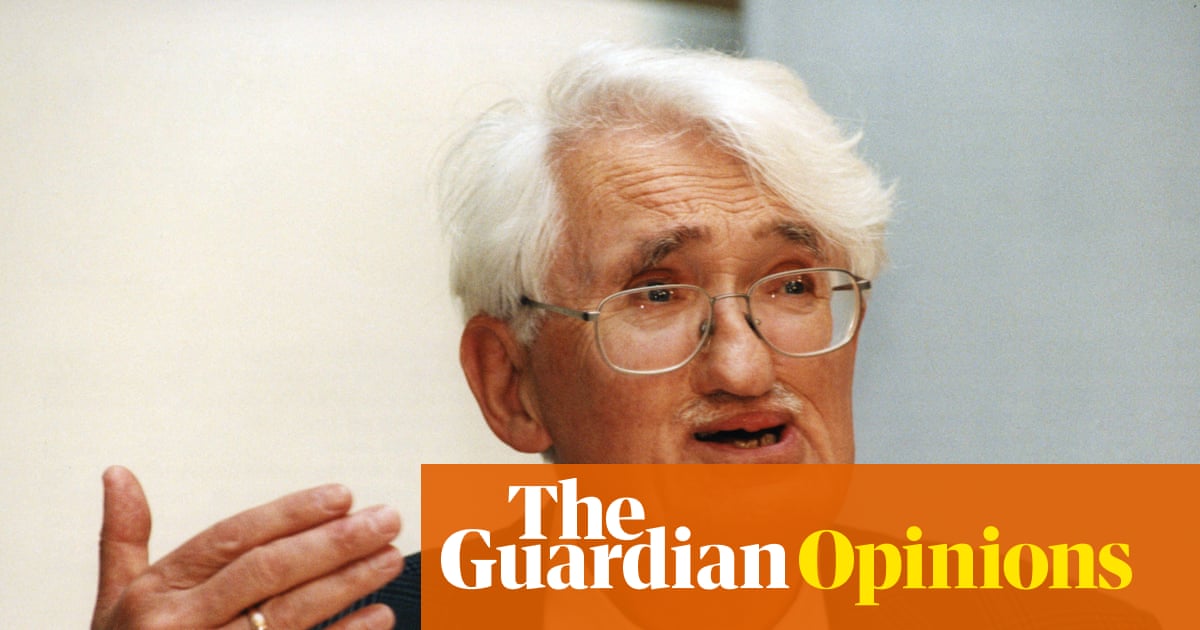
Jurgen Habermas, who died at 96, represented the last of a generation of postwar European intellectuals shaped by World War II. As a former Hitler Youth member, he dedicated his life to philosophically grounding democratic values through his theory of communicative action. His central insight—that human nature as linguistic beings places reason and consensus-seeking at the core of identity—counters both intellectual relativism and power-based politics. Habermas's concept of the public sphere envisions spaces for rational debate, pluralism, and civility where no single entity monopolizes truth. His work remains vital as authoritarianism rises globally and democratic institutions face unprecedented threats.
#democratic-philosophy #communicative-action #public-sphere #postwar-intellectualism #authoritarianism-resistance
Read at www.theguardian.com
Unable to calculate read time
Collection
[
|
...
]