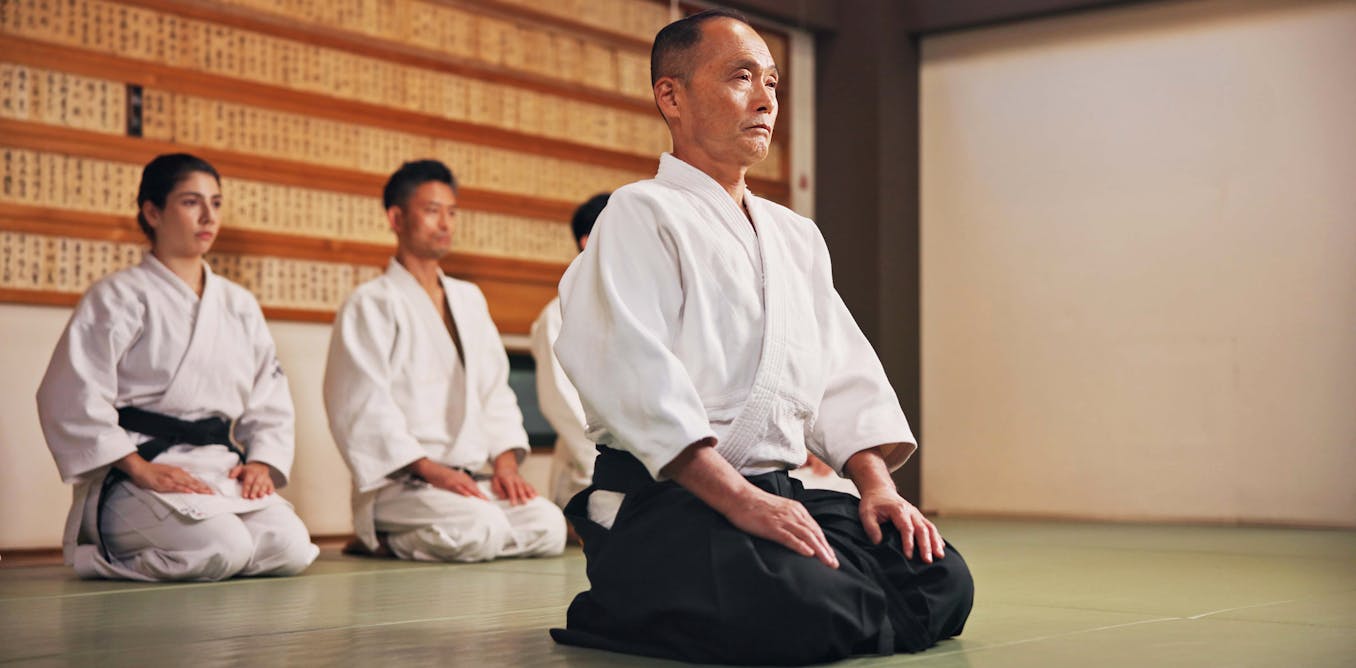
"Debate about these concepts actually traces back for thousands of years. Thinkers have long wrestled with what it means to be a true "warrior," and the proper place of honor and virtue on the road to becoming one. I study the history of political thought, where these debates sometimes play out, but have engaged them in my own martial arts training, too. Beyond aimless brutality or victory, serious practitioners eventually look toward higher principles - even when the desire for glory is powerful."
"Many times, "honor" and "virtue" are almost synonyms. If you acted righteously, you behaved "honorably." If you're moral, you're "honorable." In practice, chasing after honor can prompt not only the best behavior, but the worst. We all long for validation. At its best, that longing can motivate us toward virtue - but it can also lead in the opposite direction."
Current calls to a "warrior ethos" and renewed interest in "warrior culture" reflect ancient debates about what constitutes a true warrior. Thinkers have long disputed the role of honor and virtue in becoming a warrior. Serious martial practitioners move beyond brutality and victory toward higher principles despite desire for glory. Honor and virtue often overlap; acting righteously is honorable, yet seeking honor can produce both exemplary and destructive behavior because of human longing for validation. Aristotle and Yamamoto Tsunetomo offer contrasting treatments of this paradox across Greek and Japanese traditions. In Homeric times excellence in combat, wealth, and status defined goodness, while later philosophers placed justice, prudence, and wisdom at the center of moral excellence.
Read at The Conversation
Unable to calculate read time
Collection
[
|
...
]