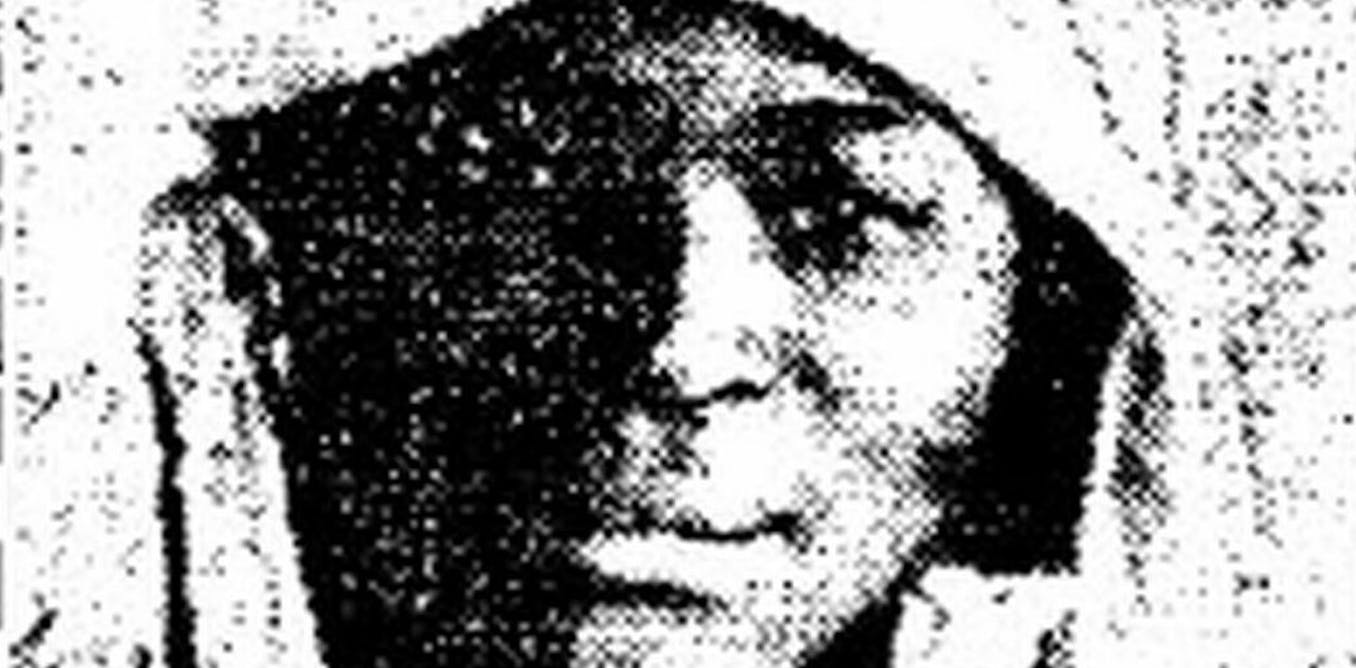
"From November 1909 until August 1912, an unknown assailant - or assailants - zigzagged across southwestern Louisiana and southeastern Texas. Many Black families were slaughtered in their homes under the cover of darkness. An ax - the telltale weapon - was almost always found in the bloody aftermath. All but one of the scenes were located within a mile of the Southern Pacific Railroad's Sunset Route. In each case, a mother and child were always among the victims."
"Dubbed the "axman", the unknown assailant eluded the authorities and terrified local Black communities. Today, when scholars and laypeople alike discuss Clementine Barnabet, they oscillate between two extremes: portraying her as a fear-inducing, cult-leading Black female serial killer, or as an innocent young Black woman caught in circumstances beyond her control. In more than a decade of researching Clementine Barnabet, I've been struck by how print media created overtly sensationalized accounts of the mythology of the axman and, by extension, the axwoman."
From November 1909 to August 1912, an assailant or assailants attacked Black families across southwestern Louisiana and southeastern Texas, frequently killing mothers and children with an ax. Most crime scenes lay within a mile of the Southern Pacific Railroad's Sunset Route, and additional weapons at scenes suggested deliberate cruelty. In April 1912, Clementine Barnabet confessed to murdering four families, and contemporary news coverage presented her as a serial killer. Her confession did not match the timeline of the broader killings, and her guilt remains debated. Print media constructed a religious motive for the violence, sensationalizing mythology around an 'axman' and 'axwoman.' Louisiana's religious landscape included diverse faiths and a large Black Catholic population.
Read at The Conversation
Unable to calculate read time
Collection
[
|
...
]