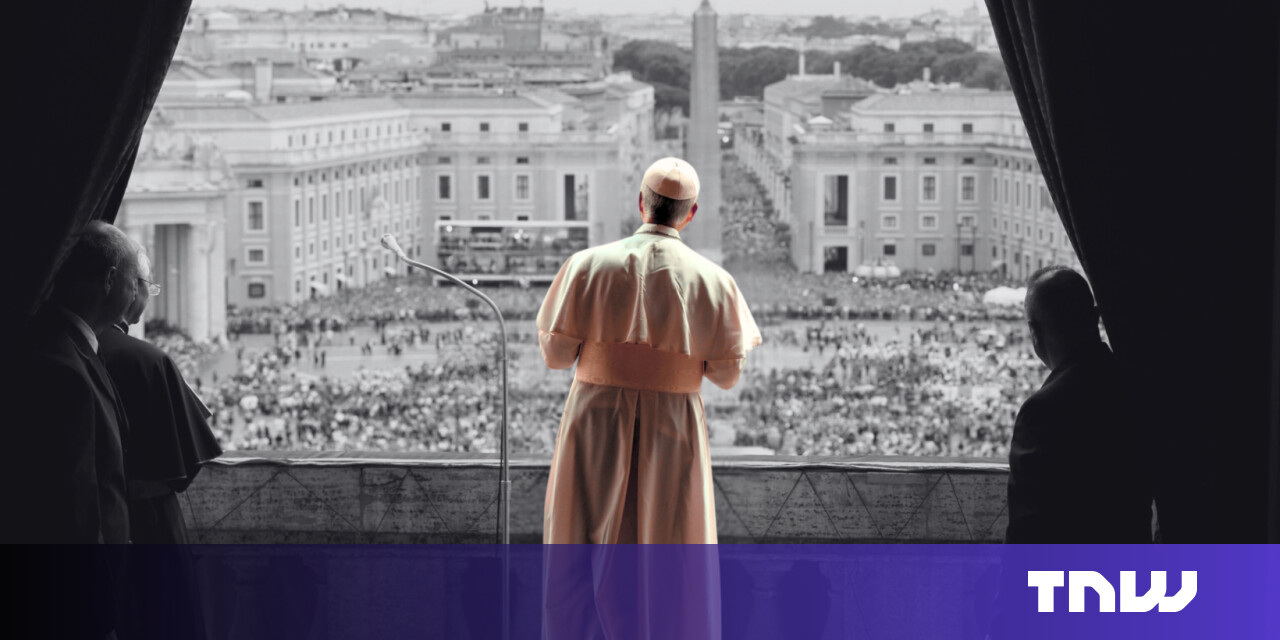
"At the core of the Vatican's position is theological anthropology: AI, the Pope insists, "will never be able to share faith." This is more than a pastoral preference; it is a categorical rejection of the notion that a non-sentient system can participate in the experiential and spiritual transmission of belief."
"Within Catholic theology, faith is not information alone; it is relational, incarnational, and communal. A homily is more than rhetoric. It is an act of presence, someone speaking from their own spiritual journey, their own wrestling with doubt and hope, to a congregation. That dynamic cannot be reduced to pattern prediction and prompt engineering."
Pope Leo XIV issued guidance to priests in the Diocese of Rome prohibiting the use of artificial intelligence to prepare homilies. The Vatican's position rests on theological anthropology, arguing that AI cannot participate in faith transmission because homilies require human spiritual presence and relational connection. Faith is understood as more than information transfer; it involves incarnational and communal dimensions rooted in personal spiritual experience. A homily represents an act of presence where a priest shares their own wrestling with doubt and hope. This dynamic cannot be replicated through pattern prediction and prompt engineering. The Vatican's stance reflects a categorical rejection that non-sentient systems can authentically convey spiritual belief, despite the Church's broader openness to technological advancement.
#artificial-intelligence-and-religion #vatican-technology-policy #theological-anthropology #homilies-and-human-presence #church-and-ai-ethics
Read at TNW | Opinion
Unable to calculate read time
Collection
[
|
...
]