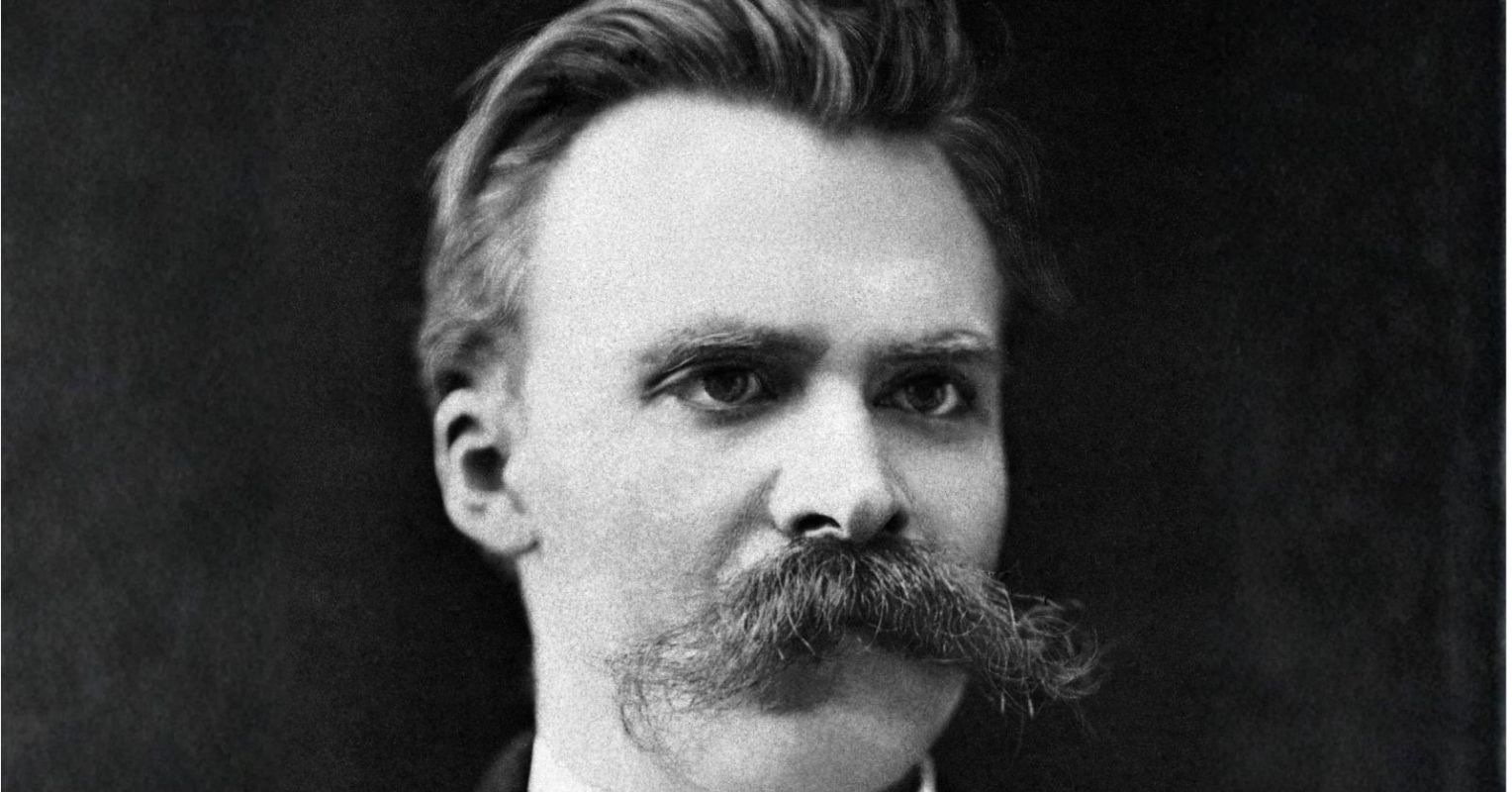
"For Nietzsche, the meaning of the earth is the Übermensch—a higher, self-overcoming type of human. The opposite of the Übermensch is the Last Man, a mediocre creature who choose security over greatness."
"Thus Spoke Zarathustra is written as a stylised, biblical, and poetic narrative about a prophet, Zarathustra, who isolates himself in the mountains with his animals, a snake and an eagle. After ten years of solitude, he comes down to share his wisdom with humanity, in the form of speeches, parables, and aphorisms. When the masses laugh at him, he recruits an elite band of followers."
"On Nov. 5, in Leipzig, Salomé and Rée suddenly vanished from his life, without word or trace. He knew not where, or why. Some days later, when what had happened had sunk in, he confided to his friend Franz Overbeck, "So I really am going into utter solitude." He never saw Salomé or Rée again."
"Naturally, Nietzsche's already fragile health suffered. He began taking heavy doses of chloral hydrate and opium. In mid-December, he sent out letters mentioning overdoses and suicide. On Christmas Day, he wrote to Overbeck: "This last morsel of life was the hardest I have yet had to chew... Unless I discover the alchemical trick of turning this much into gold, I am lost.""
Thus Spoke Zarathustra presents Zarathustra as a prophet who withdraws to the mountains with animals, then returns after ten years to share wisdom with humanity. The work uses speeches, parables, and aphorisms to convey its ideas. When the masses laugh at Zarathustra, he gathers an elite group of followers, while remaining uncertain about the value of having them. Nietzsche frames the meaning of the earth through the Übermensch, a higher human type defined by self-overcoming. The opposite figure is the Last Man, a mediocre creature who prefers security over greatness. The creation of the work followed personal loss and deteriorating health, leading to heavy medication and letters about suicide before the book emerged as a lasting masterpiece.
Read at Psychology Today
Unable to calculate read time
Collection
[
|
...
]