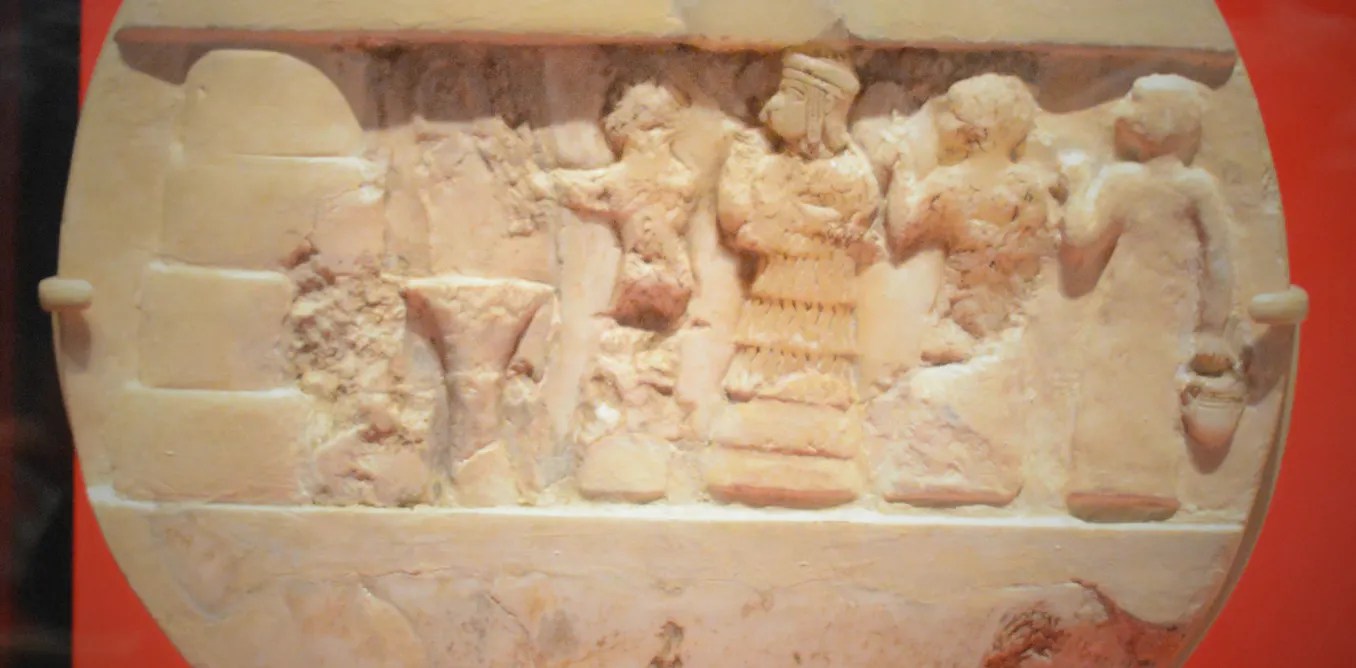
"Many people think of "writing" as putting words on a page. However, even from very early on, writers have seen their craft as something more. From Enheduanna, the first named author on record, to Plato and Aristotle, writing has been portrayed and defined in ways that suggest AI may not be "writing" at all."
"One of her poems, " The Exaltation of Inanna," reveals a sense of what writing is and does - portraying it as a living medium that expresses experience and shapes the future. First, the poem praises the ancient Mesopotamian goddess Inanna, who was associated with fertility and war, among other powers."
"That praise may be strategic. It is followed by Enheduanna's plea to overthrow Lugal-Ane, a rebel king who she describes exiling her and taking her post at the temple of Ur. "Now I have been cast out / To the place of lepers," she writes, describing her suffering. "Day comes, / And the brightness / Is hidden around me.""
"Grieving, Enheduanna writes a new destiny. In a translation by Sophus Helle, the priestess envisions Inanna coming to her aid and "tear[ing] off this fate, Lugale-Ane." And her pleading seems to be successful: The end of the poem depicts Enheduanna restored to her post."
Writing is often treated as placing words on a page, but early portrayals define it as more complex than communication. Enheduanna, an Akkadian princess, priestess, and poet, is celebrated as the earliest known writer, with authorship of her works debated. Her poem “The Exaltation of Inanna” presents writing as a medium that expresses lived experience and helps shape what comes next. The poem moves from strategic praise of Inanna to a plea against a rebel king who exiled her and displaced her role. Through grief and prayer, Enheduanna imagines Inanna tearing away her fate, and the poem ends with her restoration to her position.
Read at The Conversation
Unable to calculate read time
Collection
[
|
...
]