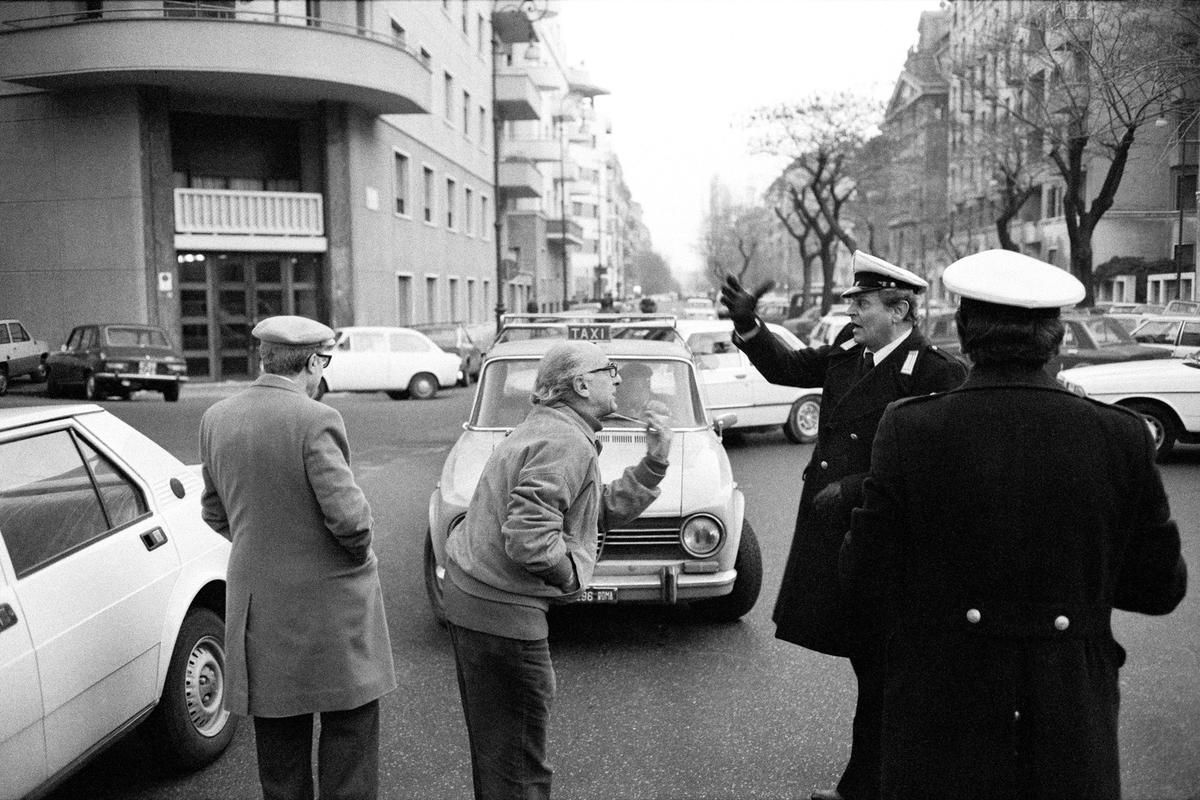
"Every human society, from the smallest village to the largest nation, faces the same fundamental challenge: how to get people to act in the interests of the collective rather than their own. Fishermen must limit their catch so fish stocks don't collapse. People must respect others' property and safety. Citizens must pay taxes to fund roads, schools and hospitals. Left to pure self-interest, no community could endure; the bonds of collective life would quickly unravel."
"The solutions we've devised are remarkably similar across cultures and centuries. We create rules. Then we appoint guardians to enforce them. Those who break the rules are punished. But there's a problem with this approach, one that the Roman poet Juvenal identified nearly 2,000 years ago: Quis custodiet ipsos custodes? Who will guard the guards themselves? Fisheries appoint monitors to prevent overfishing - but what if the monitors accept bribes to look the other way?"
Human societies must motivate individuals to act for collective interests rather than narrow self-interest to avoid resource collapse, insecurity, and failure of public services. Common solutions include rules, appointed enforcers, and sanctions for rule-breakers. A deeper problem arises because enforcers themselves can defect, accept bribes, or divert resources, replicating the cooperation dilemma at the institutional level. Accountability and oversight of monitors, police, and officials are essential because institutions depend on cooperative behavior among their own members. Understanding why cooperation emerges and how enforcement can fail clarifies why institutions sometimes succeed and sometimes collapse.
Read at Aeon
Unable to calculate read time
Collection
[
|
...
]