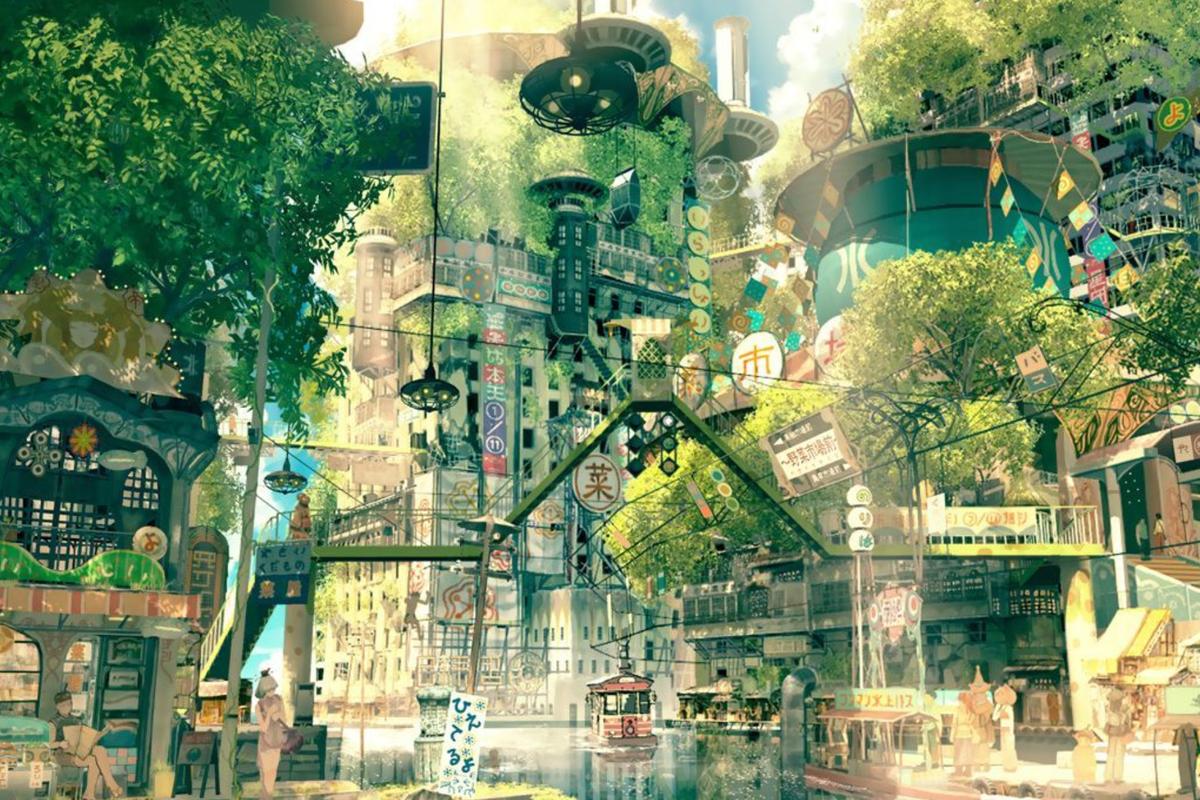
"In Indra's Net of pearls and jewels, every gem reflects every other, a shimmering image of interdependence. This ancient Vedic metaphor for connection across the cosmos also illuminates what the environmental philosopher Glenn Albrecht first proposed in 2014as 'theSymbiocene': the era after the Anthropocene, in which human technologies take their cues from living systems and work in partnership rather than through dominance."
"The term ties technological curiosity to biophilia - our love of life - so that what we make is shaped by the living world we belong to, until the boundary between the built world and nature begins to soften. If the Anthropocene began when the Industrial Revolution set industry against the living world, the Symbiocene imagines what should follow: interspecies democracy, life within Earth's limits, and ecological reciprocity."
Indra's Net imagery frames a Symbiocene in which human technologies take cues from living systems and partner with life rather than dominate it. The Symbiocene links technological curiosity with biophilia so manufactured artifacts become shaped by the living world, blurring boundaries between built environments and nature. It contrasts the Anthropocene's industrial antagonism with ideals of interspecies democracy, ecological reciprocity, and living within Earth's limits. Creation shifts from engineering nature for human comfort toward conversation, listening, and humility. Solarpunk offers a cultural pathway by reimagining technologies to coax life, combining ecological and biological principles with renewable, sun-centered energy and pragmatic anti-modernity critique.
Read at Aeon
Unable to calculate read time
Collection
[
|
...
]