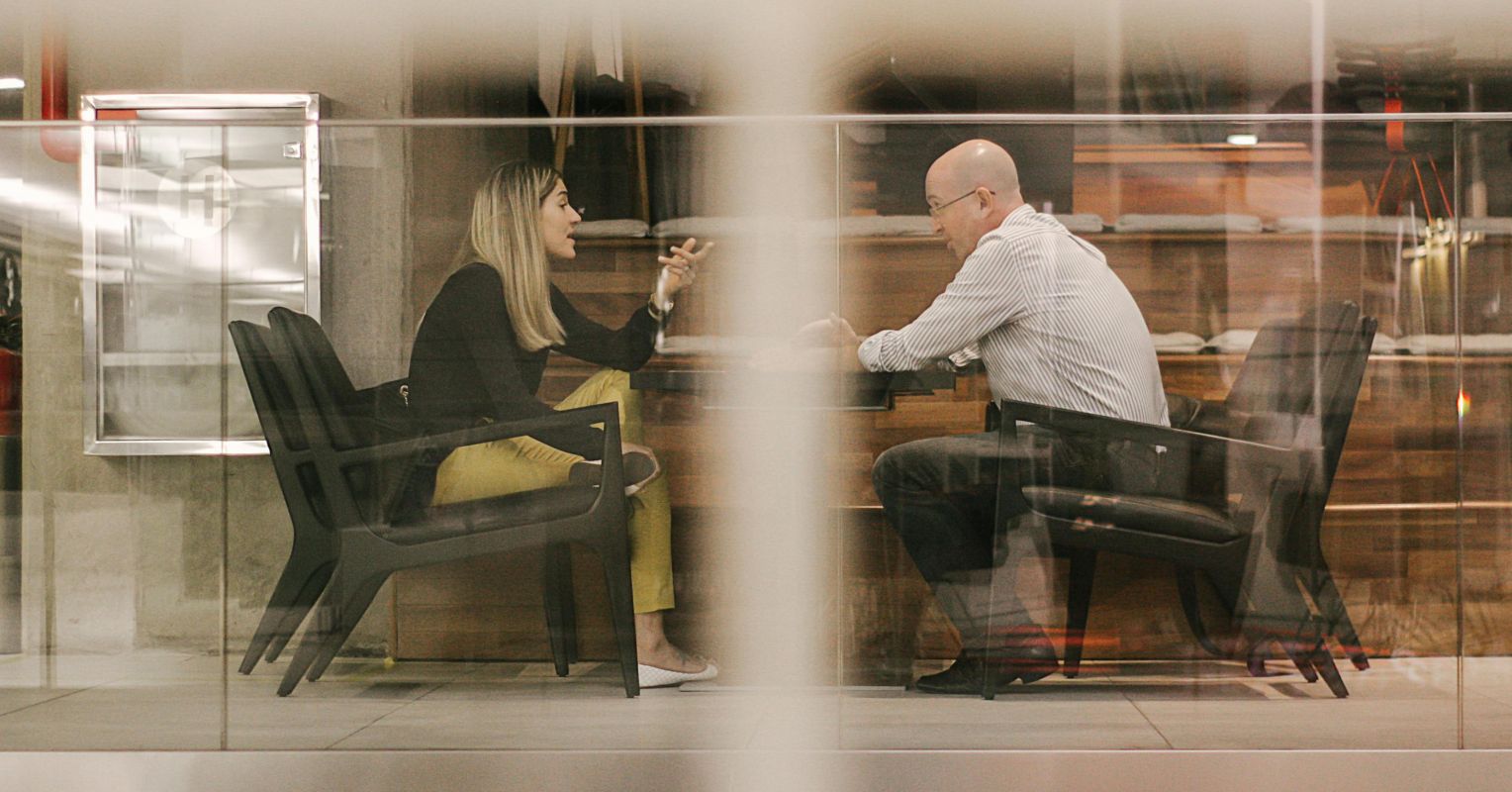
"When we make a sustained effort to regard our opponents with dignity and respect, when we listen to their personal stories and tell them our own, and when we make a conscious effort to see and feel about the world the way they do, we have taken several steps away from unproductive argument toward a new form of discussion. We have begun a dialogue."
"In a debate, we assume that there is a right answer (and I have it). In a dialogue, we assume that many people have pieces of the answer and that together we are more likely to find a solution. Debates consist primarily of an "exchange of adversarial positions." Dialogue is about reexamining all positions and exploring common ground. In a dialogue, we acknowledge that someone else's thinking may improve our own."
Dialogue goes beyond civil exchange and constitutes a qualitatively different conversation focused on learning rather than winning. When participants regard opponents with dignity and respect, listen to personal stories, share their own, and attempt to see and feel the world as others do, conversation shifts away from unproductive argument toward genuine dialogue. Dialogue is not negotiation or problem solving, although it can lead to solutions. Each person in a dialogue seeks to learn why others think and feel as they do. Debate assumes a single right answer and aims to win; dialogue assumes multiple people hold pieces of the answer and seeks common ground and new options.
Read at Psychology Today
Unable to calculate read time
Collection
[
|
...
]