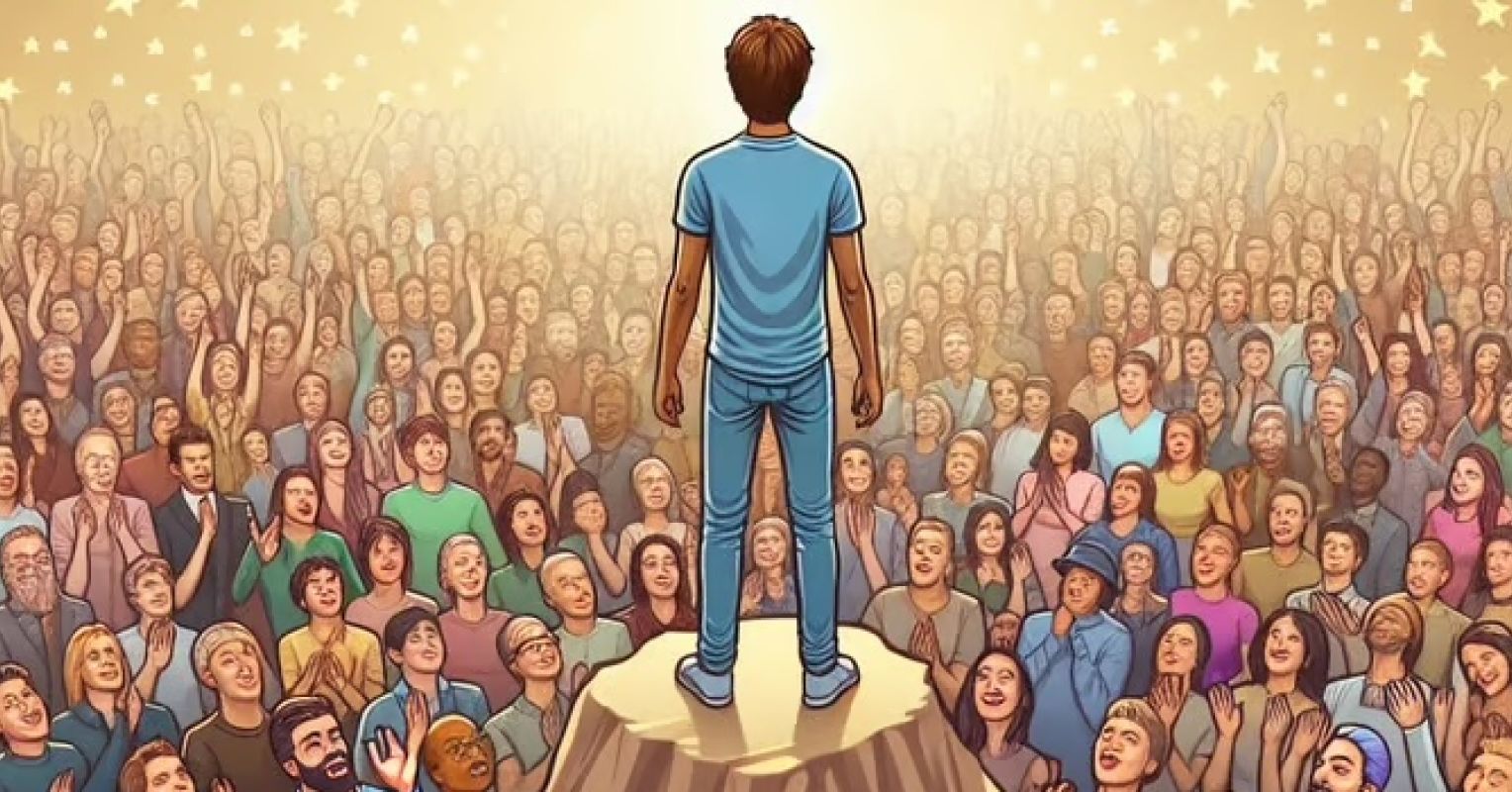
Heroism arises where genuine courageous action meets human perception and interpretation. People perform objectively risky, sacrificial acts—rescuers entering danger, whistleblowers exposing corruption, and ordinary individuals changing lives through extraordinary behavior. Perception shapes which acts are noticed, how intentions and character are inferred, and who is publicly recognized. Social, cultural, and media narratives influence visibility, selection, and the meanings attached to actions without negating their factual occurrence. Psychological tendencies toward storytelling, attention to movement and emotion, and mechanisms of social selection determine who gains heroic status. The combined facts of action and the minds that interpret them produce the power and social effects of heroism.
"Are heroes real, or are they simply stories we tell ourselves? Either heroes are objectively real-brave people who perform extraordinary acts of courage and sacrifice-or heroism is merely in our heads, a social construction shaped by culture, media, and wishful thinking. This debate shows up everywhere: in classrooms, in popular culture, and even among scholars who study heroism for a living."
"Heroism is both real and constructed, and its power comes precisely from the way these two dimensions intertwine. On the objective side, heroism is undeniable. People do step forward in moments of danger. They protect others, speak out against injustice, take personal risks, and make sacrifices that genuinely matter. Firefighters run into burning buildings. Whistleblowers expose corruption. Ordinary people perform extraordinary acts that change lives. To deny the reality of these actions would be absurd-and insulting."
Read at Psychology Today
Unable to calculate read time
Collection
[
|
...
]