"When African nations such as Nigeria, Ghana, Senegal and Cameroon claimed independence in the mid-20th century, they inherited more than borders and fragile institutions; they also inherited a political philosophy. Liberalism, born of Europe's Enlightenment, was presented as the universal grammar of progress. It came clothed in the language of democracy, development and human rights, promising that multiparty elections, private property, free markets and individual rights would secure for Africa a swift entry into modernity."
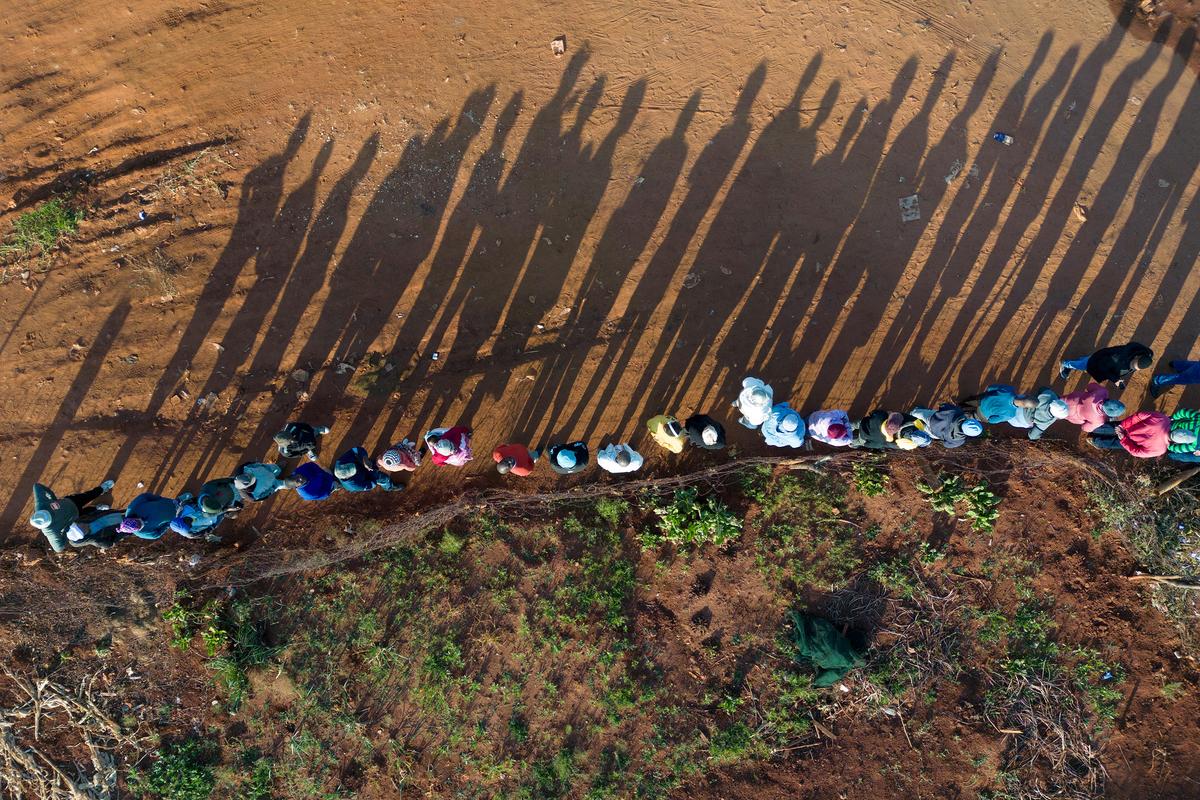
"Yet, decades later, the record is sobering. Across much of Africa, democracy often feels like a ceremony without substance - citizens queue under the sun to vote, only for results to be decided in hotel rooms or courtrooms. Nigeria's 2019 and 2023 elections, Kenya's post-election violence of 2007, and Zimbabwe's recurring electoral crises illustrate how manipulation and ethnic mobilisation routinely subvert the people's will."
"Economic liberalisation, hailed as a gateway to growth, frequently delivered hardship instead: Nigeria's 1986 Structural Adjustment Programme brought mass retrenchments and inflation; Ghana's 'economic recovery' deepened inequality; and Zambia's privatisations eroded local industries. Meanwhile, sovereignty itself bends under the weight of conditional loans from the International Monetary Fund (IMF) and the World Bank, and the subtle dictates of global NGOs that shape domestic policy in the name of aid."
Post-independence African states inherited liberalism as a model promising democracy, markets, private property and individual rights as routes to modernity. Over decades, electoral processes frequently became ceremonial, with manipulation, ethnic mobilisation and contested results undermining popular will. Market reforms and privatisations often inflicted economic pain, increased inequality and eroded local industries. Sovereignty proved constrained by conditional lending from the IMF and World Bank and by donor and NGO influence on domestic policy. Citizens’ formal freedoms frequently coexist with dependence and elite capture. The liberal model therefore shows deep misalignments with many African communal traditions and socioeconomic realities.
Read at Aeon
Unable to calculate read time
Collection
[
|
...
]