Social media features debate-style videos built around clip-worthy gotcha questions, one-line zingers, and screaming matches edited for virality. These exchanges differ sharply from earlier American debate traditions that treated debate as a primary tool for legislative deliberation. Even the famous Lincoln-Douglas debates drew large crowds and included insults, but they still allowed respectful communication. Americans remain deeply divided, yet today’s wars of words appear designed to intensify polarization rather than change minds. Debate is presented as a broken method for informing, exploring ideas, and persuading an audience. Persuasion can occur through other processes that require understanding, perspective-taking, and collaboration, with people choosing communication over competition. Political scientist Lilliana Mason links increased combative politics to political affiliation becoming central to personal identity.
"Spend time on social media and you will see debates with titles like "I destroy MAGA mom on vaccines" or "Conservative philosopher owns feminist student." These popular videos focus on clip-worthy gotcha questions, one-line zingers and screaming matches edited for virality."
"These "debates" would be unrecognizable to the Founding Fathers, who enshrined debate as a primary tool of legislative deliberation. Even the passionate exchanges of Abraham Lincoln and Stephen Douglas, whose 1858 " great debates" about slavery drew crowds of thousands, are tame compared with today's vitriolic exchanges. While Lincoln and Douglas exchanged insults, played to the crowd and took a few logical leaps, they could still communicate respectfully."
"Debate is broken as a tool to inform, explore ideas and persuade an audience. It's time to find another way. That's a difficult conclusion for me. As a communications professor, I believe presenting an argument, listening thoughtfully to the response and responding with a rebuttal is excellent critical thinking and public speaking practice. However, when I assign a shortened Lincoln-Douglas structure, many students ask when they get to "really" debate - meaning the ruthless online back and forth."
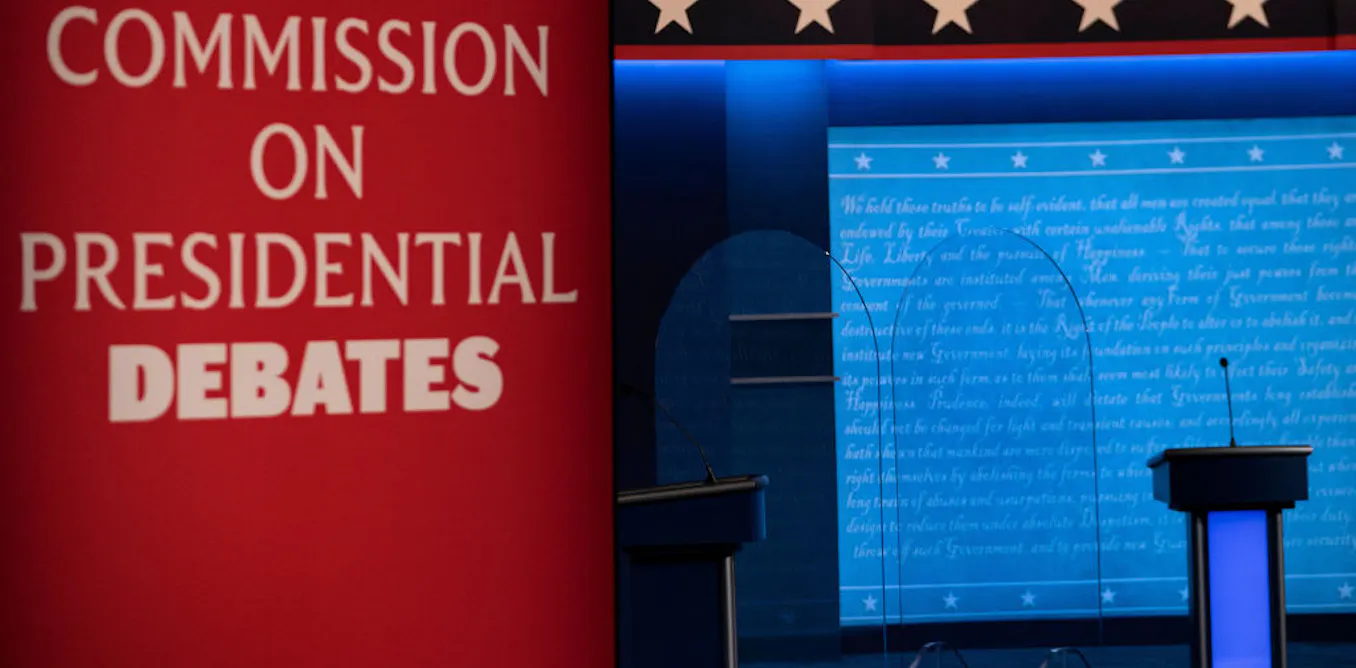
"Research says that persuasion is possible in other ways. But the process requires understanding, perspective-taking and collaboration. People must choose communication, not competition. How did even presidential debates become so combative, so filled with personal insults, that moderators have to mute microphones to stop constant interruptions? Political scientist Lilliana Mason says a major factor is that political affiliation has become central to Americans' personal identity."
#political-polarization #online-discourse #persuasion-and-communication #debate-and-deliberation #identity-and-partisanship
Read at The Conversation
Unable to calculate read time
Collection
[
|
...
]