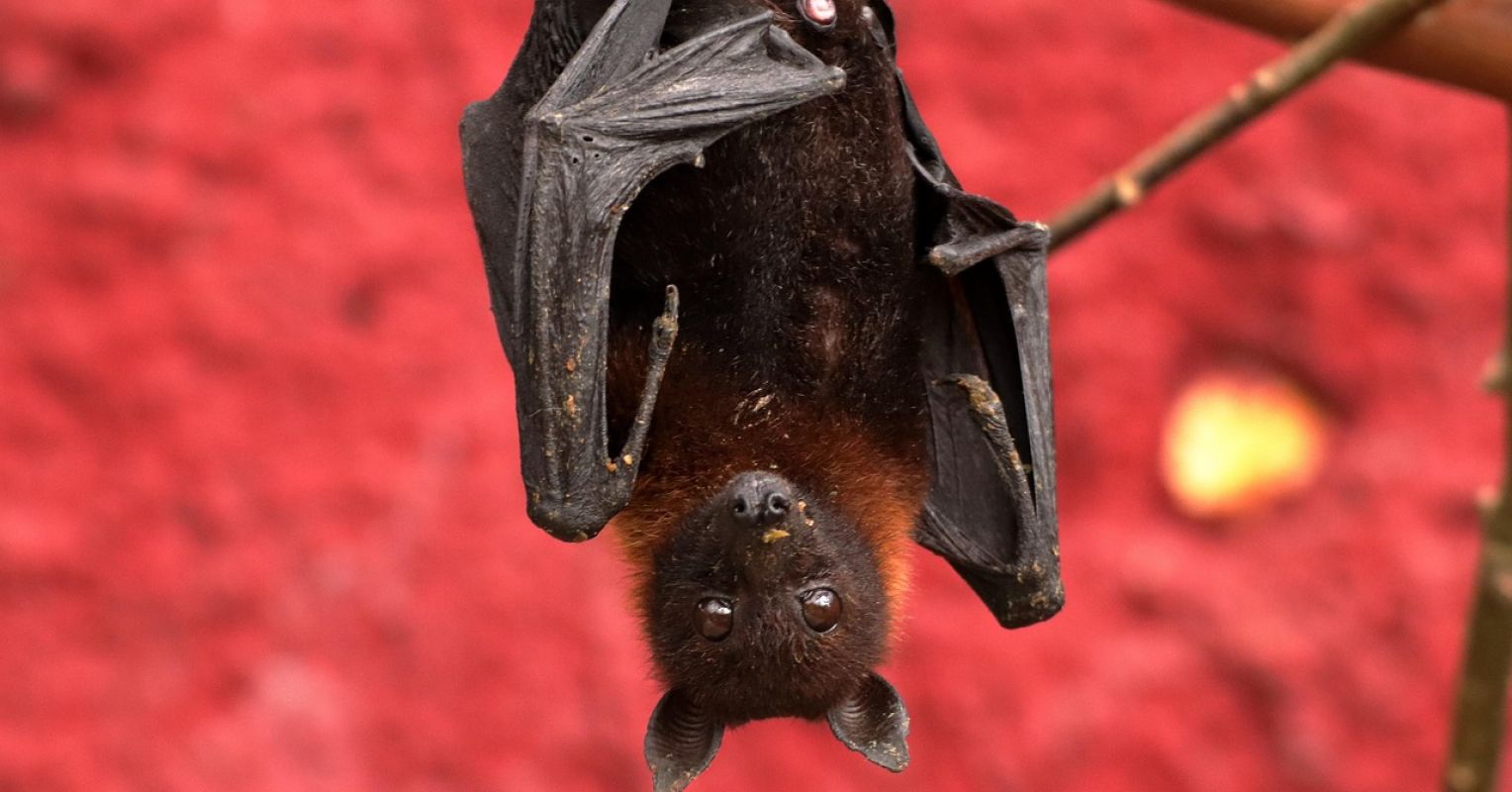
The term umwelt names the world as an organism perceives it, determined entirely by its sensory equipment. Different species experience distinct realities: bats rely on echo, dogs on scent, ticks on a single chemical cue. Organisms cannot perceive what their senses do not permit, due to biological limitation rather than will. Humans possess an umwelt as well; sensory limits prevent perception of ultraviolet patterns or magnetic fields. Human perception is further shaped by geography, wealth, education, trauma, culture, language, history, and luck. Consequently, two people can occupy the same physical space yet inhabit fundamentally different experiential worlds.
"The word umwelt comes from biology, coined by ethologists studying animals in their natural habitats. It refers to the world as an organism can perceive it, based entirely on its sensory equipment. A bat's umwelt is built from echo. A dog's from scent. A tick's world is dominated by a single chemical cue that tells it when to drop from a branch onto a passing mammal."
"The crucial point is this. An organism cannot perceive what its senses do not allow it to perceive. Not because it is lazy or stubborn, but because it is biologically incapable of doing so. Once you hear this, it is hard not to apply it to humans. Biologically, humans have an umwelt too. Our senses are limited. We cannot see ultraviolet patterns on flowers like bees. We do not feel magnetic fields like migratory birds."
Read at Psychology Today
Unable to calculate read time
Collection
[
|
...
]