"For years, historians, educators and Jewish groups have been considering how to teach about the Holocaust after the survivors have passed on. Few of today's college students have ever met a Holocaust survivor. Those who have likely met a child survivor, with few personal memories before 1945. American veterans of the war are almost entirely unknown to our present students; many know nothing of their own family connections to World War II."
"Time marches on, distance grows, and what we call "common knowledge" changes. One alarming study from 2018 revealed that 45% of American adults could not identify a single one of the over 40,000 Nazi camps and ghettos, while 41% of younger Americans believe that Nazi Germany killed substantially less than 6 million Jews during the Holocaust. According to a 2025 study by the Claims Conference, there are somewhat more than 200,000 survivors still alive, though their median age is 87."
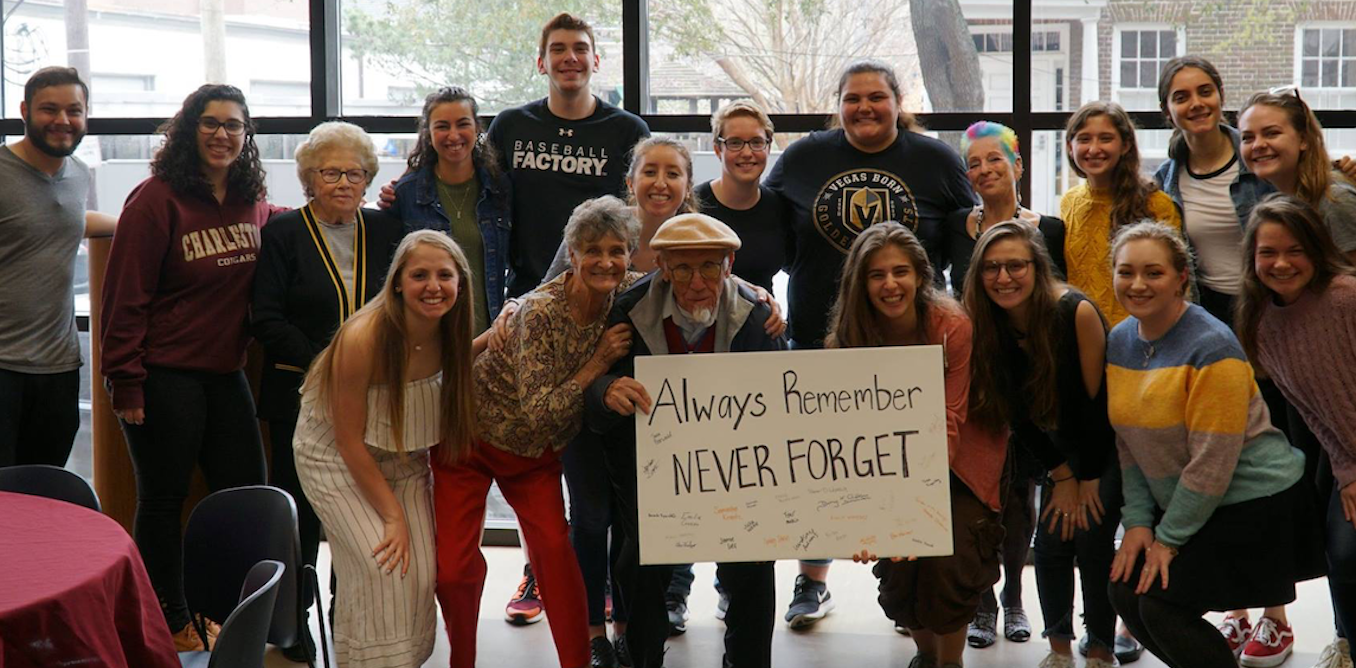
Joe Engel was born in Zakroczym, Poland, survived Auschwitz and other concentration camps, fought with the resistance, and arrived in the United States as a refugee in 1949. After retiring from his dry-cleaning business, he dedicated his later years to Holocaust education, sitting on downtown park benches with a name tag reading "Joe Engel, Holocaust Survivor: Ask me questions" and helping install a permanent memorial with fellow survivor Pincus Kolender in Marion Square. Engel died at age 95. Rising survivor mortality and generational distance have left many young Americans without direct contact with survivors, and surveys show alarming gaps in Holocaust knowledge. A 2025 study estimates just over 200,000 survivors remain, with a median age of 87.
Read at The Conversation
Unable to calculate read time
Collection
[
|
...
]