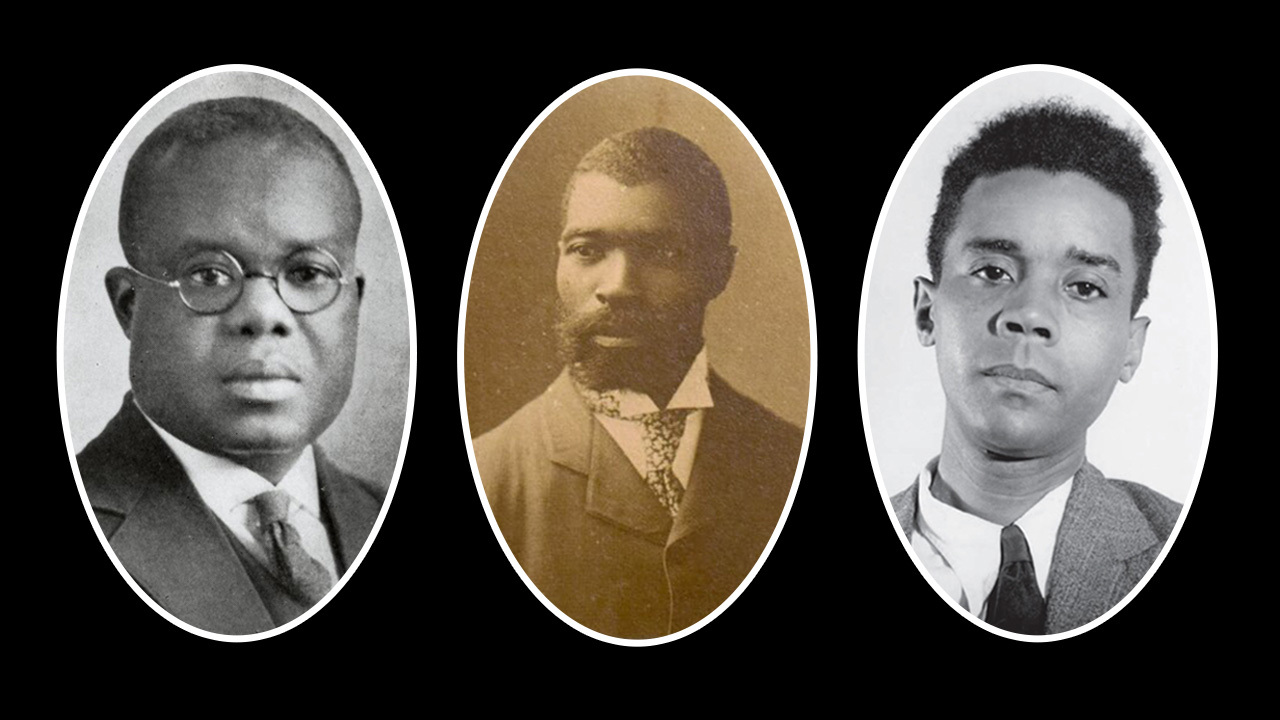
"Given the field of philosophy's paucity of Black or African American philosophers, it is still something of an oxymoron to be a Black or African American philosopher. It is still possible to get second looks when saying, "Oh, I'm a philosopher." Being a Black or African American philosopher doesn't compute within a culture, and within academic settings, where images and discussions of Socrates and Plato or René Descartes and Jean-Paul Sartre dominate what philosophy looks and sounds like."
"There is serious work that still needs to be done toward the construction of African American philosophy and primary research within the field. The work is out there - but it requires far more, as it were, archeological study. Many celebrate the history of Black Studies and the canonical figures within it, but have little sense of the existence and powerful work of African American philosophers - which is not to say that these areas are mutually exclusive."
Philosophy remains overwhelmingly white (81 percent), rendering Black or African American philosophers atypical and often met with surprise. Academic imagery and curricula rooted in figures like Socrates, Plato, Descartes, and Sartre shape expectations of philosophical identity and voice. Philosophical inquiry has increasingly addressed racial embodiment, anti-Blackness, and the structure of whiteness. Historical milestones include Thomas N. Baker as the first Black man to earn a Ph.D. in philosophy from Yale in 1903 and Joyce M. Cook as the first Black woman to earn a Ph.D. in philosophy from Yale in 1965. Significant archival and primary research is still required to construct and recover African American philosophical contributions.
Read at Truthout
Unable to calculate read time
Collection
[
|
...
]